






















Prepare Your Van for Autumn Roads

Autumn Tire Check: 6-Step Guide for Vans
A complete autumn tire check guarantees optimal grip and the visibility needed on demanding commercial routes. This practical protocol provides exact steps for measuring the tread profile, calibrating pressure affected by temperature drops, and reviewing windshield blades after the thermal degradation suffered during summer.
How to perform an efficient autumn tire check?
An efficient autumn tire check involves measuring the tread depth, identifying asymmetries caused by warm-season loads, and noting the positions of each wheel before rotation or storage. The minimum legal threshold allowed for vehicles in categories M1 and N1 is 1.6 mm on the main grooves, in accordance with the requirements established by Council Directive 89/459/EEC. Executing this technical inspection involves going through four concrete stages:
Measuring profile depth on the central grooves. The tread depth is determined across three-quarters of the tread width. A tire worn down to the critical threshold of 1.6 mm generates a braking distance on wet roads over 26 meters longer compared to a new 8 mm profile, endangering traffic safety.
Inspecting cross channels and support shoulders. The surface of each tire is checked to detect asymmetrical wear that appeared after summer runs with high loads. This check eliminates the risk of keeping deformed tires in operation or tires unevenly worn on the flanks.
Noting areas with degradation and the mounting position. Using a resistant tool, such as a special tire marker, allows quick recording of the axle position directly on the flank, as well as highlighting local cuts. Clear marking ensures precise technical wheel rotation or correct selection for vulcanization.
Checking the general integrity of the casing. The tread is inspected to detect any foreign bodies trapped in the rubber blocks. This final stage confirms whether the tire can continue commercial operation or if immediate replacement is required before the first torrential rains.
Adjust cold pressure: compensate for the temperature drop
Measuring and correcting tire pressure when cold compensates for the thermal contraction of the air and prevents premature degradation of the wheel's strength structure. Pressure naturally drops by 1 to 2 psi for every temperature drop of approximately 5.6 degrees Celsius in the ambient environment with the arrival of autumn. A complete autumn tire check procedure requires using a calibrated pressure gauge before putting the vehicle in motion, when the tires have not accumulated heat through rolling. Calibration stages for vans take place in a strict technical sequence:
Park the vehicle on a flat surface, leaving the wheels at rest for at least three hours after the last run to completely cool the air inside.
Compare the read values with the technical specifications written on the door pillar or the fuel flap, adjusted for the maximum authorized mass.
Connect a dedicated compressor or high-precision pump to the valve cleaned of impurities and introduce air until reaching the nominal value.
Firmly screw on the protective caps to prevent water and abrasive particles from entering the valve mechanism.
Underinflation by 0.4 bar or more affects over 40% of light commercial vehicles in operation and represents the primary source of structural failure through casing overheating.
This meticulous adjustment keeps fuel consumption within normal limits and protects the tire flanks against plastic deformations when transporting heavy goods. For commercial fleets and drivers covering long distances, maintaining optimal tread rigidity reduces the risk of blowouts on the loaded rear axle and stabilizes the van's trajectory in corners or during hard braking. The Cridem catalog includes a varied range of accessories.
Inspect the tread: locate hidden punctures
Locating hidden punctures and foreign bodies in the tread requires a complete manual and visual inspection before seasonal temperatures drop. A rigorous autumn tire check procedure prevents slow pressure losses caused by debris accumulated on the road during long runs in the warm season. The following checklist structures the practical steps for assessing the condition of each wheel:
Positioning the van on a lift or over an inspection pit, ensuring free rotation of each wheel for the inspection of the entire tread circumference.
Removing trapped stones, metal chips, and glass fragments stuck in the main channels using pliers or a wide screwdriver, checking if the groove base has been pierced.
Checking tightness by applying a soapy water solution over suspicious small punctures, monitoring the appearance of air bubbles that indicate pressure loss.
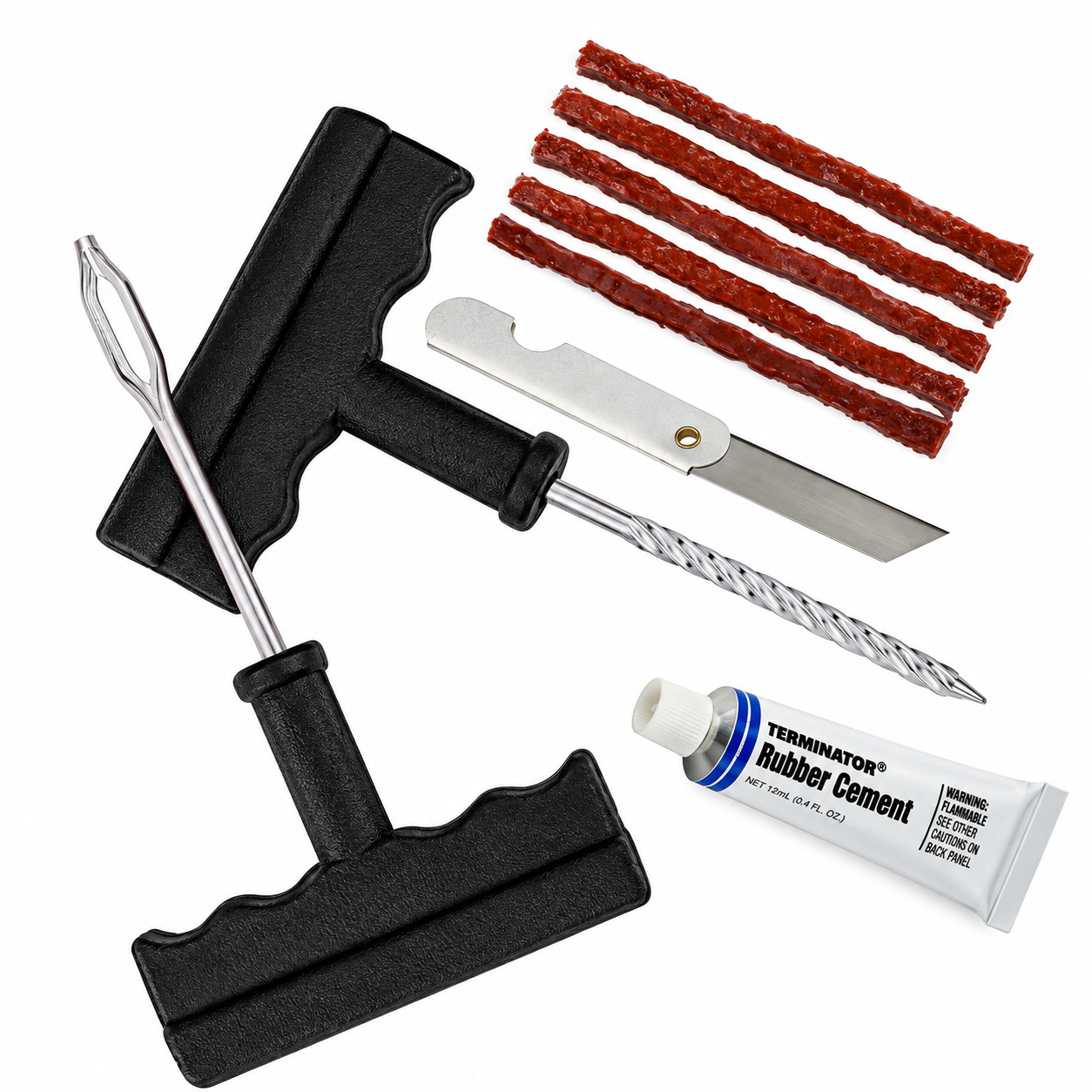
Remediating point defects in the tread area using a universally applicable Tire repair kit, an efficient solution for quick cord sealing without removing the tire from the rim.
Detailed examination of the outer and inner flanks to detect any cuts, deep cracks, or bulges caused by contact with curbs.
Immediate decommissioning of the tire if deformations or structural tears appear on the sidewalls, critical situations where an emergency kit is not an allowed solution.
The check is complete when all four tires plus the spare wheel have intact flanks, foreign bodies removed from the grooves, and stabilized pressure without noticeable losses.
Replace aged windshield blades: regain a clear field of view
Replacing worn blades restores windshield clarity and prevents incidents caused by reduced visibility during autumn rains. Before installation, a clean cloth, glass degreasing solution, and a set of wiper blades compatible with the utility vehicle arms are required.
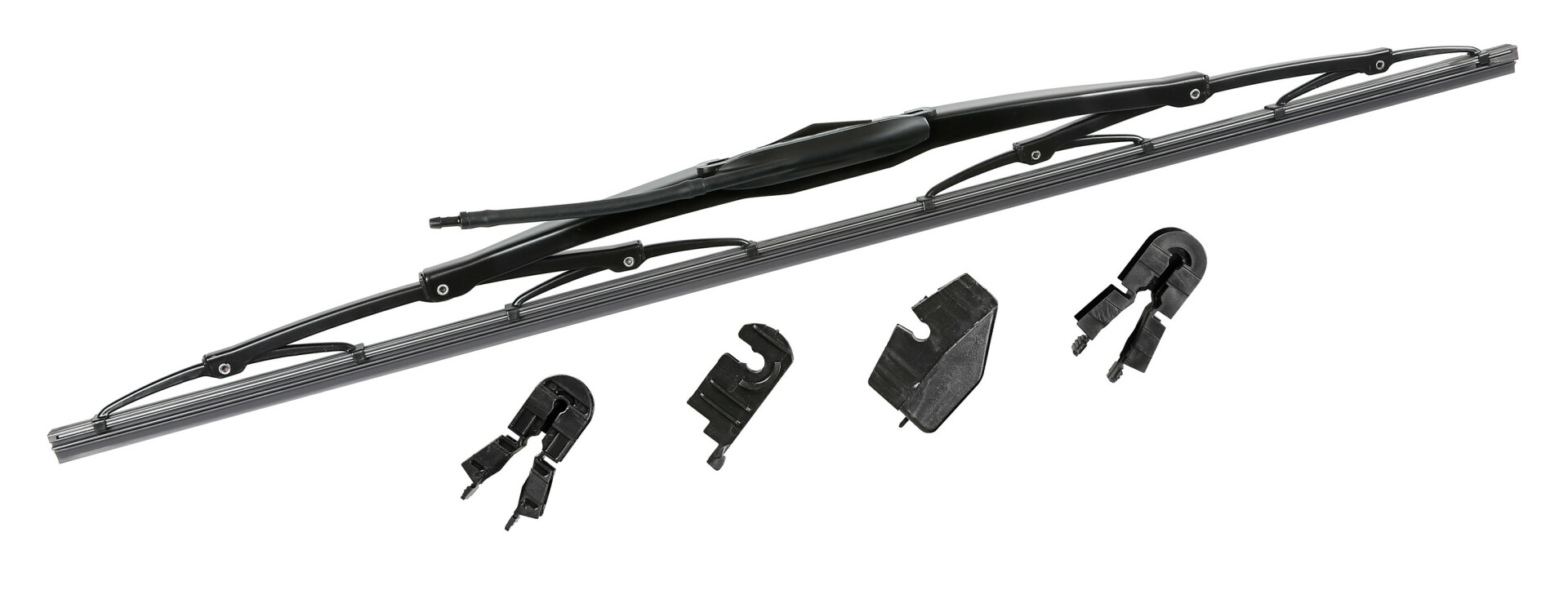
Extreme heat in the summer season degrades the rubber edge of the wipers, generating streaks, vibrations, and un-swept areas on the glass. A visibility inspection for light commercial vehicles of up to 4,500 kg maximum authorized mass is critical before the first cold rains, just like the autumn tire check procedure after intensive summer mileage.
Lift the metal arm from the windshield and unlock the old adapter clip by pressing the safety tab. The result is the release of the aged component without tensioning the pressure spring.
Degrease the glazed surface with a microfiber cloth and dedicated cleaning solution. Thus, you achieve the complete removal of traffic deposits and abrasive dust that destroy the new rubber lip.
Select the appropriate part for the windshield dimensions, mounting a set of compatible wipers with a graphite layer or a metal frame variant, fixing the corresponding adapter into the arm hook until the mechanical click. The result is a firm connection, without structural play at cruising speeds.
Lower the arms onto the glass and activate the windshield washer fluid pump for a dynamic test over three complete cycles. Observe the dispersion of the jet emitted by the nozzles and silent sweeping, confirming the uniform seating of the graphite-coated blade across the entire windshield curve.
The glass surface remains completely clean, without residual streaks, prepared for heavy rain driving conditions.
Treat glazed surfaces: prevent morning thermal shock
Preparing glazed surfaces prevents micro-cracks from turning into irreversible breaks when sudden temperature differences stress the windshield. On long runs in the warm season, road grit thrown up frequently produces small surface chips. With the arrival of cold mornings, sudden thermal contractions created between the frozen outside air and the heating inside the cabin extend these impact points across the entire width of the laminated glass. A visibility inspection for commercial vehicles must include the following concrete intervention steps:
Identifying and stabilizing impact points: the early application of a special kit for repairing windshields helps fix minor cracks and prevents their extension before negative temperatures cause major mechanical stresses.
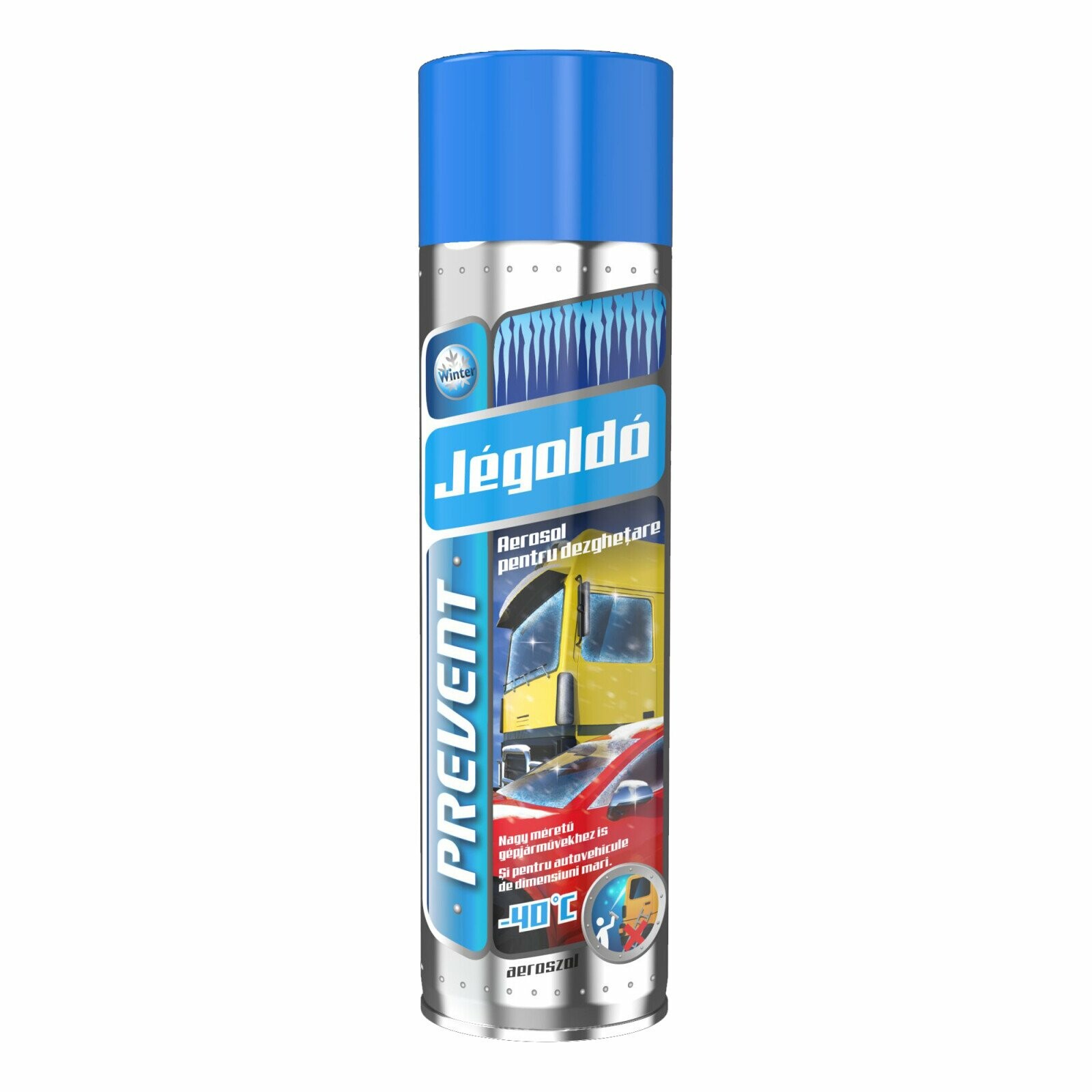
Controlled chemical de-icing: eliminating the layer of ice without the risk of scratching the glass with hard plastic scrapers is achieved by applying a specialized formula, such as Prevent windscreen de icer spray, truck, bus -40°C - 600ml, which quickly dissolves deposits and prevents thermal shocks caused by the cabin heater set to maximum temperature.
Thorough degreasing of the interior windshield: removing the oily film formed by climate system vapors and dust reduces the blinding phenomenon generated by the low autumn sun angle and diminishes moisture retention that causes persistent fogging.
Alongside an autumn tire check correlated with decreasing grip on wet roads, meticulous window treatment keeps the field of view clear and prevents unexpected fleet downtime due to extensive cracks. The cleaned and chemically protected windshield supports driving visibility and reduces the risk of premature wiper blade degradation.
Organize summer set storage: preserve the rubber compound
Proper storage of summer tires immediately after removal preserves the elasticity of the rubber compound and eliminates the risk of ovalization of the radial structure or rim deformation. A rigorous autumn tire check procedure includes complete preparation of the wheels removed from service before placing them in the technical space:
Thoroughly wash the tread and rims with water and neutral detergent to remove brake dust, salt, and bitumen residues accumulated during summer runs.
Remove stones trapped in the main grooves to avoid point deformations of the casing during the months of rest.
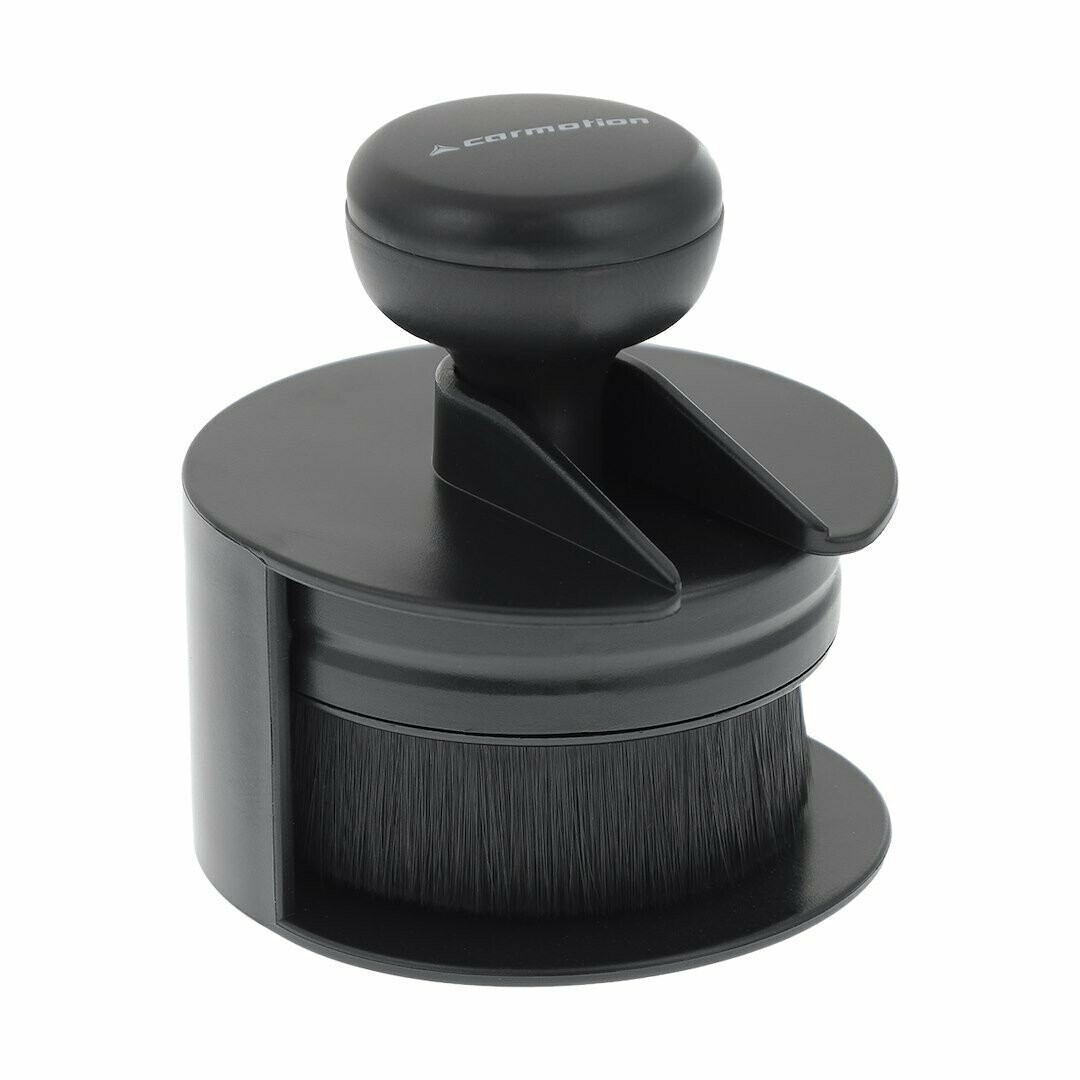
Apply an uniform layer of protective treatment to the outer flanks using an Tire Solution Applicator with Handle, distributed by Cridem, preventing premature drying and micro-cracks in the compound.
Install Set of 2 foldable tyre and rim wall-mounted hangers or mount the compact variant Set of 4 wall-mounted wheel hangers to suspend each wheel individually at height, avoiding direct contact with the cold floor.

Choose a completely dry summer wheel storage area, naturally ventilated, protected from direct exposure to ultraviolet radiation and free from contact with hydrocarbons, oils, or chemical solvents.
The process is finalized when all wheels are suspended individually on metal wall brackets, with flanks completely dry and protected against chemical and thermal degradation factors.
Finalizing the inspection and optimal road condition
For commercial fleet managers focused on continuous runs, pressure monitoring equipment and dedicated storage sets remain a priority, while independent drivers can start directly with replacing worn blades and treated glazed surfaces. Before placing an order, check the exact dimensions of the wiper arms and load ratings specific to the van in your vehicle registration certificate.
Integrate this autumn tire check into your vehicle's technical routine and add the necessary products to your cart directly from our online store. For large orders or workshop setups, access a client account in the B2B portal or contact our team in Oradea for free technical consultancy, ensuring part compatibility before delivery.
FAQ
What criterion establishes the critical moment for replacing a van tire?
The decisive technical criterion is the depth of the main grooves, which must never drop below the legal threshold of 1.6 mm. If the profile drops below 3 mm on wet autumn roads, the stopping distance increases dangerously, requiring the installation of a new set.
What factor causes premature wear and tire deformation after long summer runs?
Chronic underinflation associated with high loads represents the primary cause of casing destruction through overheating. Insufficient pressure increases flank flexing and accelerates the degradation of the tread edges.
How long does a graphite wiper blade last in commercial operation?
A metal blade equipped with graphitized rubber retains its elasticity and uniform sweeping capacity for 6 to 12 months, depending on sun exposure and the degree of mechanical wear. Graphite reduces friction on the glass and prevents noise at low temperatures.
When is repairing a tire with a cord kit not indicated?
The quick vulcanization kit is strictly intended for perpendicular punctures in the tread area produced by nails or screws. Cracks on the tire flank, long cuts, or damage to the steel cord cannot be temporarily repaired and require taking the tire out of service.


