






















How to Prepare Your Car for the Rainy Season: Autumn Checklist

Rainy weather car preparation: the practical guide for visibility
Evaluating the condition of the windshield: achieving a clean surface
Cleaning the windshield removes the greasy film, dust, and coarse deposits that obstruct visibility in the rain, preventing the formation of opaque streaks while the wipers are in operation. During heavy rain, residues accumulated on the glass fragment the water film and produce blinding reflections, increasing the risk of road accidents due to lack of visibility in the rain. A surface properly prepared through deep cleaning is a mandatory step before applying any hydrophobic treatment or installing new blades on the car.
Using a suitable tool, such as a Professional window squeegee with wooden handle - 25cm, ensures the rapid removal of insect marks, resins, and adherent impurities without scratching the glass.
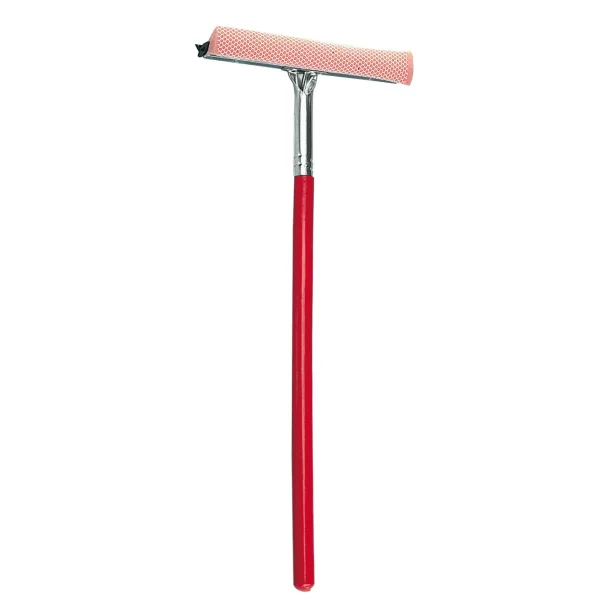
This professional squeegee combines a washing surface with a rubber blade to facilitate the removal of water and residues from glass surfaces. The process leaves the windshield perfectly dry and degreased, creating the optimal adhesion necessary for new car wipers to function without leaving streaks or making noise on the glass.
Replacing worn blades: ensuring uniform contact on the glass
Replacing worn blades is a critical step for maintaining optimal visibility during rain, preventing the formation of water films that distort the image through the windshield. To complete this operation, new blades and a measuring tape are required.
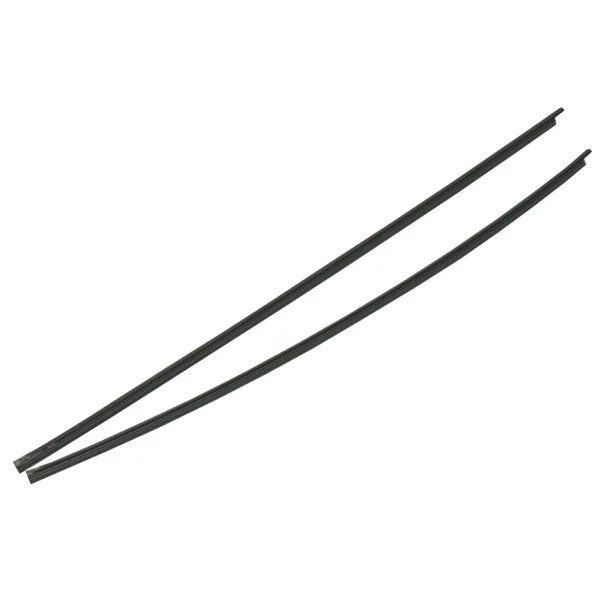
The replacement process is carried out in three clear steps:
Determining the exact dimensions is done by measuring the length of the blades mounted on the vehicle, expressed in millimeters, as the length of the wiper on the driver's side often differs from that on the passenger's side.
Identifying the attachment system involves analyzing the car's metal arm and selecting the appropriate adapter from the new windshield wiper set package, ensuring a firm fit without play.
The actual installation is done by lifting the wiper arm, detaching the old blade by pressing the safety clip, and sliding the new one in until you hear a click that confirms it is locked.
Choosing wiper blades with an aerodynamic profile ensures constant pressure across the entire surface of the glass. This uniform structure contributes to reducing noise and maintaining the blade's contact with the windshield during use.
Treating windows against condensation: preventing instant fogging
Applying a product to treat the interior surface of windows and mirrors prevents the formation of fine water droplets, keeping the glass perfectly transparent even in extreme humidity conditions.
Using a cabin heating device accelerates the drying of the air in the car and speeds up windshield clearing on cold mornings, before the vehicle's main system reaches the optimal operating temperature.
Maintaining the climate control system in optimal condition by replacing the pollen filter on time and periodic sanitization ensures the rapid elimination of excess humidity from the cabin during torrential downpours.
The complete treatment of glass surfaces is finished when all interior windows are cleaned, dried, and covered with a uniform film of anti-fog solution.
Installing waterproof protection in the cabin: blocking moisture in textiles
Installing protective accessories for the car floor is the most effective method to block water from penetrating directly into the vehicle's original carpet. Textile materials retain moisture for a long period, favoring the development of bacteria and damage to the metal floor through corrosion. Unlike these, flexible rubber accessories collect liquid and dirt in a waterproof barrier that is easy to sanitize. For complete cabin protection, it is recommended to use models with raised edges, which retain water even during turns or sudden braking.
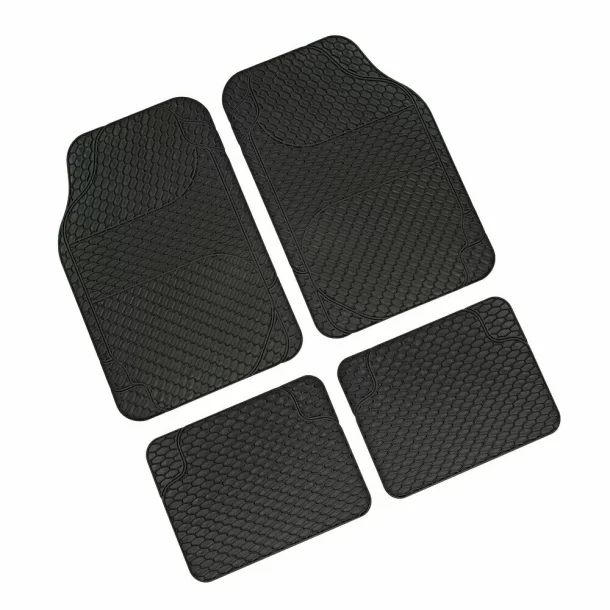
Protecting the center tunnel with a dedicated mat prevents premature wear and the accumulation of mud in hard-to-reach areas of the car. This central rear area is often exposed to dirt brought in by passengers, and cleaning the original carpet in that narrow space is extremely difficult. Accessories tailored specifically for this geometric shape offer an adapted coverage, maintaining cleanliness on the floor surface depending on the chosen model.
Quick cleaning of rubber accessories significantly reduces the risk of unpleasant odors and mold inside the car. Periodically removing accumulated water and simply washing with a water jet prevents dirt from becoming embedded in the surrounding textile fibers. Maintaining a dry atmosphere in the cabin contributes directly to better visibility in the rain, as it decreases the amount of water vapor that can settle on the windows in the form of condensation.
Checking grip and pressure: maintaining control on wet roads
Maintaining control over the vehicle on wet roads depends directly on the condition of the tires and how they interact with the water layer. When the tread cannot evacuate the volume of liquid from the road, the dangerous phenomenon of hydroplaning occurs, at which point the car loses contact with the ground and steering becomes ineffective.
To prevent these risk situations, it is recommended to periodically check the tread depth. A worn profile drastically reduces drainage capacity, increasing braking distance in the rain. Also, tire pressure must be maintained strictly at the values recommended by the vehicle manufacturer. Incorrect pressure, whether too low or too high, changes the shape of the contact patch with the ground, limiting grip and affecting stability in corners.
Maintaining correct tire pressure, according to the vehicle manufacturer's recommendations, is essential for optimizing grip on wet roads.
Preventively equipping the vehicle with an emergency kit is a practical measure essential for maintaining mobility. A flat tire occurring during a storm is difficult to manage without proper equipment, and a complete assistance set allows for the rapid resolution of the problem without exposing passengers to traffic hazards in low-visibility conditions.
To ensure optimal preparation, the two main approaches to managing flat tires in the rain can be compared:
Comparison criterion | Full-size spare wheel | |
|---|---|---|
Composition and structure | Container with sealant solution and compressor | Rim equipped with tire and jack with wrench |
Main purpose | Rapid repair of small punctures on the tread | Complete replacement of the damaged wheel in case of cuts or other damage |
Installation effort | Minimal, does not require lifting the car with a jack | High, requires physical effort in rainy conditions |
Usage limitations | Limited efficiency in case of cuts on the tire sidewall | Takes up space in the car trunk |
Protecting the bodywork against corrosion: applying a layer of hard wax
Exterior preparation of the vehicle for the rainy season requires an effective physical barrier against acidic water, mud, and road contaminant deposits. Applying a protective layer based on wax or a synthetic sealant is the ideal technical solution to prevent dirt from sticking to the clear coat of the paint. This process blocks moisture from penetrating existing micro-cracks and facilitates the rapid runoff of water while driving, considerably reducing the time the bodywork remains wet.
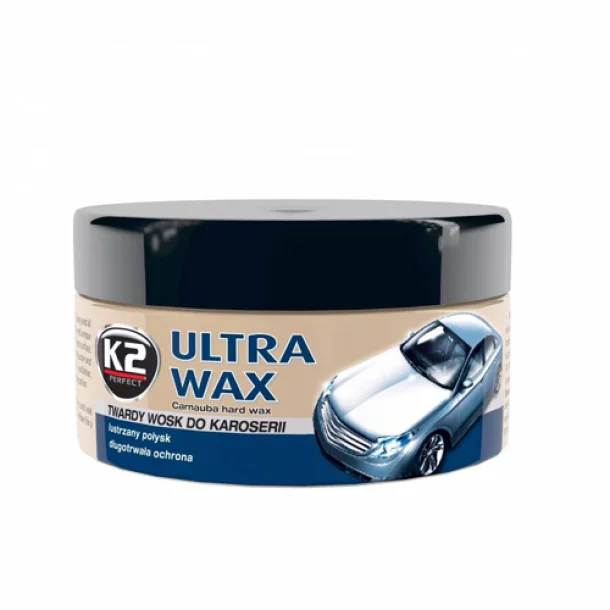
To achieve maximum adhesion of the protective layer, the metal surface must be thoroughly washed, decontaminated with special clay, and completely dried before applying the product. Vehicle owners thus obtain a durable hydrophobic film that protects the original clear coat throughout the autumn and simplifies subsequent washes.
Checking the condition of the drive belts: ensuring alternator operation in the rain
High humidity and driving through deep puddles put additional pressure on the engine's drive belts, which can start to slip due to water accumulated on the pulleys. A worn or loosely tensioned belt will slip much more easily in wet conditions, directly affecting the operation of the alternator and implicitly the power supply to safety systems, such as headlights or windshield wipers.
Vehicle owners must visually inspect these components to identify any cracks, fissures, or signs of rubber aging before the start of the rainy season. In case the belt emits a sharp squeal at startup or while driving through water, it is losing its grip and requires immediate replacement or tensioning in a specialized workshop.
Maintaining the accessory drive in optimal condition contributes to the correct operation of the alternator and the vehicle's auxiliary systems during intense use of electrical consumers.
FAQ
How can you tell if the windshield wipers need to be replaced immediately?
The wiper blades should be replaced if they leave water streaks on the windshield, make squeaking noises while moving, or if the rubber shows visible cracks or signs of damage.
Why do the windows fog up on the inside as soon as it starts raining?
Condensation occurs because of the temperature difference between the outside and inside of the vehicle, combined with the high humidity introduced into the cabin by passengers or wet clothing.
When is it not recommended to apply a hydrophobic treatment to the windshield?
The treatment should be avoided if the windshield has deep scratches or chips, as the product may accumulate in these damaged areas and affect light refraction when driving at night.
What type of car mat provides the best protection against mud?
Rubber car mats with raised edges are ideal for the rainy season because they retain water and dirt, preventing them from reaching the vehicle's original carpeting.


