






















Interior Car Tuning: How to Modify the Cabin Safely

Interior Car Tuning: How to Modify the Cabin Safely
What are the legal rules for modifying the vehicle interior?
Interior modifications are legally permitted as long as they do not affect the vehicle’s structural integrity or active safety systems. Any intervention involving components inside the cabin must comply with technical regulations in order to maintain the vehicle’s integrity and contribute to passenger safety. Customizing the car by adding automotive accessories must not obstruct the driver’s visibility or interfere with the proper operation of the airbags and seat belts.
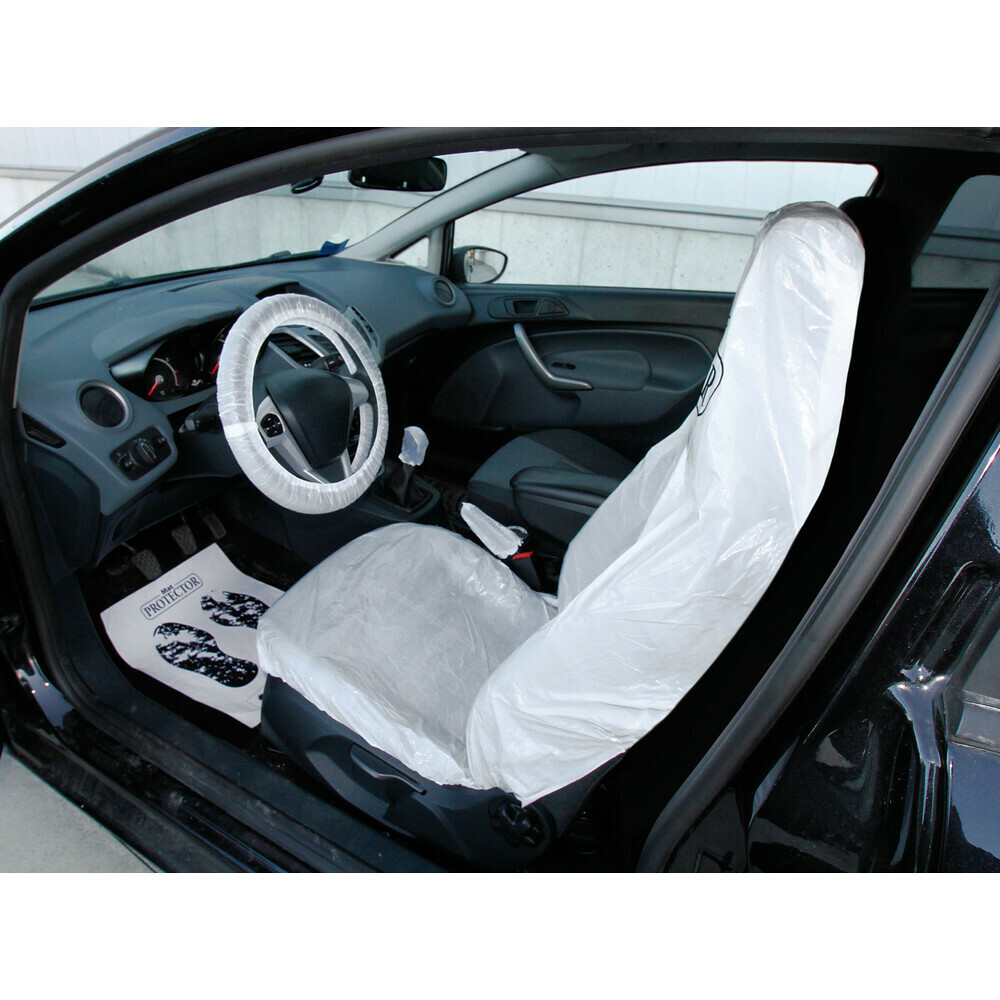
Any modification to the seats or seat belts must comply with approval standards in order to contribute to passenger safety. Replacing the original seats with sports seats or modifying seat belt mounting points without proper certification can affect the integrity of the safety systems, as these components are designed to operate within specific parameters during an impact. To protect the interior during maintenance work, workshops can use a 5-in-1 Car Interior Protection Kit for Service, which helps maintain cleanliness without making permanent changes to safety components.
ECE-R 21 establishes uniform provisions concerning the approval of vehicles with regard to their interior fittings, with the aim of reducing the risk of injury to occupants in the event of contact with interior components. The regulation sets requirements for projections, edges and certain interior components, as well as energy-dissipation requirements for relevant components located within impact zones, in accordance with UNECE provisions. Mandatory warning elements, such as the Beginner Driver Sign Sticker Set 2 pcs - Ø 85 cm - Interior, must also be correctly applied to the windows without reducing the field of vision required for safe driving.

How do interior accessories affect passenger safety?
Modifications made to the cabin directly influence the level of passenger protection in the event of an impact, as the materials and the way interior elements are secured determine how the energy of a shock is absorbed or distributed. International safety standards and national road legislation impose strict rules to prevent serious injuries while travelling.
Federal Motor Vehicle Safety Standard FMVSS 571.201 regulates occupant protection in the event of interior impacts, establishing clear requirements for the use of energy-absorbing materials on components such as dashboards, seat backs, interior doors, armrests, and sun visors.
ECE-R 21 defines uniform provisions concerning the approval of vehicles with regard to interior fittings, imposing limit values for the resulting deceleration if an occupant’s head strikes the cockpit structure.
Romanian road legislation requires all vehicle occupants to wear seat belts, while children under 12 years of age or shorter than 150 cm must travel exclusively in the rear seats, using a booster seat or a restraint system appropriate for their size.
The use of non-compliant or incorrectly installed accessories can interfere with the operation of the vehicle’s systems.
Any interior car tuning process must be carried out using approved parts that comply with these technical regulations and do not interfere with the vehicle’s active or passive safety systems. Choosing certified accessories helps maintain the vehicle’s compliance with the manufacturer’s specifications.
What solutions are available for protecting surfaces during tuning work?
Protecting original components during installation prevents damage to sensitive materials inside the cabin, eliminating the risk of scratches or stains that are difficult to remove. During the preparation stage of any interior modification, preventive covering of contact areas is an essential step for maintaining the integrity of the vehicle.
Using a 5-in-1 Car Interior Protection Kit for Service makes it easier to cover the seat, steering wheel, gear lever, handbrake, and floor. This disposable set is designed to reduce the transfer of grease, dust, or adhesive substances used during customization operations. Each polyethylene and paper component in the kit prevents the transfer of dirt or accidental scratching of plastic, leather, or textile finishes.
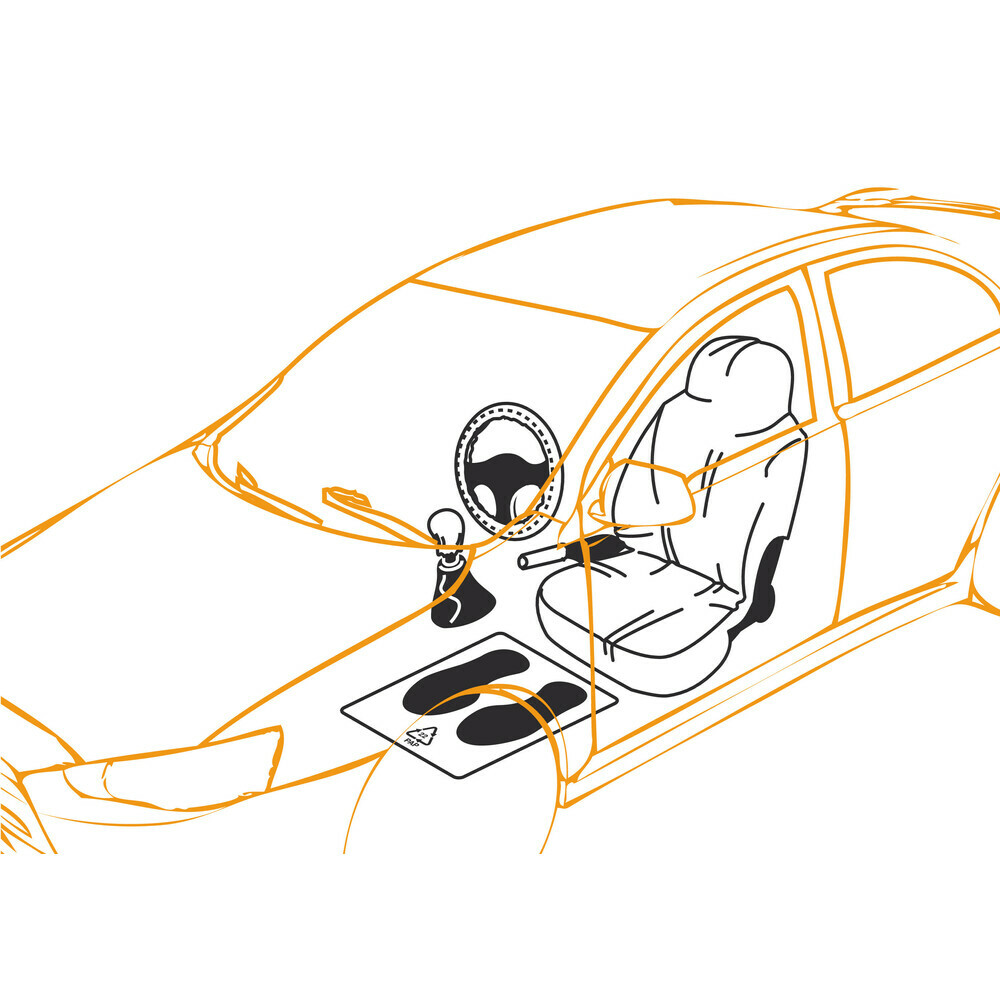
The seat cover provides an effective barrier against mechanical friction caused by technicians’ equipment, while the elastic films intended for the steering wheel and levers prevent impurities from adhering without making the controls difficult to operate. The paper floor protection absorbs moisture and traps residue from footwear, keeping the original carpet clean. Using these protective accessories before starting the work helps maintain cleanliness and protect interior surfaces.
How should mandatory distinctive signs be correctly applied to windows?
Beginner drivers are legally required to display distinctive signs on the windshield and rear window, in accordance with the provisions established by the Romanian Road Code. This measure is essential for road safety, warning other road users about the driver’s lack of experience and thereby helping to prevent risky manoeuvres near the vehicle.
The Beginner Driver Sign Sticker Set 2 pcs - Ø 85 cm - Interior is designed for application on the inside of the window. This installation method helps protect the material against external factors while maintaining the visibility of the yellow symbol.
Correct positioning of these automotive accessories must be carried out with particular care so as not to obstruct the driver’s field of vision during driving or parking manoeuvres. They are generally positioned in the lower right corner of the windshield and the lower left corner of the rear window, ensuring maximum visibility from outside without blocking the rear-view mirrors or critical traffic-monitoring areas. Before application, the glass surface must be thoroughly cleaned and degreased to ensure perfect adhesion of the self-adhesive layer.
Why is the quality of additional electrical components important?
Additional audio systems or LED lighting strips installed inside the cabin significantly increase the vehicle’s overall electrical load, requiring dedicated protection to prevent the risk of short circuits. Any modification to the original electrical installation without correctly sized fuses can lead to melted cable insulation and, in severe cases, fires inside the vehicle.
Managing additional loads: High-power multimedia equipment and lighting accessories added during the vehicle customization process place significant demands on the battery and alternator, requiring clear circuit segmentation.
Preventing overheating: Integrating a properly calibrated protection device interrupts the current flow before the conductor temperature reaches the critical ignition threshold.
Automatic Car Circuit Breaker 12-48V 60A Amio: This specific device acts as a robust protection relay, instantly isolating the secondary circuit when it detects an overload or accidental short circuit.
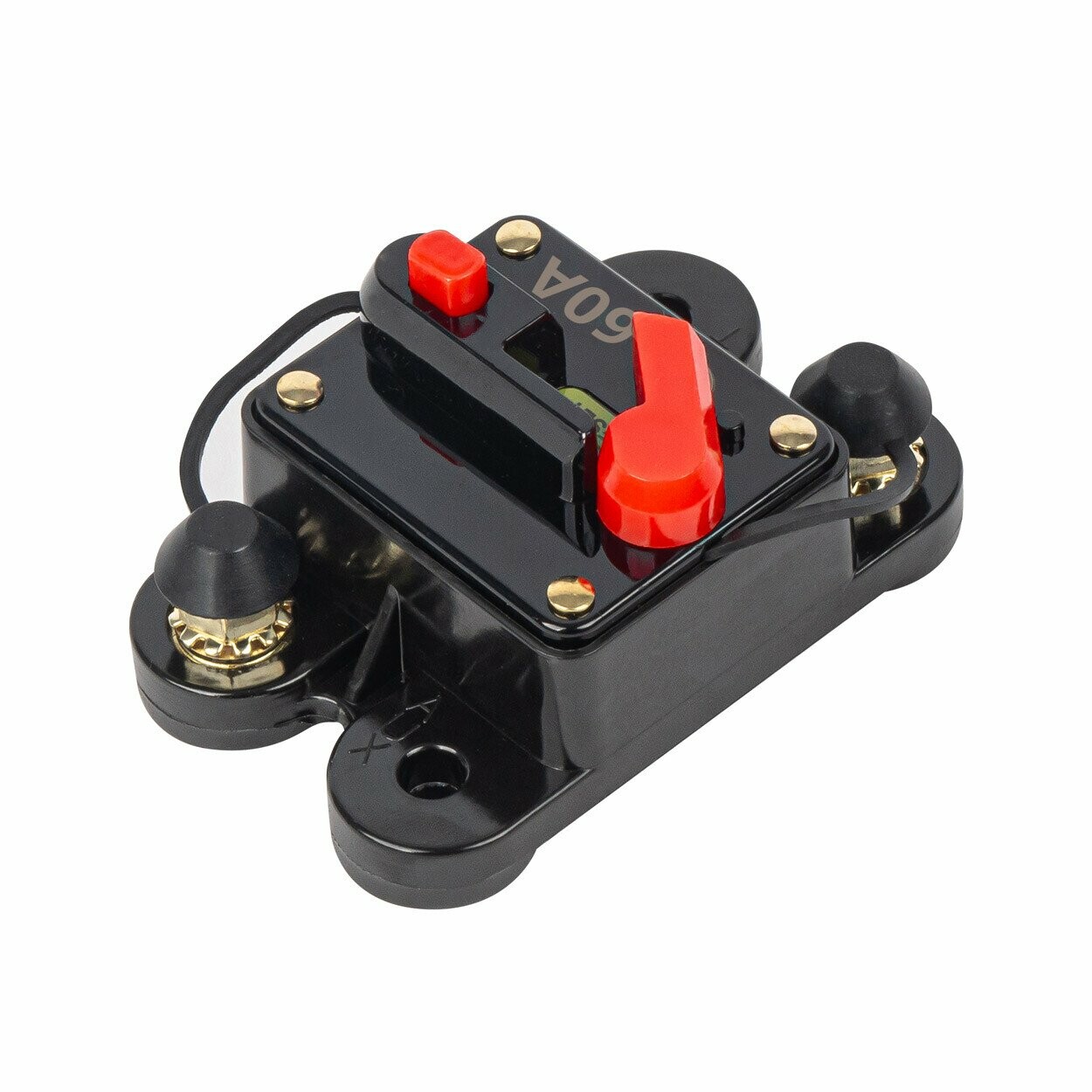
Integrated reset button: The presence of this manual mechanism on the automatic circuit breaker eliminates the need to physically replace blown fuses, allowing the system to be quickly restored to operation once the electrical fault has been completely resolved.
Road safety depends directly on the quality of the connections and protective components used in these cabin modifications. Using conductors with an appropriate cross-section, together with thorough insulation of all branching points, represents essential measures for maintaining the integrity of the vehicle.
How can the aesthetic appearance of transparent interior components be maintained?
Dull or scratched plastic components around the dashboard or instrument cluster affect visibility and the overall appearance, reducing the aesthetic quality of the cabin and making it more difficult to correctly read the indicators while driving. The degradation of these transparent surfaces often occurs due to prolonged exposure to ultraviolet radiation and repeated cleaning with unsuitable textile materials, which leave behind a fine network of scratches.
Using a Professional Car Headlight Restoration Kit with 600 ml Liquid Plastic, Accessories Included helps maintain the appearance of polycarbonate surfaces inside the vehicle, providing an effective method for removing optical defects without dismantling complex dashboard components. This kit uses chemical polymerization to superficially melt micro-scratches and even out the protective layer, ensuring a perfectly smooth and clear finish.
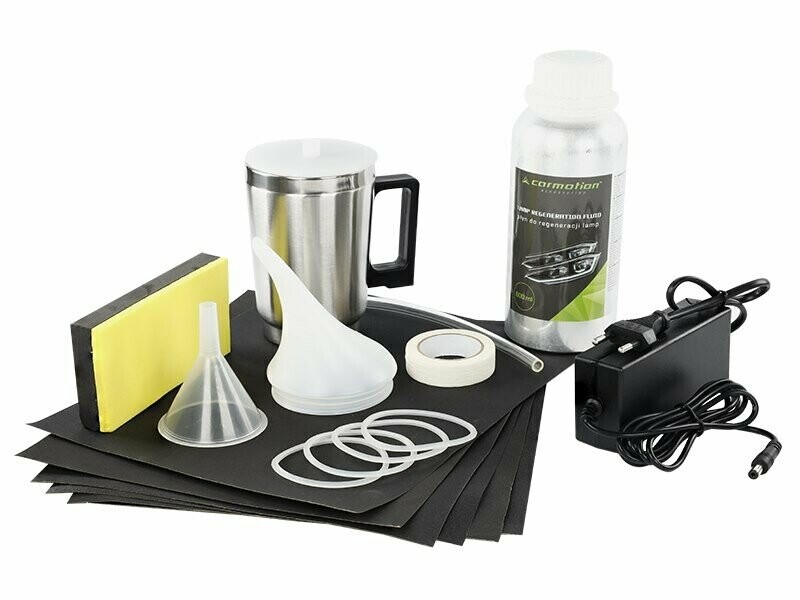
Removing micro-scratches restores the optical clarity required to correctly monitor dashboard indicators, preventing distracting reflections in bright light or at night. The restoration process involves extremely fine sanding of the affected area, followed by the application of polymer vapours that seal the pores of the plastic material. This intervention not only improves the visual appearance of the instrument panel but also prevents dust from quickly accumulating in fine scratches, keeping the cabin clean and safe for an extended period.
How do you choose the right adhesive for decorative interior elements?
Securing interior tuning accessories requires the use of adhesives specially formulated for the automotive industry, capable of withstanding extreme temperature variations without losing their adhesive properties. The interior of a vehicle exposed to sunlight can reach internal temperatures exceeding 60 degrees Celsius, while in winter temperatures frequently fall below freezing. For this reason, the use of universal household adhesives is not recommended, as they become brittle in cold temperatures or soften in heat, creating a risk that components may become detached while driving.
For installing dashboard trims or decorative profiles, specialists recommend double-sided acrylic foam tapes or single-component polyurethane adhesives. These materials provide permanent elasticity, absorbing the vehicle’s natural vibrations while driving and preventing squeaking noises. Before application, plastic or leather surfaces must be degreased exclusively with professional products that do not damage the protective layers of the original materials, thereby ensuring maximum adhesion and secure long-term fastening.
FAQ
What is the difference between aesthetic and structural modifications inside the cabin?
Aesthetic modifications focus on the visual appearance without altering the mounting points of safety components, while structural modifications affect the strength of the body structure or the operation of the airbags.
What limitations apply to automotive films installed on interior windows?
Films applied to the front side windows and windshield must not reduce light transmission below the legal limits established by the authorities, in order to ensure optimal visibility.
What risks arise from incorrectly installing seat covers?
Incompatible seat covers can block the deployment of side airbags integrated into the seat backs, delaying occupant protection in the event of a side impact.
How does temporary PE protection compare with dedicated rubber floor mats?
Temporary PE protection is intended exclusively for the service work phase to prevent dirt and contamination, while rubber floor mats provide long-lasting protection against wear and moisture during everyday use.
Are additional screens mounted on headrests for rear passengers permitted?
Yes, screens are permitted if they are securely mounted and do not have sharp edges or protruding elements that could injure passengers in the event of sudden deceleration.


