


Foggy Car Windows in November? Discover How to Get Rid of Condensation!

Why Do Car Windows Fog Up in November? Simple Solutions for the Cold Season
High humidity causes car windows in November to accumulate a thick layer of condensation from the early morning hours. Understanding the thermal factors and sources of moisture inside the passenger compartment makes it possible to choose practical ventilation and maintenance measures. This guide provides clear procedures for maintaining optimal visibility throughout the cold season.
Key Takeaways
The temperature difference between the warm interior air and the cold glass causes water vapor to condense.
Activating the air conditioning together with the fresh air intake dries the passenger compartment much faster than ventilation alone.
Textile floor mats soaked with rainwater and clogged cabin air filters are major sources of persistent moisture.
Thoroughly cleaning the interior glass reduces the adhesion of fine condensation droplets and optimizes the effectiveness of dedicated treatments.
Why Do Car Windows Fog Up When Temperatures Drop?
Window fogging occurs when the temperature difference between the warm air inside the car and the cold glass causes water vapor to condense. Warm air inside the passenger compartment holds a large amount of invisible moisture. Upon direct contact with the cold glass, the air loses its ability to retain moisture. The dew point is quickly reached, forming a thin layer of condensation on the windshield.
The main source of this humidity is activity inside the vehicle. Each passenger's breathing continuously releases warm water vapor into the enclosed space. At the same time, water brought in on clothing, wet footwear, or umbrellas gradually evaporates as the car warms up. All this moisture inside the passenger compartment naturally moves toward the coldest surfaces, namely the thermally uninsulated side windows and windshield. The location of the condensation provides clear clues about the source of the accumulated moisture:
Interior condensation indicates excess water vapor from passengers or localized water leaks.
The interior film persists if the ventilation system does not effectively remove humid air.
Exterior condensation frequently appears when starting the car, as the cold autumn atmosphere meets the heated windshield.
Exterior deposits are immediately removed by operating the windshield wiper blades.
Correctly identifying the type of condensation determines the most effective course of action. While the exterior layer disappears through simple mechanical wiping, the interior film requires ventilation and dedicated treatments to limit its reappearance while driving.
Cold Air vs. Warm Air: How Interior Moisture Triggers Condensation
Condensation on the windshield appears as soon as the warm, humid interior air touches the glass cooled by low outdoor temperatures. Moisture accumulated inside the passenger compartment accelerates this process, turning invisible vapor into fine droplets that obstruct visibility while driving. The main sources that increase moisture levels inside the car during the cold autumn season include:
Wet footwear and textile floor mats that retain water brought in by cold rain, gradually releasing moisture when the heating is turned on.
Damp clothing, jackets, and umbrellas placed on seats or the rear bench, continuously releasing water vapor into the limited interior space.
A clogged cabin air filter that restricts the intake of fresh outside air, preventing the interior air from drying naturally.
Accidental water infiltration through aging door seals or blocked drainage openings at the base of the windshield.
When water penetrates deep beneath the carpets due to exterior drainage channels clogged with leaves, complete drying becomes difficult. Replacing textile floor mats with rubber car mats limits water absorption by the flooring, while accumulated liquid can be quickly emptied outside. Regularly checking door seals and cleaning the drainage channels beneath the windshield wipers helps reduce the source of persistent condensation. Proper ventilation and maintaining unobstructed airflow reduce the formation of an opaque film on the windows.
How to Quickly Demist the Windshield and Car Windows
Quickly demisting glass surfaces requires the immediate removal of water vapor from the air circulating through the climate control system. The driver can restore optimal visibility by following a precise sequence of dashboard settings:
Direct the airflow exclusively toward the windshield and select the maximum fan speed to break up the condensation film on the windshield.
Activate the air conditioning compressor to mechanically extract moisture from the air blown into the passenger compartment.
Disable the air recirculation function to supply the system exclusively with fresh air drawn from outside.
Set the temperature to a warm level to heat the glass and reduce the risk of reaching the dew point.
Partially lower a side window for a short period to accelerate the removal of air saturated with water vapor.
Cold autumn air contains less absolute humidity than the warm air exhaled by passengers. Forcing it into the passenger compartment quickly reduces the concentration of moisture in the air. Driving should begin only after the windshield, rear window, and side windows have been completely cleared. Partial visibility narrows the driver's field of vision and increases the risk of accidents on busy urban roads.
Anti-Fog Solutions for Car Windows: When and How Should They Be Used?
Chemical solutions limit condensation by changing the surface tension of water on the glass. Dedicated formulas are designed to help prevent water vapor from gathering into fine, opaque droplets, maintaining a continuous and transparent layer.
A dedicated product, such as Prevent Windshield Anti-Fog Spray 300ml, creates a microscopic hydrophilic film on the interior surface of the glass.
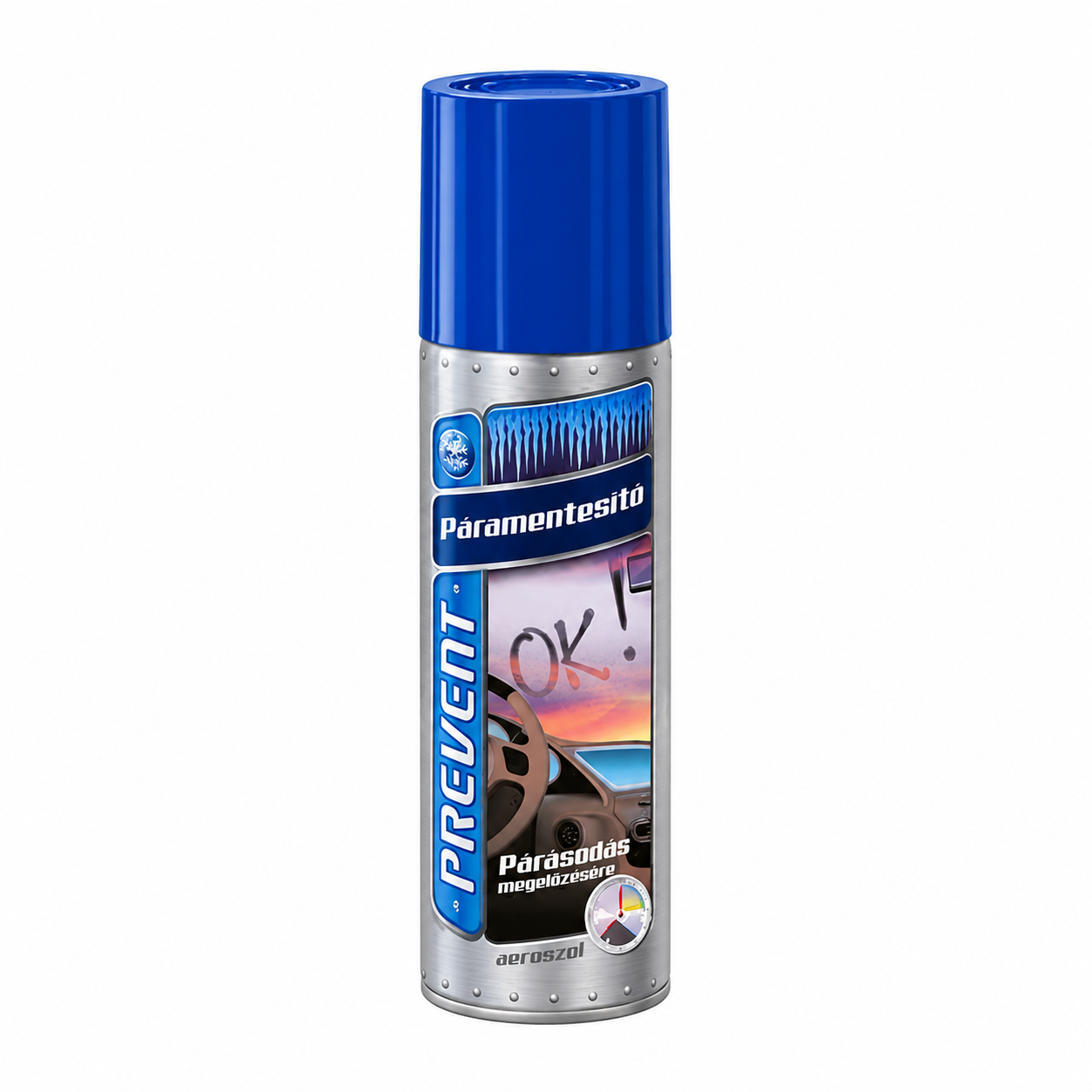
This barrier forces moisture to form an invisible film instead of visible condensation. The difference between interior and exterior treatments is fundamental to safety:
Interior treatments are hydrophilic. They attract water molecules and distribute them evenly across the glass, reducing distracting reflections.
Hydrophobic solutions are applied exclusively to the exterior. They repel liquid water and raindrops, causing them to slide off quickly at driving speeds.
For optimal results, application requires meticulous surface preparation. Thoroughly degrease the glass before treatment using a dedicated automotive glass cleaner. Any trace of dust or grease prevents the chemical compounds from adhering properly. Spray the product evenly over the surface. Then polish the glass with a clean microfiber cloth until all residues or streaks have completely disappeared.
However, these formulas have clear practical limitations during use. A chemical solution cannot compensate for excessive moisture caused by major water leaks or a damaged heater core. When the air inside the car is continuously saturated with water vapor, the protective film quickly becomes saturated. In such situations, solving the problem first requires repairing the mechanical cause of the moisture.
Clean the Inside of the Windshield for Better Visibility
A dirty glass surface accelerates condensation and prevents the window from drying evenly. Fine dust particles, smoke residues, and plasticizers evaporating from dashboard materials constantly accumulate on the inside of the windshield. These volatile compounds form a greasy film that is invisible in diffused light. Water vapor immediately adheres to this oily structure, increasing the appearance of persistent condensation.
For effective interior windshield cleaning, the degreasing process requires concise steps and suitable accessories:
Remove the greasy film using a clean microfiber cloth folded into four sections, allowing the contact surface to be changed frequently.
Spray a dedicated automotive glass cleaner directly onto the cloth, preventing liquid from dripping onto the dashboard.
Wipe the glass using straight horizontal and vertical movements, avoiding circular rubbing that leaves residue around the edges.
Immediately finish with a second dry microfiber cloth to completely absorb any remaining solvent traces.
Dedicated automotive glass cleaners contain volatile cleaning agents specifically designed for automotive applications. They evaporate quickly and leave no residual streaks when exposed to warm airflow from the ventilation system. Common household cleaning solutions often contain ammonia or synthetic fragrances, substances that leave whitish streaks when the windshield is heated. A dirty cloth simply transfers skin oils from one part of the glass to another, creating blinding reflections at night. Using only dedicated cleaning textiles helps keep the glass clean and allows quick demisting on cold mornings.
How Can You Reduce Moisture Inside the Car During the Cold Season?
Reducing humidity levels inside the passenger compartment depends directly on eliminating internal sources of water and maintaining optimal ventilation airflow. Applying simple preventive measures limits condensation buildup and shortens the time required for demisting. The following practical measures keep the interior dry throughout the cold season:
Replacing textile floor mats with rubber car trays reduces the risk of the flooring becoming soaked with water brought in on footwear. These accessories retain liquid and mud on their waterproof surface, allowing easy emptying at every stop.
Using silica gel bags or compact moisture-absorbing devices extracts water vapor from the air. Positioning these products beneath the seats or in the door pockets accelerates the drying of the air inside the car.
Removing wet clothing, umbrellas, or blankets from the passenger compartment at the end of each journey limits water evaporation overnight. Leaving wet textiles on the rear bench generates condensation on the windshield during the early morning hours.
Regularly checking and replacing a clogged cabin air filter restores the correct airflow from the heater fan. A clean filter allows dry outside air to enter and efficiently removes moisture from the interior.
These measures limit the transfer of water to the vehicle's underlying carpet, an area that is extremely difficult to dry at low temperatures. Maintaining active ventilation through the lower air vents gradually dries any residual moisture accumulated around the pedal area.
Avoid Ventilation Mistakes: Keep Your Windows Clear While Driving
Incorrect operation of the climate control system and unsuitable habits maintain moisture on glass surfaces and reduce visibility while driving. Several common mistakes prevent the effective removal of moisture from the interior air:
Keeping the air recirculation function permanently activated. This setting continuously circulates the same humid air inside the vehicle and intensifies condensation on the windshield.
Wiping the glass with your palm, glove, or sleeve. This transfers grease and impurities onto the window, forming an opaque film that is particularly distracting at night.
Driving away immediately before the windshield has been completely cleared. The lack of clear visibility in all directions seriously compromises driving safety.
Neglecting to replace a clogged cabin air filter. A filter saturated with dust and dirt blocks the intake of fresh outside air.
Switching off the air conditioning compressor to save fuel. The system acts as an essential dehumidifier, accelerating the demisting process.
Ignoring wet leaves and plant debris accumulated at the base of the windshield wipers. These deposits obstruct exterior air intakes and push additional moisture through the ventilation grilles.
Correcting these daily habits restores optimal fresh air circulation and reduces unwanted moisture accumulation inside the passenger compartment. Mechanically removing leaves from the base of the windshield before starting the car reduces the risk of water being drawn into the heating system. Using a clean microfiber cloth to clean the interior windshield removes greasy residues that attract new condensation particles. Keeping the climate control system running with ventilation directed strictly toward the glass surfaces ensures a constant flow of dry air. These simple steps contribute to better visibility on any journey in difficult weather conditions.
Useful Accessories for Clean Windows and Good Visibility in November
Optimal visibility while driving on cold mornings depends on dedicated equipment that prevents condensation and reduces the time required for quick demisting. A complete approach combines exterior thermal protection with auxiliary heating equipment and chemical cleaning solutions.
The following table details the functional differences between the main categories of accessories designed to keep glass surfaces clean:
Accessory Category | Main Function | How It Works | Best Time to Use |
|---|---|---|---|
Exterior windshield cover | Protection against frost | Thermal insulation on the glass surface | Preventive installation during overnight parking |
Dedicated auxiliary heater | Localized heat production | Airflow directed toward the windshield | Immediately after starting a cold engine |
Chemical de-icing kit | Rapid melting and mechanical cleaning | Chemical dissolution of the ice layer | Early in the morning, before departure |
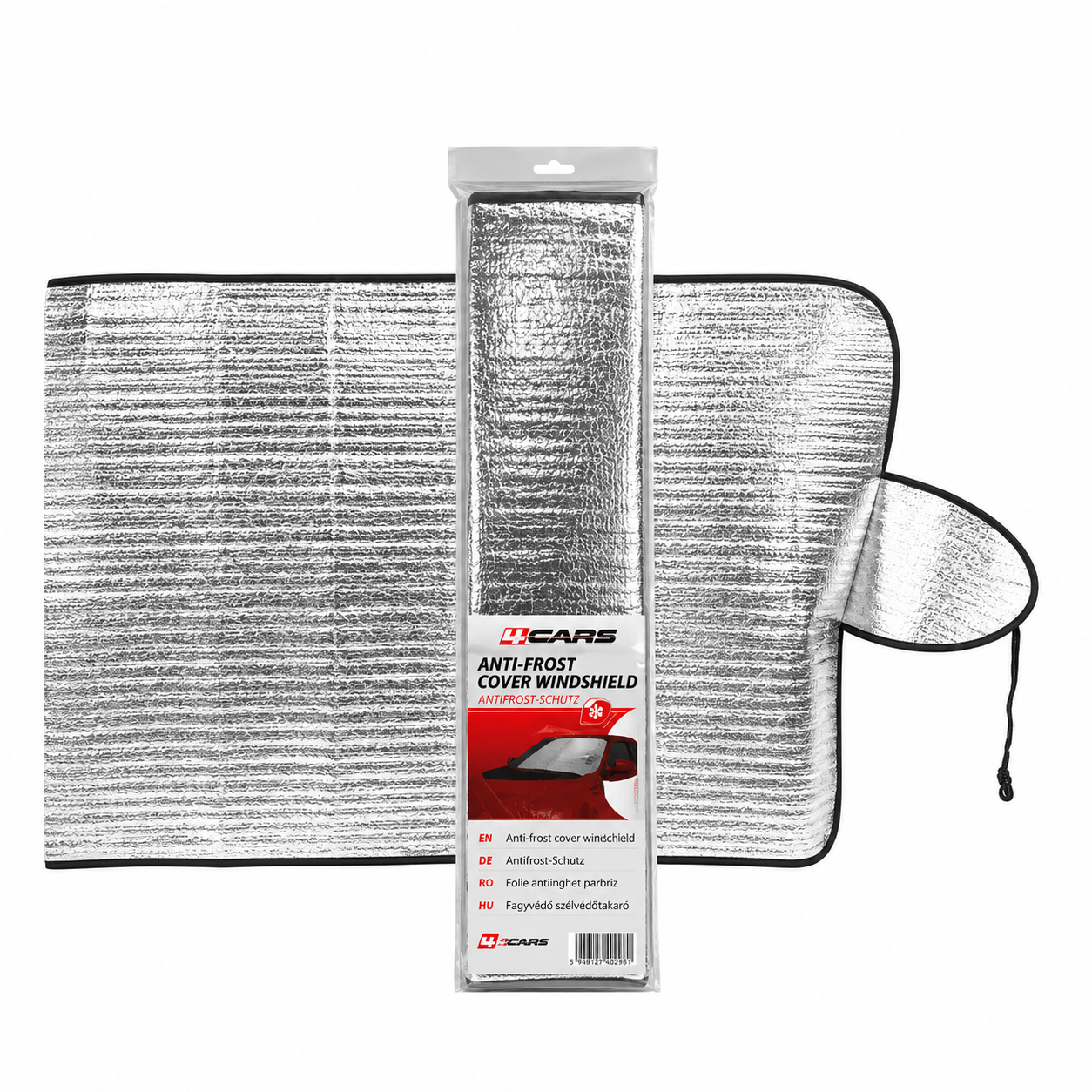
A 4Cars Anti-Frost Windshield Cover - 156x70cm installed on the exterior protects the windshield against frost formation. It reduces the sudden temperature difference between the passenger compartment and the exterior. Thanks to this barrier, condensation on the windshield is considerably reduced when the car is first started.
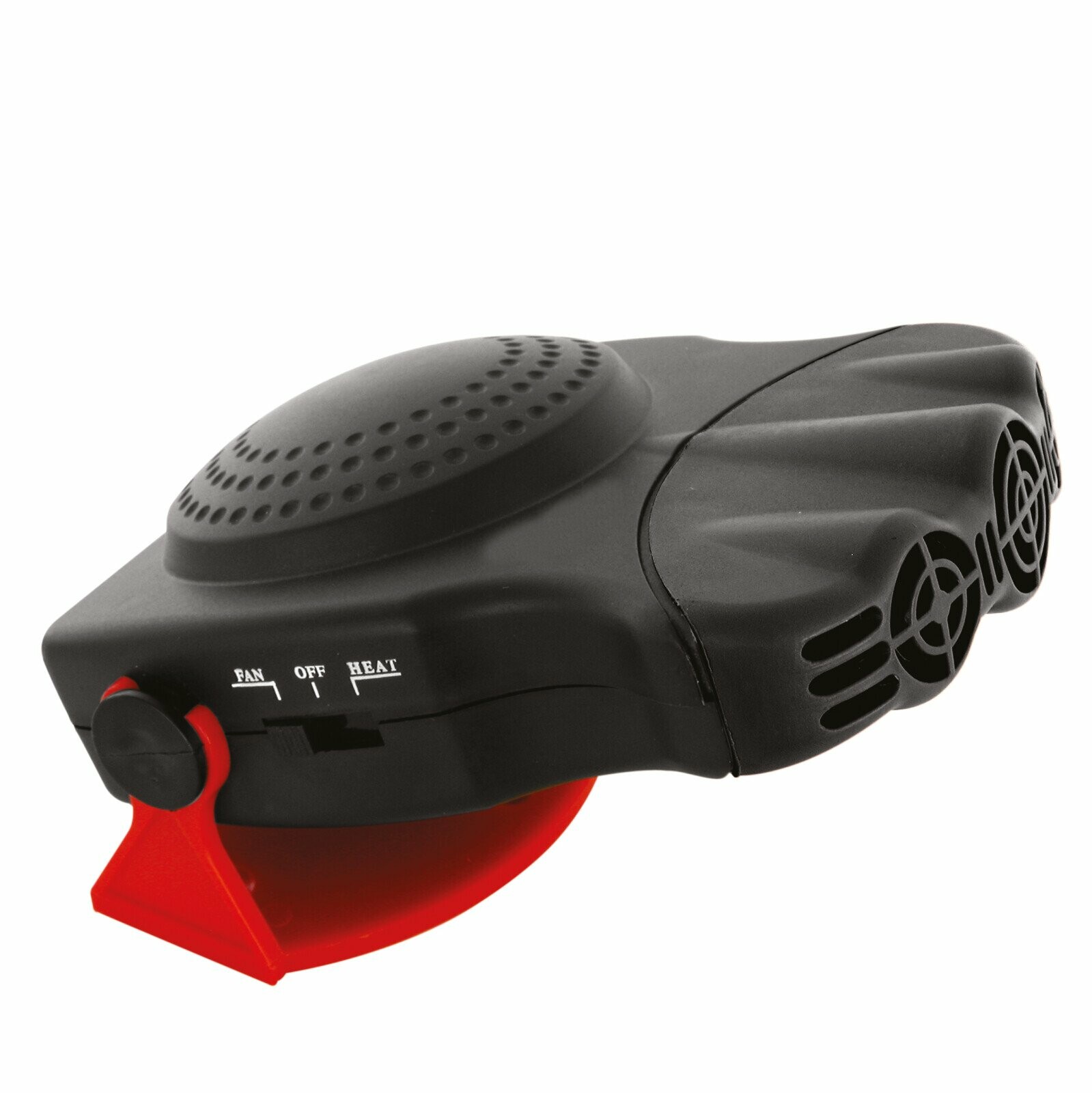
For vehicles whose engines take a long time to reach operating temperature, a 12V 150W Heating and Demisting Fan immediately directs a warm airflow toward the critical area of the windshield. The device operates independently of the vehicle's heater radiator.
For rushed departures, a Basic Winter De-Icing Kit - Trapezoidal Windshield Ice Scraper, 200ml Anti-Fog Spray, 300ml De-Icer Spray, 50ml Lock De-Icer and Lubricant Spray, 4 Pieces provides active substances for de-icing.
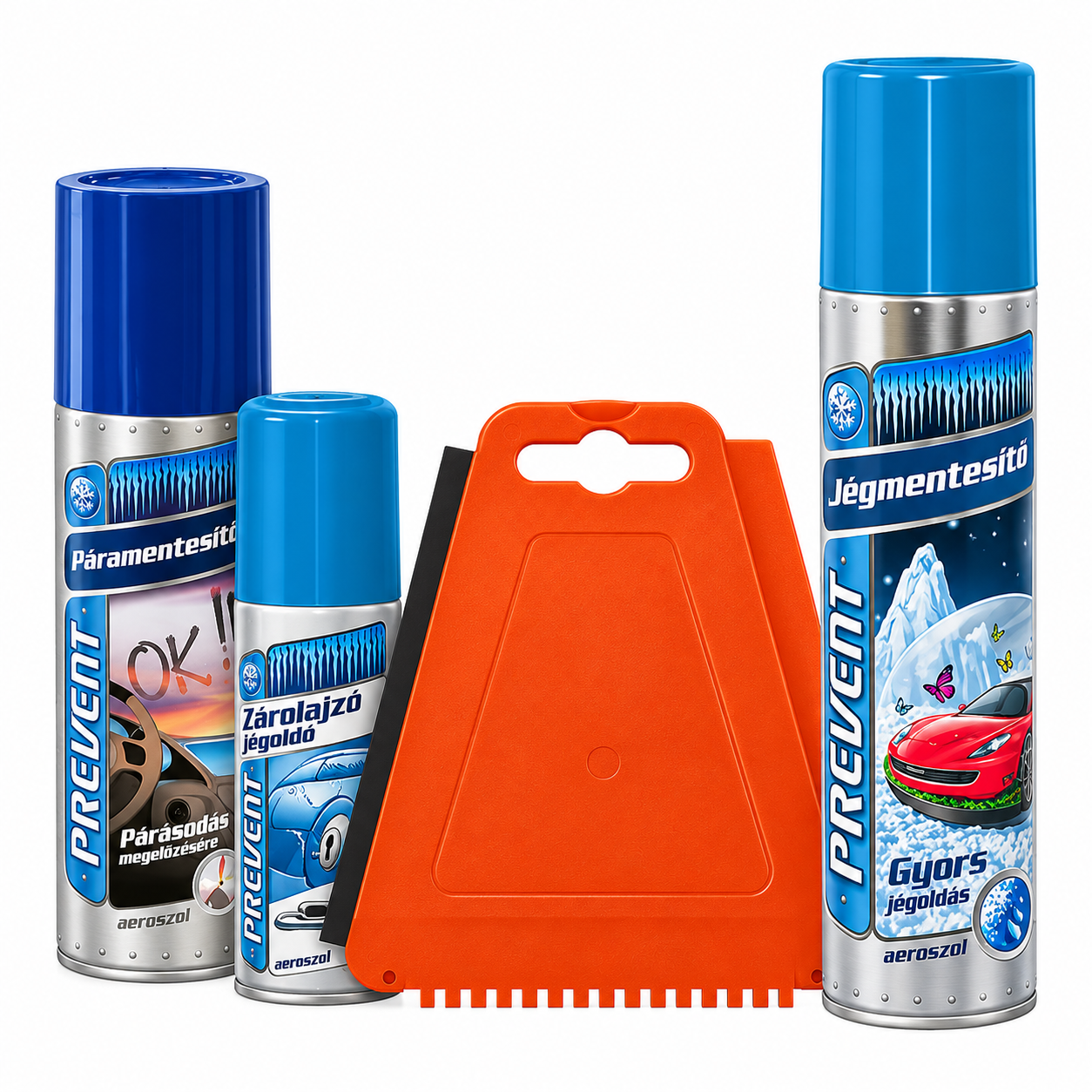
The kit removes the exterior layer of ice and helps ensure proper interior windshield cleaning when combined with a thoroughly applied anti-fog spray. This way, moisture inside the passenger compartment has less impact on visibility during the journey.
Prepare Your Car for Cold November Mornings
Choosing the right solution depends directly on where the car is parked and the time available before departure. Drivers who leave their vehicles outdoors overnight need a physical barrier on the windshield. Those who frequently travel short distances can choose an auxiliary heating device.
Check the condition of the cabin air filter and the sealing of the door seals before purchasing any chemical treatment. A properly degreased surface maximizes the effectiveness of solutions applied to the interior. To keep your car windows clean in November, combine rubber floor trays with passenger compartment dehumidifiers.
Explore the range of automotive accessories to fully equip your vehicle. Add the necessary products to your cart and place your order quickly. Enjoy prompt delivery directly to your door.
FAQ
Why Does Air Conditioning Work for Demisting Even When It Is Cold Outside?
The air conditioning system actively extracts moisture from the airflow before heating it. The dry air blown onto the glass absorbs condensation much faster than cold or humid outside air.
What Fault Does Persistent Window Fogging Accompanied by a Sweet Smell Indicate?
This phenomenon indicates a crack in the heater core inside the dashboard, with evaporated antifreeze depositing directly onto the windshield.
How Long Does an Anti-Fog Treatment Applied to the Interior Windshield Last?
The duration of the effect of an application on previously cleaned glass depends on the humidity level inside the car.
How Can You Recognize a Completely Clogged Cabin Air Filter?
The airflow through the vents decreases noticeably at medium fan speeds, while the heater fan noise increases without the airflow effectively reaching the windshield.
Is It Useful to Use an Auxiliary 12V Heater While Driving?
Auxiliary 12V devices provide focused heat immediately after starting the engine, accelerating windshield de-icing until the engine reaches its optimal operating temperature.


