


Wheel Covers for Vans: How to Choose and Install the Right Models

Wheel Covers for Vans and Commercial Fleets
Finding wheel covers for vans designed for intensive use reduces the risk of losing accessories while driving and protects wheel hub components. Before starting installation, you will need clean steel wheels, protective gloves, and a suitable set designed for convex wheel profiles. This guide outlines the practical steps for checking mechanical tolerances, selecting the right material, and ensuring a secure fit.
Check the Profile of Steel Wheels: Mechanical Stability
Components designed for commercial vehicles can be found in dedicated van and light commercial vehicle categories at specialized automotive equipment retailers. Before installation, assessing the wheel profile helps reduce the risk of components coming loose during long journeys.
Steel wheels for commercial vehicles have a pronounced convex geometry, designed to accommodate heavy payloads. Installing conventional flat wheel covers on these wheels puts excessive pressure on the fastening system and causes them to detach prematurely. To ensure mechanical stability on the road, follow this checklist directly at the vehicle:
The outer profile of the wheel has a prominent outward curvature around the hub, typical of commercial vehicles.
The marking stamped on the tire sidewall indicates the appropriate nominal diameter, with common sizes including 14, 15, 16, and 17 inches.
The selected component is made of ABS material with sufficient internal depth for convex wheels, such as the VAN Craft RC Van Wheel Covers, Set of 4 – Black/Silver – 16".
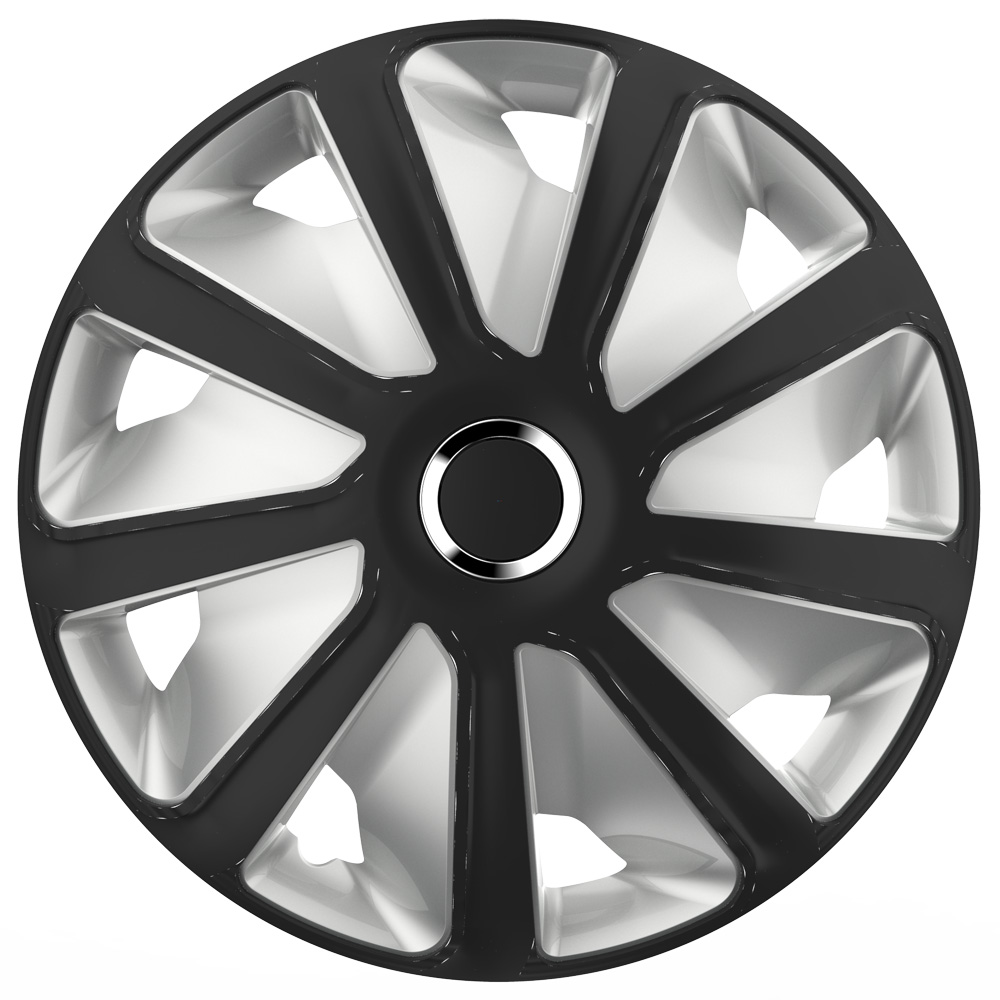
The retention mechanism includes calibrated elastic clips compatible with the outer rim of steel wheels.
The ventilation openings leave sufficient space for brake disc cooling during intensive driving.
The mounting edge fits evenly around the metal rim without creating uneven tension around the wheel bolts.
Choose the Manufacturing Polymer: Resistance to Stress
The choice of polymer directly determines how well wheel accessories withstand the demands of commercial vehicle operation. Intensive braking generates significant heat, which transfers from the brake discs to the steel wheels. This thermal transfer can deform conventional rigid plastics, making them brittle and vulnerable to cracking.
Solutions designed for commercial fleets use premium ABS plastic. This technical compound provides mechanical resistance suitable for continuous vibration, adverse weather conditions, and road grit. The flexible polymer absorbs mechanical impacts without permanent deformation over long distances.
The main material selection criteria for intensive operation include:
High thermal stability during repeated heating and cooling cycles around the wheel hub.
Maintaining structural flexibility at sub-zero winter temperatures on roads treated with anti-skid materials.
Mechanical resistance to torsional forces generated by heavy payloads transported over long distances.
Maintaining optimal rigidity at the contact points along the wheel rim.
The VAN Craft SB Van Wheel Covers, Set of 4 – Silver/Black – 16" offer an alternative to original equipment wheel covers for vehicles operating under demanding transport conditions. This set provides good mechanical resistance along the outer edge during dynamic stress. The wheel hub protection is designed to support stability when driving on damaged road surfaces.
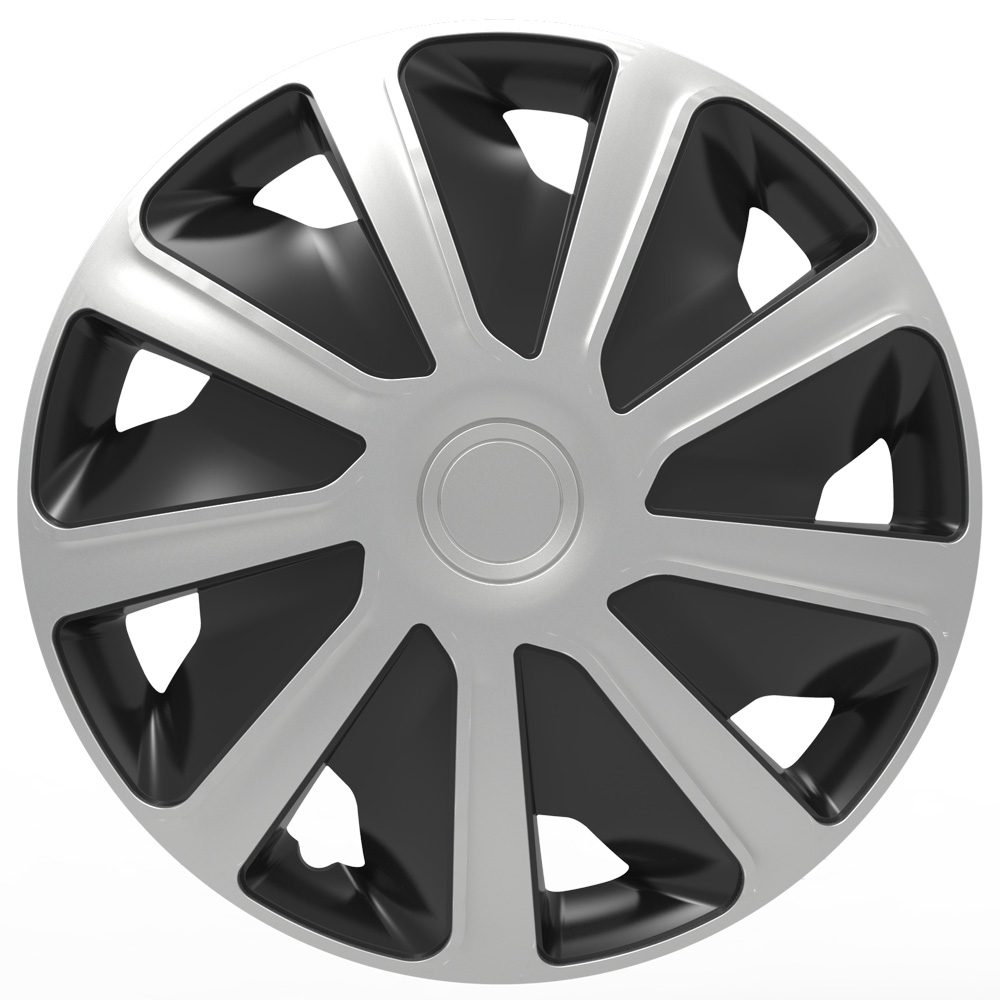
The durable material limits the risk of microcracks developing around the perimeter ventilation openings. At the same time, the housing walls do not obstruct brake disc ventilation. The component absorbs mechanical impacts transmitted through the tire directly to the wheel, protecting internal components. Installation on vans requires only cleaning the contact area and carefully aligning the cover with the valve opening.
How Can You Prevent Wheel Covers from Coming Loose While Driving?
The risk of wheel covers detaching during operation can be reduced by ensuring proper elastic tension along the rim of commercial vehicle steel wheels. Mechanical vibrations during long-distance driving quickly wear down plastic-only clips if they are not supported by an elastic retention system. Centrifugal forces and road impacts make retaining clips with a metal ring necessary for improved mechanical stability.
For installation, you will need protective gloves and pliers suitable for adjusting metal retaining rings. This procedure is not appropriate for structurally deformed wheels or wheels with severely damaged outer rims.
Inspect the wheel rim and remove rust deposits or abrasive residues. This ensures a clean, even contact surface for the clips.
Install the circular steel tension ring into the internal channels of the polymer clips. This component distributes radial force evenly around the wheel rim.
Position the ring opening in line with the tire inflation valve. This ensures proper alignment without placing unnecessary tension on the rubber valve stem.
Test the clamping diameter by partially positioning the wheel cover on the wheel. If the component fits without any mechanical resistance, the radial tension is insufficient for motorway driving.
Adjust the diameter of the metal ring by gently opening the curved loop with pliers. Increasing the ring's tension provides a firmer fit, reducing the risk of detachment on uneven roads.
Press the edge evenly around the circumference using both palms until every clip is fully engaged. Each retaining clip will lock the cover securely into position.
The wheel cover remains firmly attached to the wheel rim, protecting the assembly against dynamic impacts. The component is designed to maintain a stable fit even when the vehicle is fully loaded and traveling on uneven roads.
Ensure Proper Airflow: Efficient Brake Cooling
Optimal brake disc ventilation requires accessories with open profiles that support continuous heat exchange. During long descents or repeated braking under heavy loads, mechanical friction generates high temperatures within the wheel assembly. An incorrectly fitted universal wheel cover or a completely closed design can obstruct airflow toward the brake disc. This thermal barrier increases the risk of brake fade, reducing braking efficiency precisely when it is most needed.
To support efficient heat dissipation, components designed for commercial vehicles combine cooling functionality with mechanical protection:
Profiled ventilation openings channel hot air away from the wheel during rotation.
Cutouts direct water, mud, and road salt away from the hub and wheel bolts.
Maintaining consistent airflow reduces the risk of thermal degradation of the flexible fastening components.
Technical installation limitation: This solution is not suitable for alloy wheels or wheels with modified outer flanges. Standard mechanical attachment to the outer rim is designed for steel wheels and cannot ensure proper retention on non-standard profiles.
For vehicles equipped with steel wheels, always check the depth of the central profile before installation. Wheel covers designed for convex steel wheels provide the necessary clearance for protruding hubs without blocking the side ventilation openings. Maintaining this clearance helps stabilize brake disc temperatures and protects the integrity of the entire wheel hub on demanding routes. Installation must only be performed on wheel rims that are free from mechanical deformation or thick layers of rust. Wheel hub protection therefore supports long-term commercial vehicle operation.
Install the Wheel Covers: Secure Attachment to the Rim
Correctly attaching wheel covers to commercial vehicle steel wheels reduces the risk of accidental detachment while driving. To begin, you will need a wire brush, a clean cloth, and a component compatible with the wheel profile. This manual installation procedure is not suitable for alloy wheels that use fastening systems based exclusively on bolts.
Clean the outer wheel rim with the wire brush and wipe the surface with the cloth. This removes heavy deposits of mud and accumulated rust. The result is a clean mounting channel that allows the clips to sit evenly around the circumference.
Identify the specially shaped opening along the wheel cover edge and align it precisely with the tire valve. This positioning significantly reduces lateral stress on the valve stem during rotation. The result is better protection of the valve seal against centrifugal forces generated at high speeds.
Partially engage the clips near the valve by applying direct pressure. Mechanical tension begins to distribute evenly across the steel tension ring. This creates the first stable attachment point along the metal rim.
Continue pressing progressively around the circumference with both hands, moving simultaneously along both sides toward the opposite point. This technique pushes each clip into the wheel rim channel without harsh impacts that could crack the polymer. The result is a secure fit around the entire outer wheel rim.
Gently pull on opposite edges with your fingers to check mechanical stability. The component should remain firmly attached to the metal rim, with the valve opening perfectly centered. The retaining clips and metal ring are now fully engaged in their mounting positions, ready for intensive driving.
Where Can You Find Wheel Covers for Vans and Commercial Fleets?
Equipment designed for commercial fleets can be purchased directly from specialized distributors capable of supplying components suited to intensive transport operations. For commercial vehicles equipped with 15-inch wheels, a suitable option is the VAN Craft RC Van Wheel Covers, Set of 4 – Silver – 15". These components are manufactured from impact-resistant ABS polymer. They effectively protect wheel bolts and hubs against road salt, water, and grit.
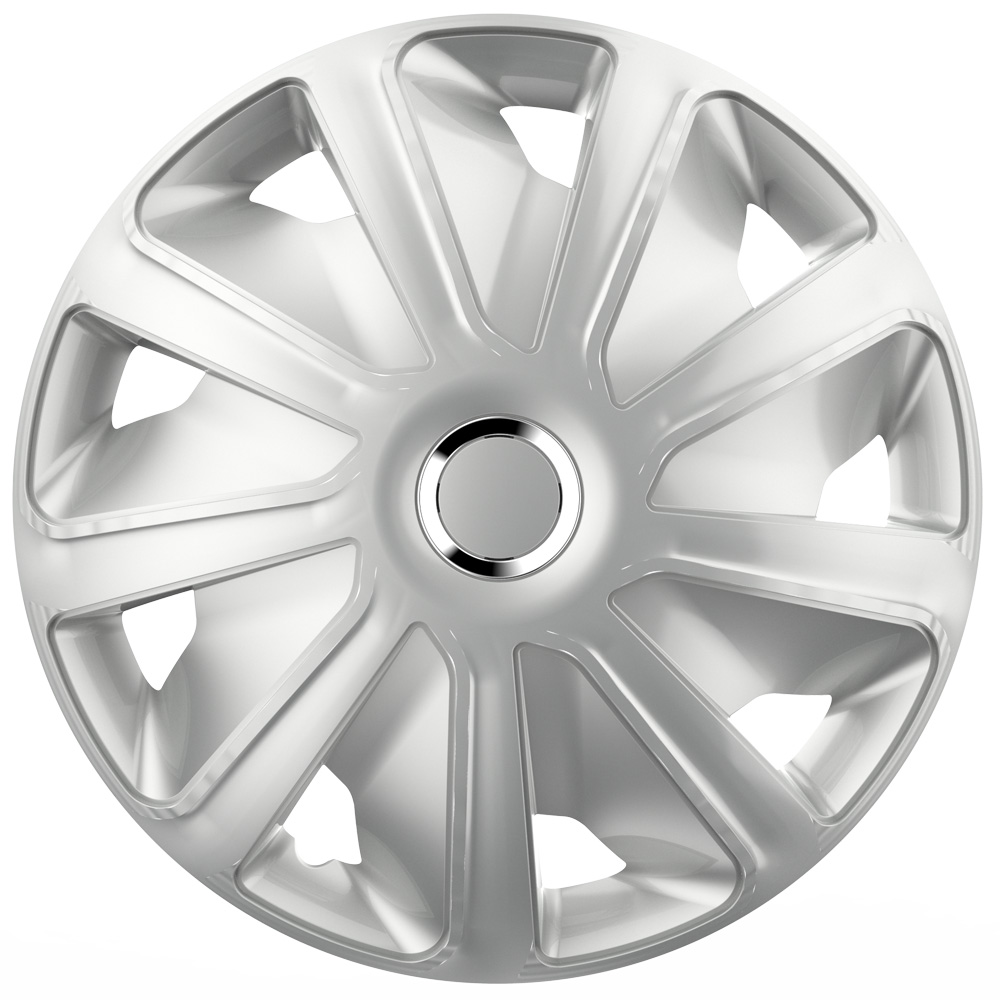
The practical steps for selecting and correctly installing wheel cover sets on working vehicles involve several technical checks:
Measuring the nominal diameter of the steel wheel and checking its profile to avoid obstructing brake disc ventilation.
Selecting a model equipped with a metal tension ring, which stabilizes the elastic clips against vibrations caused by damaged road surfaces.
Evaluating cost-effective market alternatives designed to provide similar weather resistance while optimizing operating costs.
Securing the wheel cover evenly around the wheel rim by applying equal pressure at each attachment point until it is fully seated.
This mechanical procedure is not suitable for alloy wheels or wheel assemblies with excessively protruding external bolts. Such configurations require dedicated fastening systems that attach directly to the wheel hub bolts.
The Cridem platform offers certified components for light commercial vehicles, efficiently managed from its logistics center in Oradea. Once installed, the wheel cover protects the wheel and withstands the mechanical stresses associated with long-distance driving.
Preparing Your Fleet for Safe Operation
Equip each commercial vehicle according to the specific requirements of its routes. Choose wheel covers for vans after accurately measuring the steel wheel and checking its profile. ABS plastic models equipped with a metal retaining ring provide secure attachment against vibrations during long journeys. Always verify that the component's ventilation openings allow unrestricted airflow toward the wheel hub and brake discs.
Access your customer account through our online platform to order the appropriate set for your fleet. You can request real-time assistance via live chat or telephone for compatibility information. Add the required products to your shopping cart and complete your order for processing at our central warehouse. Benefit from certified products and fast delivery directly to your workshop.
FAQ
What Determines Whether Wheel Covers Are Compatible with Van Wheels?
Mechanical compatibility is determined by the depth of the wheel cover profile, which must accommodate the convex steel wheels commonly used on commercial vehicles, as well as the nominal wheel diameter. Models designed for standard passenger cars have a flatter base and cannot be securely attached to the convex center of a commercial vehicle wheel.
What Causes Wheel Covers to Crack Along the Outer Edge While Driving?
Cracking occurs when brittle plastic cannot withstand the flexing and torsional forces experienced by wheels carrying heavy cargo loads. Flexible premium ABS materials absorb these mechanical stresses generated by uneven road surfaces without fracturing.
How Resistant Are These Components to Extreme Temperature Changes?
ABS material resists photochemical degradation and repeated heating cycles generated by the braking system. The polymer structure is designed to maintain structural rigidity and limit permanent deformation during prolonged operation.
When Are Wheel Covers with Elastic Clip Fastening Not Recommended?
This solution is not suitable for alloy wheels with special fastening systems or commercial wheels equipped exclusively with heavy-duty external bolts and no mounting rim. In these situations, installation requires dedicated mechanical fastening elements attached directly to the wheel hub bolts.


