





















Flush rail vs raised rail vs fixpoint – what’s the difference and which roof bars fit

🏷️ Flush rail vs raised rail vs fixpoint – what’s the difference and which roof bars fit
🔍 Understand your roof type and choose the right roof bars
When choosing roof bars for your car, the roof type is the key factor that determines compatibility.
Terms like flush rail, raised rail or fixpoint often appear in product descriptions, but many drivers don’t fully understand their meaning or which system is suitable.
👉 Not sure what roof type your car has?
See: What type of roof does my car have
👉 Want the full explanation of all roof types?
Read: Car roof types – complete guide for choosing roof bars
This guide clearly explains the differences and helps you choose the right system.
🚗 What does flush rail mean
Flush rail refers to a longitudinal rail integrated into the car roof, with no gap between the rail and the roof.
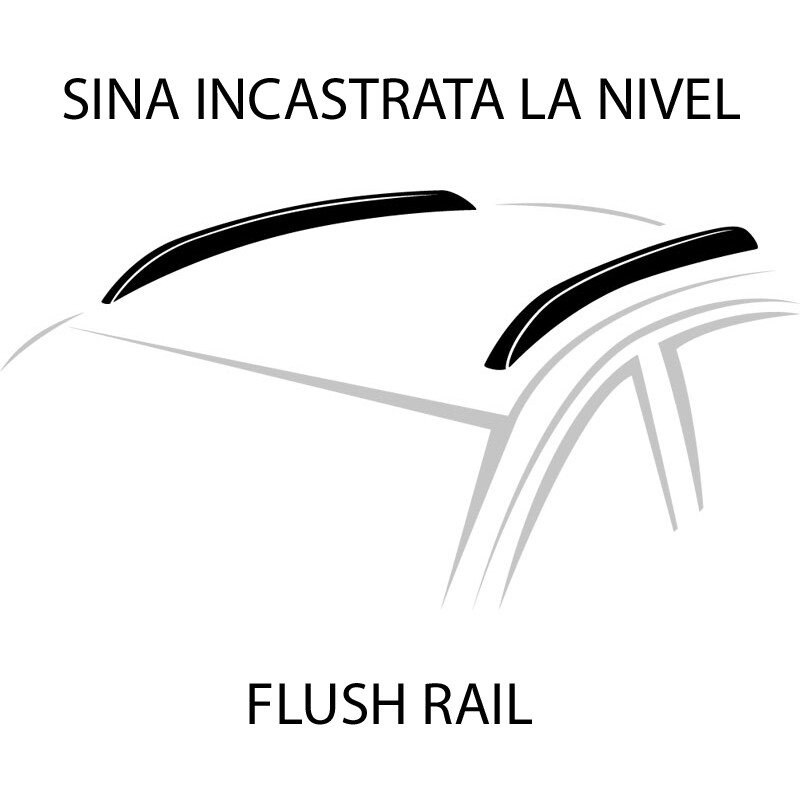
Main characteristics:
✔ the rail is attached directly to the roof
✔ no space underneath
✔ aerodynamic and modern design
Common on:
✔ SUVs
✔ station wagons
✔ premium models
👉 Requires dedicated roof bar feet designed for flush rails
🚙 What does standard railing mean (raised rail)
Raised rail is a longitudinal rail mounted above the roof, with visible space between it and the car body.
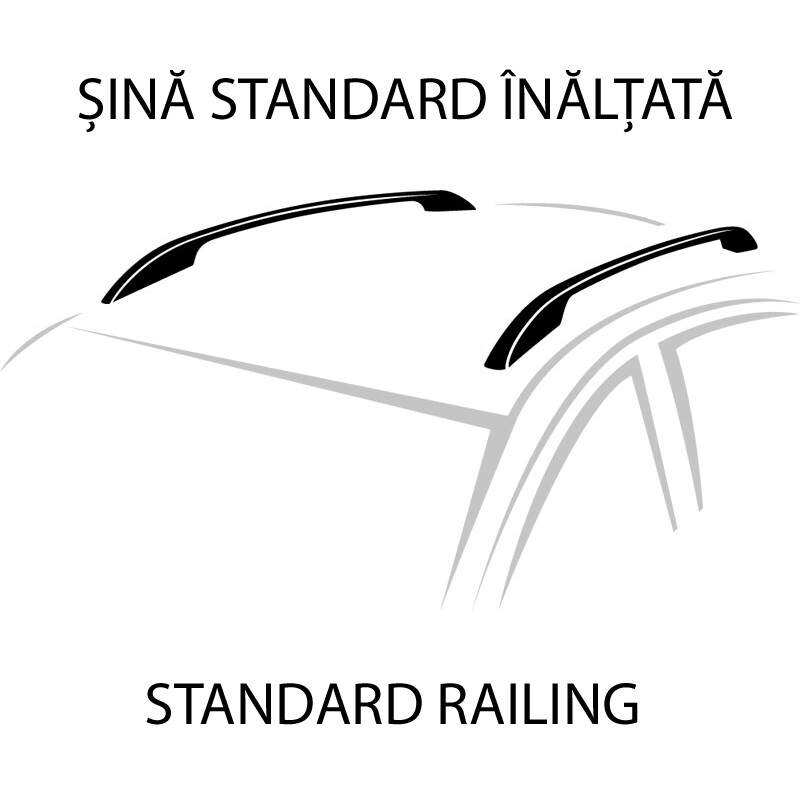
Main characteristics:
✔ visible gap between rail and roof
✔ you can place your hand under the rail
✔ very easy installation
Common on:
✔ SUVs
✔ station wagons
✔ family cars
👉 Roof bars attach directly to the rails
🔧 What does fixpoint mean
Fixpoint refers to dedicated mounting points built into the vehicle roof.
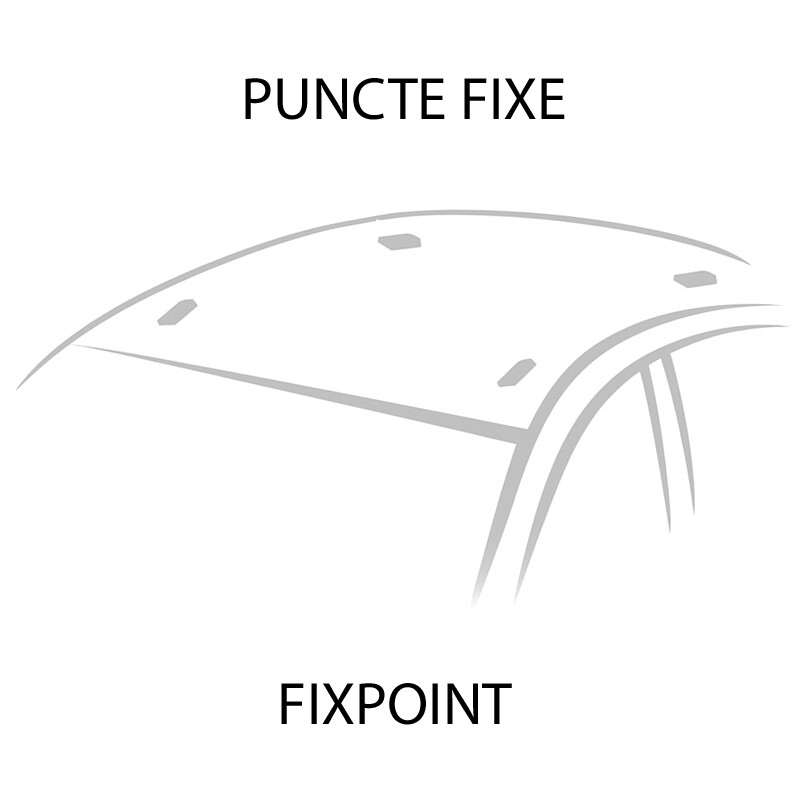
Main characteristics:
✔ hidden under covers
✔ usually located above the doors
✔ threaded mounting points
👉 Designed by the manufacturer for precise and secure installation
⚖️ Difference between flush rail, raised rail and fixpoint
The main difference lies in how the roof bars are mounted:
Flush rail
✔ integrated rail
✔ requires dedicated system
Raised rail
✔ elevated rail
✔ direct mounting on rails
Fixpoint
✔ threaded mounting points
✔ direct mounting to roof
👉 Correct identification is essential for compatibility
🔍 How to identify your roof type
To identify your roof type, check if your car has:
✔ longitudinal rails
✔ hidden mounting points
✔ completely flat roof
👉 The vehicle manual or compatibility tables provide accurate information
❌ Common mistakes
❌ choosing bars only by model
❌ ignoring roof type
❌ using incompatible universal systems
❌ installation without dedicated kit
👉 Using an incompatible system affects safety and stability
❓ Frequently Asked Questions
Which system is easiest to install?
✔ Raised rail – direct mounting
Flush rail vs raised rail – main difference?
✔ Flush rail = integrated
✔ Raised rail = elevated
Can I install roof bars on fixpoint?
✔ Yes, it’s a dedicated system
How do I check my roof type?
✔ vehicle manual + visual check
🧾 Conclusion
Flush rail, raised rail and fixpoint are the most common roof bar mounting systems.
Choosing the right one starts with identifying your roof type.
A compatible system ensures safety, stability and proper installation.
👉 For correct selection, see: Car roof types – complete guide
👉 See compatible roof bars on portbagajulmeu.ro (Romanian website)
🔗 Useful guides for choosing roof bars
✔ How to choose the right roof bars for your car
✔ What type of roof does my car have
✔ Car roof types – complete guide


