



















Proper Cleaning and Maintenance of Car Wheel Covers

Effective Wheel Cover Maintenance Without Fading
Discover how to properly clean and maintain Cridem wheel covers, preventing scratches and fading while extending their lifespan.
Choose the Right Products: Efficient Cleaning Solutions
Wheel covers, such as those in the Cridem range, are manufactured from premium ABS and painted with eco-friendly water-based paint, requiring cleaning products that will not damage the finish. Using unsuitable products can affect the integrity of both the material and the paint, leading to fading or premature deterioration.
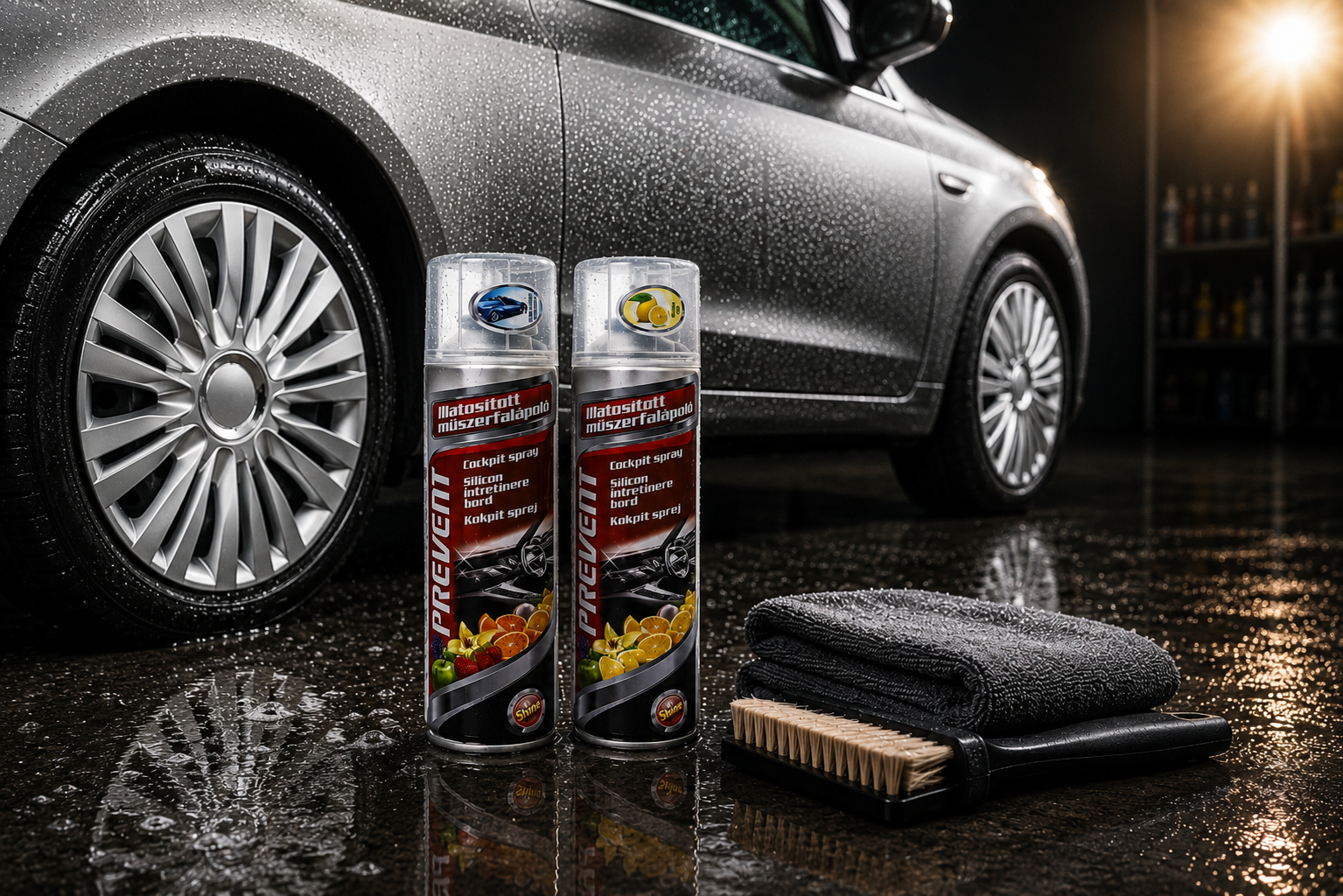
For maintaining plastic, artificial leather, and rubber components, Prevent Silicone Dashboard Spray (500 ml) is available in New Car and Lemon variants, offering gentle cleaning and a protective layer. It helps prevent dust accumulation and maintain the original appearance of materials, making it ideal for both matte and glossy wheel cover finishes, such as the Spark BL Gloss Black and Active RC GR Matte Graphite models.
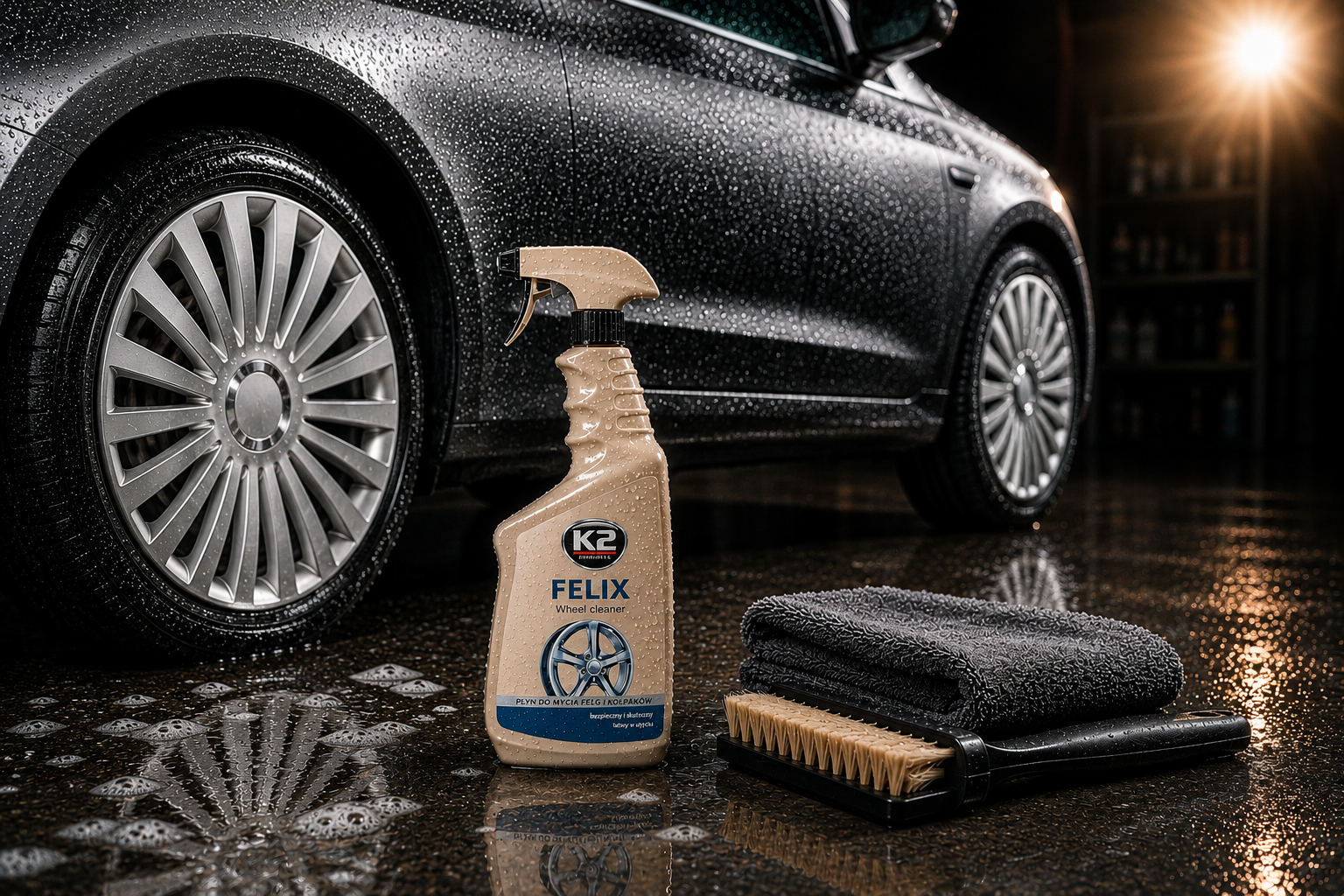
When wheel covers are constantly exposed to brake dust, mud, road salt, and other contaminants, the use of a dedicated wheel and hubcap cleaner is recommended. An excellent choice is K2 Felix 770 ml, a specially formulated solution designed to effectively remove stubborn dirt, oil residues, and brake system deposits. Its formula contains corrosion inhibitors that help protect surfaces and prevent rust formation after washing. The product is safe for alloy wheels and plastic wheel covers, leaving surfaces clean, shiny, and protected.
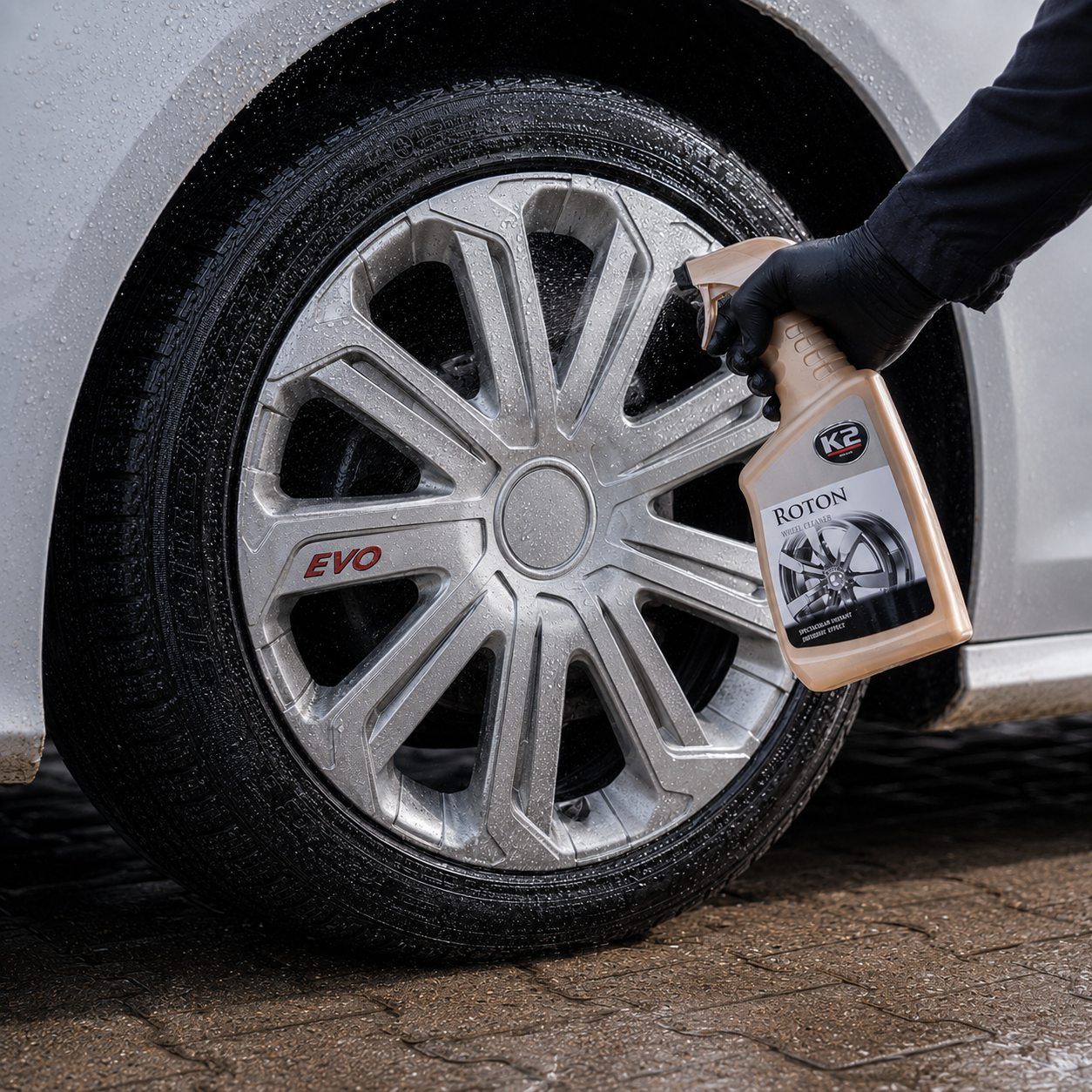
For deep cleaning, especially when dealing with heavy brake dust deposits, K2 Roton 700 ml is one of the most effective solutions available. Its active formula reacts with metallic particles and accumulated contaminants, turning a deep red color known as the “bleeding wheels” effect. This visual indicator shows that the dirt has been dissolved and can be easily rinsed away. The product’s main advantage is its powerful cleaning action without the use of aggressive acids, making it safe for aluminum, steel, chrome-plated, painted wheels, and wheel covers with delicate finishes.
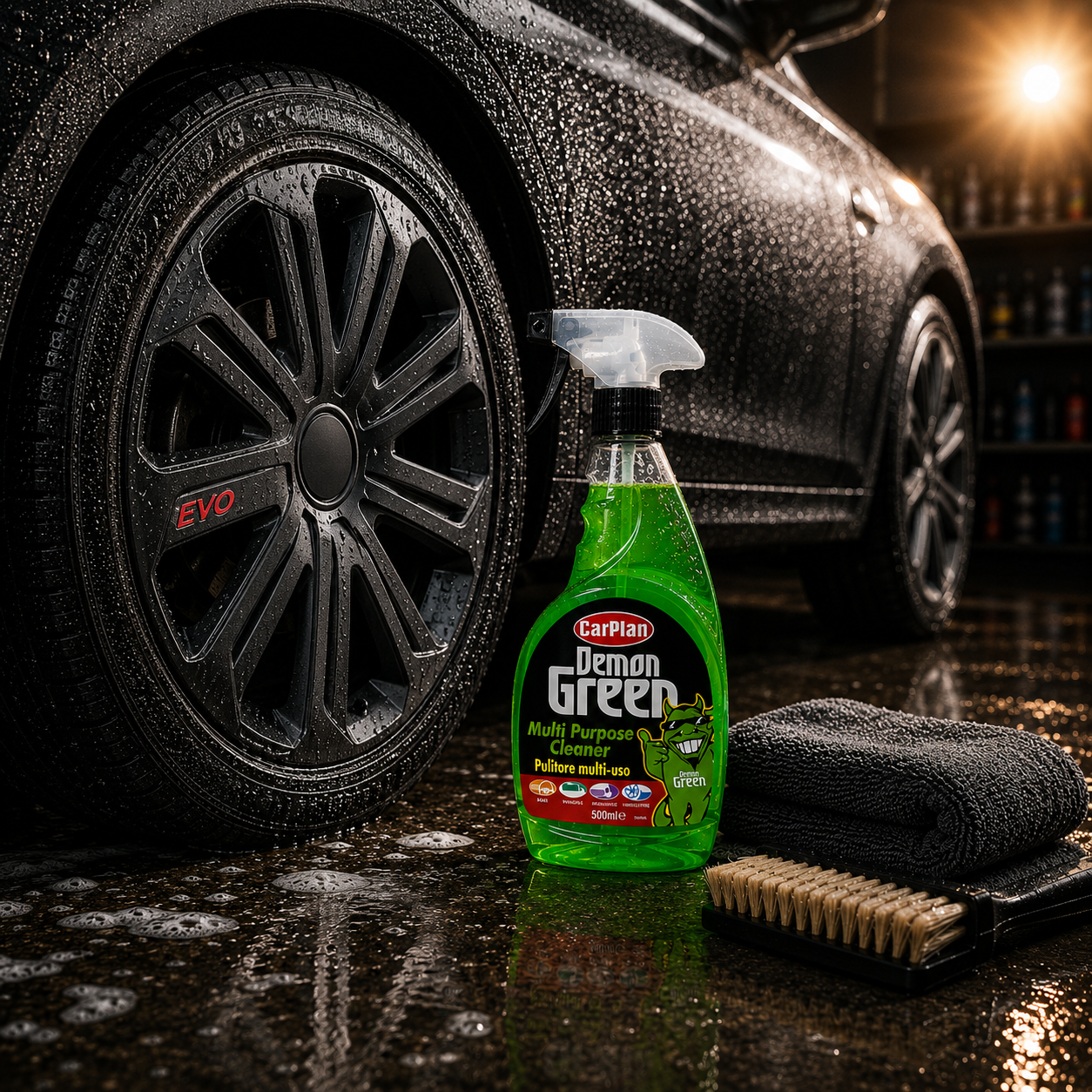
If you are looking for a multifunctional solution for maintaining your entire vehicle, including wheel covers, CarPlan Demon Green 500 ml is a practical choice. This universal cleaner effectively removes dust, grease, and dirt from hard surfaces such as plastic, vinyl, windows, and dashboards, and can also be used for routine wheel and tire cleaning. In addition, its anti-static effect reduces future dust accumulation, helping maintain a clean appearance for longer.
Combining a dedicated wheel cleaner such as K2 Felix or K2 Roton with maintenance products for plastic and decorative surfaces, such as Prevent Silicone Dashboard Spray and CarPlan Demon Green, is the most effective way to keep wheel covers clean, shiny, and protected from environmental factors. Regular maintenance not only improves the vehicle’s appearance but also helps extend the lifespan of wheel covers and their finishes.
Apply Proper Techniques: Washing and Drying Wheel Covers
To clean wheel covers effectively, careful hand washing is essential, avoiding excessive water pressure that could damage the finish. Begin by rinsing the covers with a low-pressure water jet to remove coarse dirt and accumulated dust. Then apply a dedicated pH-neutral automotive cleaning solution over the entire surface. Use a soft brush or sponge to gently scrub, focusing on areas with grease deposits or stubborn stains without scratching the material.
After washing, rinse the covers again with clean water, ensuring all detergent residues are completely removed. Thorough drying is crucial to prevent water spots and limescale deposits, which can affect the glossy or matte appearance of the covers. Use high-quality microfiber cloths with excellent absorbency to wipe each cover. These cloths are ideal because they are gentle on the surface and do not leave lint or marks. For best results, dry the covers within 10–15 minutes after rinsing.
Protect the Surfaces: Preventing Scratches and Damage
Preventing scratches on wheel covers can be achieved effectively through the application of protective coatings and proper storage. Protective coatings such as ceramic sealants or self-adhesive protective films minimize the risk of superficial scratches by providing a sacrificial layer that absorbs minor impacts. These can be applied in one or two layers depending on the desired level of protection.
The premium ABS material used in Cridem wheel covers significantly contributes to impact and wear resistance, offering durability up to three times greater than standard impact-resistant plastics. For optimal protection, wheel covers should be stored individually, ideally in fabric bags or cardboard boxes, to avoid direct contact with objects that could cause scratches.
Storage should take place in a dry environment at temperatures between 5°C and 25°C, away from direct sunlight, to maintain the material’s integrity over the long term.
Maintain the Color: Preventing Fading and Dulling
Fading and dulling of wheel covers are often caused by prolonged exposure to UV rays and contact with aggressive chemicals. The eco-friendly water-based paint used by Cridem requires specific protection against ultraviolet radiation to maintain its integrity. To prevent degradation, it is recommended to periodically apply a UV-protective coating, which can extend color longevity by up to 25%.
Using silicone-based dashboard care products, such as those from the Prevent range, helps restore shine and protect plastic surfaces from external factors. These products create a protective barrier, reducing the dulling effect caused by sun and rain by approximately 30%. Regular cleaning, at least once a month, with dedicated products will help maintain the flawless appearance of wheel covers for a period of 3–5 years.
Choose the Correct Installation: Protection Against Loss
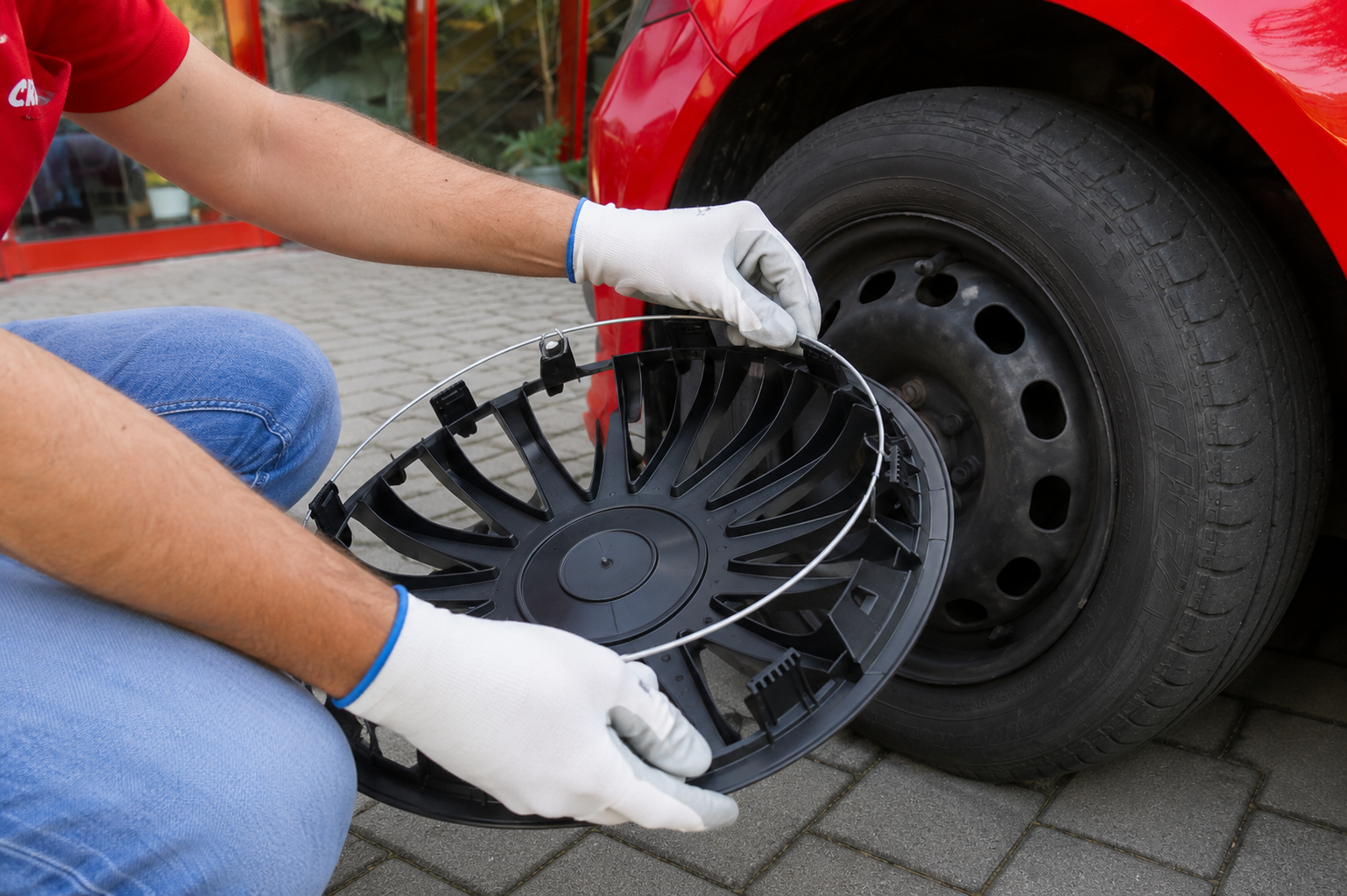
Wheel cover maintenance also involves proper installation, which is essential to prevent them from being lost while driving. Secure attachment is particularly important at speeds above 50 km/h, where aerodynamic forces and vibrations can dislodge improperly fitted covers. There are several mounting systems, each with its own characteristics.
Mounting System | Fixing Mechanism | Advantages | Disadvantages |
|---|---|---|---|
Clip-on | Integrated clips | Quick installation | Higher risk of detachment upon impact |
Retaining Ring with Clips | Tensioned metal ring and clips | More secure attachment | Requires careful adjustment |
Press-Fit Ring | Elastic ring fixed under the wheel rim | Even pressure distribution | Can be more difficult to install |
Tension Ring | Metal ring with screws | Most secure attachment | More complex installation, requires tools |
Wheel covers such as those in the Esprit RC range are designed with secure fastening systems that significantly reduce the risk of detachment. They use robust clips and an adjustable tension ring to ensure a firm grip on the wheel. We recommend checking all four wheel covers every 3,000 kilometers to ensure optimal attachment and prevent accidental loss. Correct installation extends the lifespan of the covers and preserves the vehicle’s appearance.
Identify Common Mistakes: Avoiding Harmful Practices
For effective wheel cover cleaning, it is essential to avoid harmful practices that may compromise their integrity and appearance. The use of abrasive detergents or hard-bristle brushes is a common mistake, as they can scratch or damage the glossy finish of wheel covers, especially those made from premium ABS. These materials require a gentle approach to maintain their quality over time.
Another mistake is ignoring the specific cleaning instructions provided by manufacturers for premium ABS wheel covers. These guidelines are designed to ensure proper maintenance and extend the product's lifespan, which can reach up to five years under optimal conditions. Failure to follow them may result in premature material degradation or color loss.
Neglecting regular cleaning is also a major issue. The accumulation of stubborn dirt, brake dust, and road debris, which can reach a thickness of 1–2 mm, requires additional effort and sometimes more aggressive cleaning solutions for removal. Weekly cleaning sessions lasting only 10–15 minutes prevent difficult deposits from forming and preserve the aesthetic appearance of the wheel covers.
Adapt to the Seasons: Long-Term Maintenance Tips
Wheel cover maintenance should be adapted to the weather conditions of each season to ensure maximum durability. During winter, exposure to road salt and sand can accelerate corrosion, making more frequent washing necessary—at least two to three times per month—to remove aggressive deposits. Low temperatures, which can drop below -10°C, require specially formulated cleaning products to prevent damage to plastic materials.
During summer, high temperatures often exceeding 30°C and prolonged exposure to UV rays can cause rapid fading and dulling of surfaces. It is recommended to apply a protective coating, such as a UV protection spray, every 4–6 weeks to preserve gloss and color integrity. These preventive measures significantly help maintain the appearance and functionality of wheel covers over the long term.
Check Compatibility: Ensuring a Perfect Fit
Choosing wheel covers requires careful verification of compatibility with your vehicle’s wheels. The correct size is crucial and is usually indicated by the wheel diameter in inches, such as 14, 15, or 16 inches. An incorrect fit can result in the cover being lost while driving or becoming damaged. It is recommended to consult the vehicle or wheel manufacturer’s specifications to confirm the exact size required.
It is also important to consider the mounting system, as some wheel covers require metal clips, while others are secured through pressure fitting.
FAQ
What solution is recommended for cleaning wheel covers without damaging the finish?
Premium ABS wheel covers should be cleaned with products specifically designed for automotive surfaces. Solutions such as K2 Felix or K2 Roton effectively remove brake dust and road grime without scratching the surface, making them safe for painted, glossy, or matte wheel covers.
Can I use the same cleaner for wheel covers, wheels, and other vehicle surfaces?
Yes. Multifunctional products such as CarPlan Demon Green can be used for cleaning wheel covers, wheels, tires, and hard interior vehicle surfaces. However, for heavy brake dust deposits, a dedicated cleaner such as K2 Roton or K2 Felix is recommended.
Can I use Akra K2 Engine Cleaner (770 ml) on the exterior of Cridem wheel covers?
Akra K2 770 ml is specifically formulated for cleaning engine exteriors and is not recommended for wheel covers. For wheel covers, a general automotive cleaning product is more suitable to avoid damaging the finish.
When should I avoid using Prevent Shine Caliper/Wheel Paint on Cridem wheel covers?
You should avoid applying Prevent Shine directly to Cridem wheel covers, as it is designed for metal brake calipers and wheels and withstands temperatures up to 200°C. Applying it to premium ABS wheel covers may result in an uneven finish or material damage, as it was not developed for this type of surface.
How long do Cridem Dakar NC wheel covers maintain their appearance considering their premium ABS construction and eco-friendly paint?
Cridem Dakar NC wheel covers, manufactured from premium ABS and coated with eco-friendly water-based paint, are designed for extended durability and can maintain their appearance for several years under normal use and proper maintenance. Their resistance to fading and scratching is enhanced by the quality of the materials used.


