



















Road-Approved Car Accessories: What Is Allowed on Public Roads

Approved car accessories for public roads and off-road use
A practical guide to car accessories approved for public roads and the correct use of equipment intended exclusively for circuits or off-road.
Key points
Car equipment used on public roads in Romania requires officially recognized approval markings to ensure traffic safety.
Lighting systems with LED technology or modified power levels are intended exclusively for off-road trails unless they hold specific road certification.
Films applied to car windows must comply with legal transparency limits and be installed in authorized workshops.
Modifications to wheel geometry or the exhaust system require official technical validation to be driven legally on public roads.
How to recognize a car accessory approved for public roads?
To drive safely, installing an approved car accessory on public roads is a guarantee that the additional equipment does not endanger traffic safety and does not affect other road users. The approval principle certifies that the part has been tested and meets strict road safety technical standards.
Compliant products can be identified by specific European approval markings, such as the letter E followed by a numeric code representing the country that granted the certification, applied directly to the part or its packaging. The absence of these markings indicates that the accessory is intended exclusively for use outside the public road network, on closed circuits, or on private trails. Depending on the category of accessories, compliance requirements vary significantly:
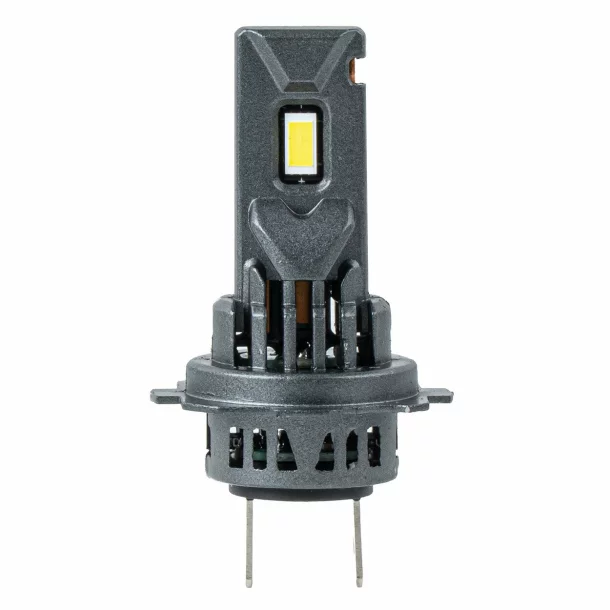
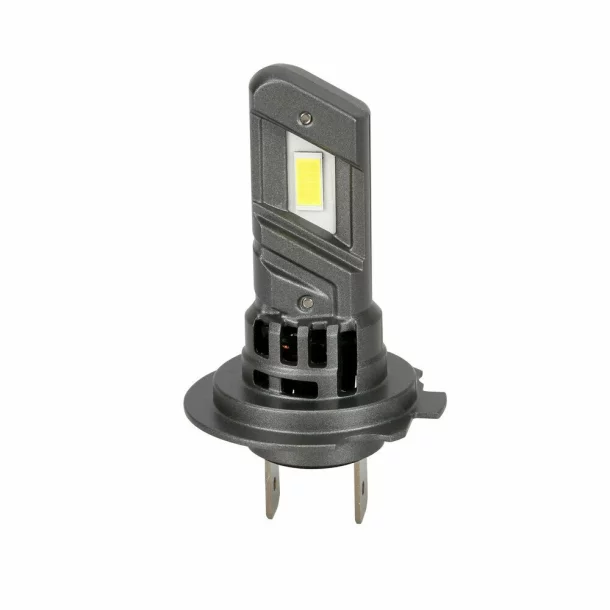
Lighting sources: Devices such as F25 Silver Canbus LED Bulb H7-H18 PX26d / PY26d-1 62W 12V/24V - 2pcs, Halo LED Alien-X Series Quick-Fit Bulb H4 - P43t 24V - 1pc or Halo LED Alien-X Series Quick-Fit Bulb H7 - PX26d 24V - 1pc must be used in compliance with power and intended use specifications. Any bulb installed in headlights must have the appropriate approval marking to prevent blinding other drivers.
Exhaust system: A simple exhaust trim tip mounted at the end of the exhaust does not change noise or emission parameters, but any structural intervention on the exhaust route requires certification.
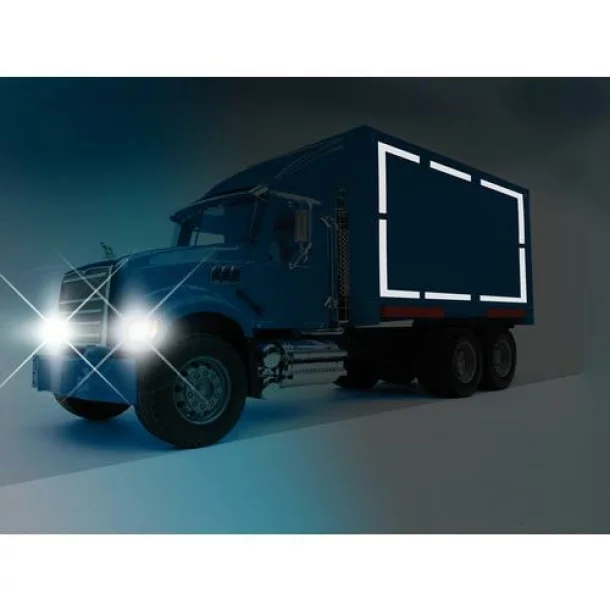
Car window film: The application of film on windows must comply with established transparency limits. Reflective products from the catalog, such as Reflective truck contour film for rigid surface 1m - White, are intended for use on a variety of surfaces, including rigid surfaces, flexible surfaces, windows, windshields, or exteriors, but use on car windows must comply with the opacity limits permitted by law.
Beacons: A yellow beacon can only be used by vehicle categories authorized by law to provide warning during work or special transport.
Geometry and track width: Mod
Are high-power bulbs permitted on public roads?
High-power lighting systems, such as those in the LED range, are designed to provide maximum visibility for off-road driving, on rough terrain, or on closed circuits. Use on public roads of products such as F25 Silver Canbus LED Bulb H7-H18 PX26d / PY26d-1 62W 12V/24V - 2pcs or Halo LED Alien-X Series Quick-Fit Bulb H4 - P43t 24V - 1pc requires verification of compatibility and specific road certification for each individual vehicle.
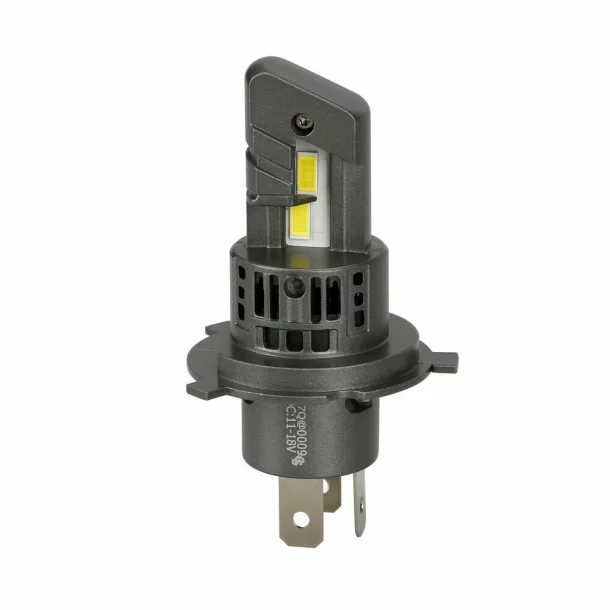
Devices intended exclusively for use off public roads help navigate safely on difficult trails, but can blind other drivers in urban or extra-urban traffic if they are not approved for driving on open roads. To determine if a specific set of approved car bulbs is permitted on public roads for a particular car, it is recommended to check the compliance markings on the packaging and consult specialists at ITP stations or directly at the Romanian Automotive Register (RAR).
What rules apply to films intended for car windows?
Applying film to car windows is strictly regulated to ensure optimal driver visibility from the inside and the possibility of inspection from the outside. Vehicle owners who wish to install film for car windows must know that this modification is legally permitted only under certain clear technical conditions.
Shading films intended for rear side windows or the rear windshield must be certified by technical bodies and applied exclusively in authorized units. These products are designed to reduce heat and solar glare in the cabin, but their installation requires the issuance of a compliance document by the specialized workshop. For front side windows, road safety standards impose strict limits on light transmission, which is why it is essential that any modification be verified at the Romanian Automotive Register (RAR) offices or at periodic technical inspection (ITP) stations to confirm legality on public roads.
In contrast, films with reflective properties from the catalog, such as the Reflective truck contour film for rigid surface 1m - White model, are intended exclusively for use on rigid surfaces of commercial vehicles and are not designed for application on car windows.
How does a simple exhaust trim differ from modifying the exhaust system?
Installing an exhaust trim accessory, which is attached to the end of the exhaust without modifying its structure or route, does not affect the car's operating parameters. This element has a strictly aesthetic role and does not interfere with active components that manage gas flow or noise.
Unlike a simple trim, structural interventions on the exhaust system, such as removing filters, modifying the gas route, or replacing intermediate and final mufflers to obtain a louder sound, require technical re-approval. Any modification that influences noise levels or pollutant emissions must be validated by an authorized institution before driving on public roads.
To better understand the differences between the two approaches, the following aspects can be analyzed:
Type of intervention | Main purpose | Impact on emissions and noise | Approval necessity |
|---|---|---|---|
Exhaust trim tip | Improving the visual appearance of the rear of the vehicle | None, factory parameters remain unchanged | Does not require re-approval |
Modifying the exhaust system | Changing the sound, gas route, or performance | Changes decibel level or exhaust composition | Requires validation at RAR or ITP |
To ensure full vehicle compliance, it is recommended to check the technical specifications of every approved car accessory before installation.
Who has the legal right to use a yellow beacon in traffic?
A yellow strobe beacon is a light warning device used to signal the presence of an oversized or slow-moving vehicle, or one performing special work on a public road. This light signal has the exclusive role of preventing accidents by alerting other traffic participants to a potential danger or a reduced travel speed.
The right to use these light signals is reserved exclusively for vehicle categories provided for by road regulations for specific assistance, transport, or maintenance activities. These include snow removal equipment, towing vehicles, those intended for oversized transport, or cars performing work on road infrastructure.
Mounting and activating a beacon on a civilian car without the legal right associated with the activity performed violates road safety standards. To avoid misunderstandings or traffic sanctions, it is essential that vehicle owners verify the correct classification of the car and the necessity of being equipped with such devices directly at the Romanian Automotive Register or at an authorized ITP inspection station.
How do geometry or track width modifications influence vehicle compliance?
Modifying the track width by using wheel spacers or changing the suspension geometry directly affects the car's stability and dynamic behavior on the road. These modifications are extremely popular in sports competitions or for vehicles specially prepared for difficult off-road trails, where driving takes place outside the public road network. Products intended for off-road use are excellent for rough terrain, offering superior performance in extreme conditions.
For use on public roads, any modification made to the suspension or axle dimensions must be verified and approved through official offices. Buyers who wish to purchase approved car accessories to drive safely on asphalt must ensure that the products hold the necessary certifications. Before performing any transformation on the running gear, a visit to the Romanian Automotive Register (RAR) offices or an authorized ITP station is recommended to verify the technical and legal compatibility of the desired modifications for the respective vehicle.
FAQ
How can I check if a car accessory is permitted on public roads?
Verification is done by identifying the European approval marking on the product or packaging and by consulting the compatibility list. For full safety, a visit to an ITP station or the Romanian Automotive Register offices is recommended.
Can I use accessories intended for off-road use on my personal car?
Accessories marked for off-road use are excellent for private trails, rough terrain, or closed circuits. Their use on public roads is restricted if they do not hold specific road approval.
What risks does installing non-approved LED bulbs for public roads involve?
Non-approved LED bulbs can disperse light incorrectly, risking blinding other drivers and reducing overall safety. Also, they can lead to rejection during the periodic technical inspection.
Is it permitted to apply reflective films on car windows?
No, reflective contour films are intended exclusively for freight transport vehicles and trucks for signaling dimensions. Only certified shading films can be applied to car windows, within the permitted transparency limits.


