






















A Fresh Interior for the New Season

Car Upholstery Cleaning After Vacation: Autumn Guide
Evaluating the Car Interior After Vacation: What Requires Immediate Attention?
Cleaning the car upholstery is the first essential step in restoring the interior after summer trips, when fine sand, dust from unpaved roads, food debris, and persistent stains from sunscreen or perspiration inevitably accumulate in the seat fibers. This procedure is not merely a matter of aesthetics, but a technical necessity before the cold season sets in.
The transition to autumn brings a significant increase in atmospheric humidity and frequent rainfall. If organic dirt and dust remain embedded in the structure of the materials, the moisture retained inside will turn the passenger compartment into an environment conducive to the rapid development of mold and bacteria, generating unpleasant odors that are difficult to eliminate later. Timely cleaning helps maintain a cleaner environment inside the car throughout the rainy months.
The success of the operation depends directly on correctly identifying the surfaces inside the vehicle, as different materials require specific chemical treatments:
Classic textile upholstery: These materials retain dust deep within the fibers and require active foams or solutions with strong degreasing power to dissolve organic stains.
Natural or synthetic leather surfaces: These materials are sensitive to dehydration and require gentle formulas capable of cleaning without damaging the protective layer, while also providing hydration to prevent cracking caused by temperature changes.
Correctly assessing the condition of the seats and determining the type of material ensures the proper choice of cleaning methods, preventing accidental damage to the interior finishes.
Deep Vacuuming of Solid Debris: Preparing the Surfaces
Removing the floor mats and initially preparing the carpet. The process of preparing the passenger compartment for autumn begins by removing all floor mats from the vehicle, thus providing direct access to the underlying carpet. Using dedicated equipment, such as a wet and dry car vacuum cleaner, allows the efficient extraction of coarse dust, sand, and dried soil accumulated deep within the textile fibers during summer journeys.
Detailed vacuuming of hard-to-reach areas. Special attention should be paid to narrow spaces, seat seams, and the area where the backrest meets the seat cushion. Food debris, crumbs, and solid particles frequently accumulate in these areas and, under the influence of increased autumn humidity, can encourage the development of mold and unpleasant odors inside the vehicle.
Cleaning large surfaces and thick carpeting. For large vehicles, where the textile surface is extensive and the carpeting has a high density, using a vacuum cleaner for heavy-duty vehicles provides the suction power required to completely remove solid impurities. This deep dry-vacuuming stage is recommended before applying any wet solution, in order to prevent fine dust from turning into mud during the car upholstery cleaning process.
Applying Chemical Treatments to Textiles: Dissolving Difficult Stains
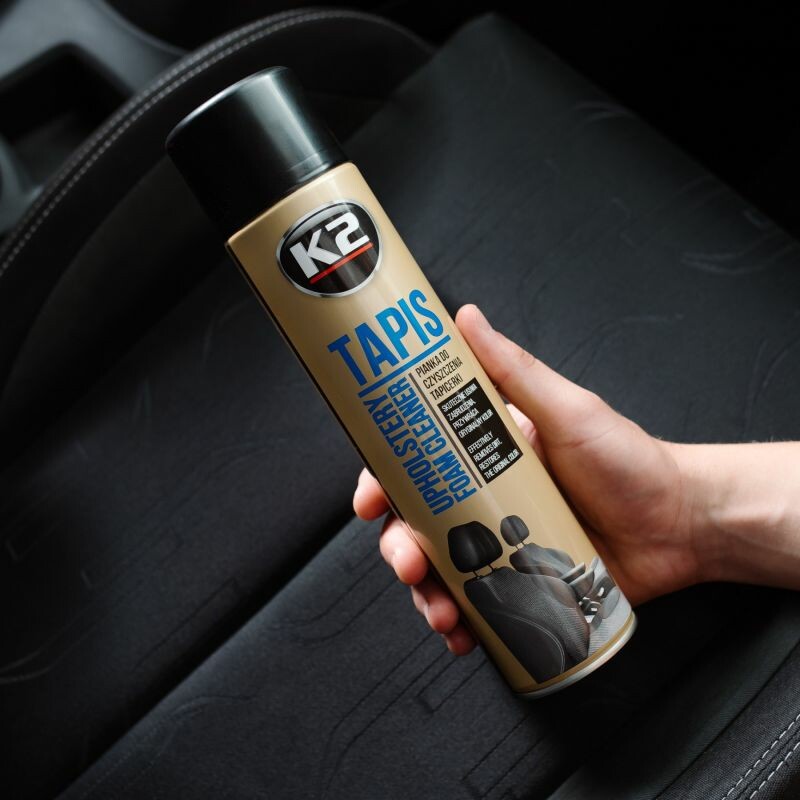
Spray Tapis K2 Upholstery Cleaning Spray 600ml directly onto areas affected by persistent beverage stains or food debris accumulated during summer journeys.
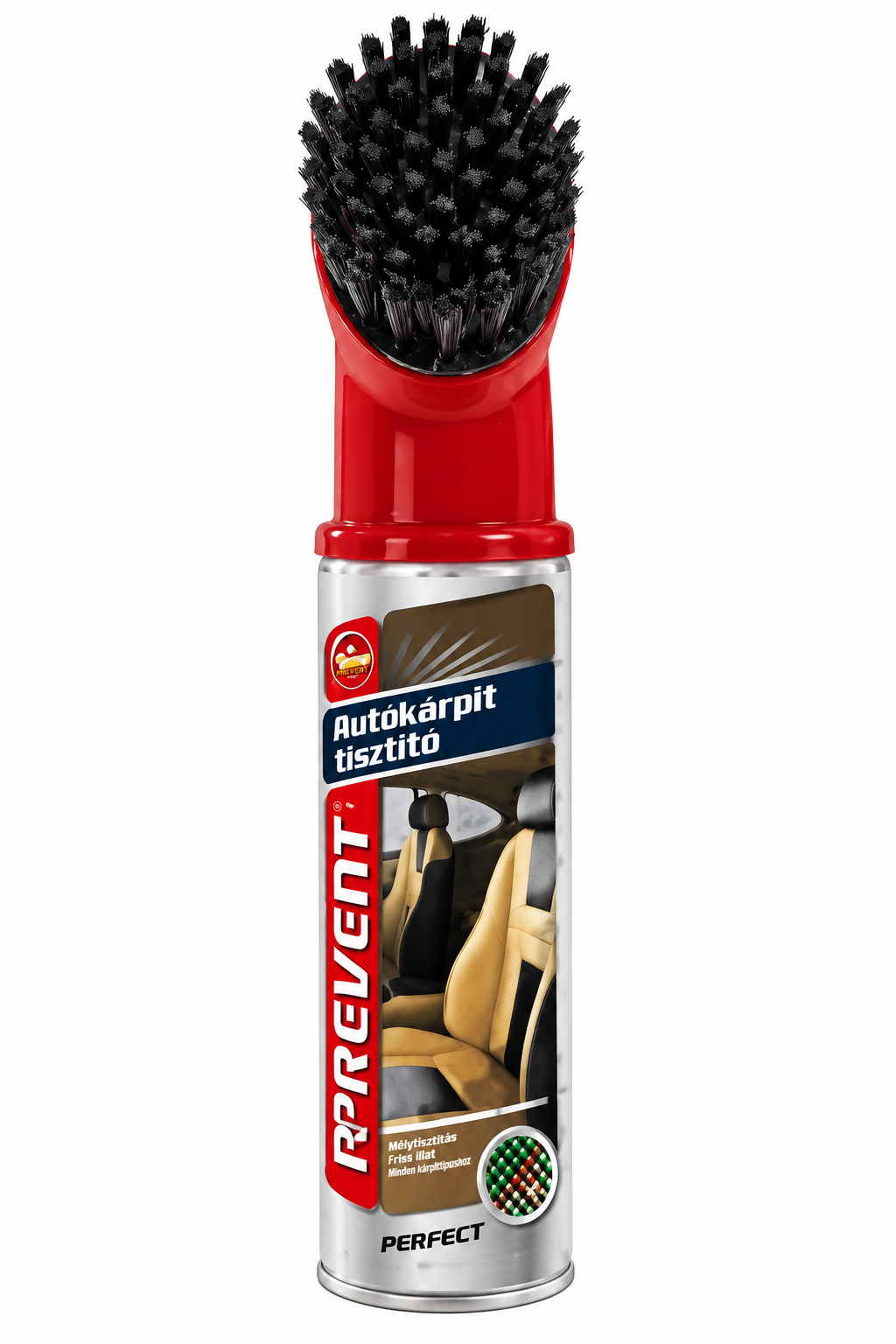
Apply Prevent Upholstery Cleaning Aerosol with Brush 300ml to work the active foam deep into the textile fibers, an action that removes embedded dirt and helps restore the original colors of the material.
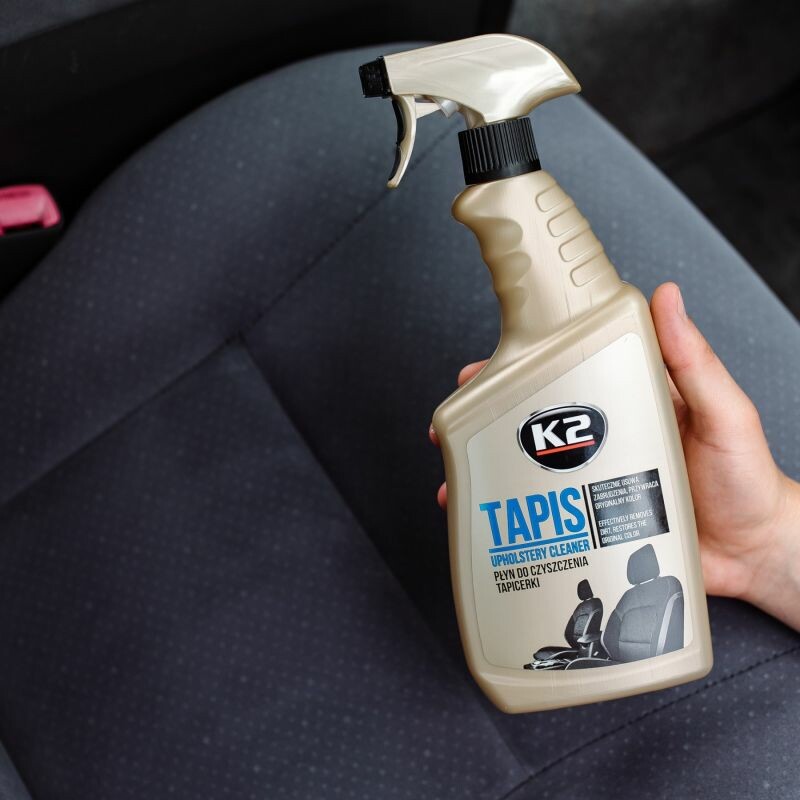
Use a large-volume solution, such as Tapis K2 Upholstery Cleaning Solution 750ml or the professional 5-liter version, to evenly cover the seats and carpeting, or other products from the range for cleaning and maintaining textile materials and leather during the autumn interior preparation stage.
Allow the active foam to act on the textile surface according to the manufacturer's specific instructions, followed by firmly wiping the area with a clean microfiber cloth to completely extract the dissolved residues.
The chemical cleaning process is complete when the textile fibers are completely dry, leaving the surfaces clean.
How to Properly Clean Leather Upholstery Before the Autumn Cold?
Preparing the passenger compartment for the cold season requires special attention to sensitive surfaces, as sudden drops in temperature and moisture brought by precipitation affect the elasticity of the materials. Natural and synthetic leather require a completely different approach from textiles, making it essential to avoid universal active foams that can prematurely dry out the material structure and encourage cracking. To maintain the flexibility of the surfaces, interior car detailing must be carried out using dedicated products capable of cleaning without removing the essential natural oils from the protective layers.
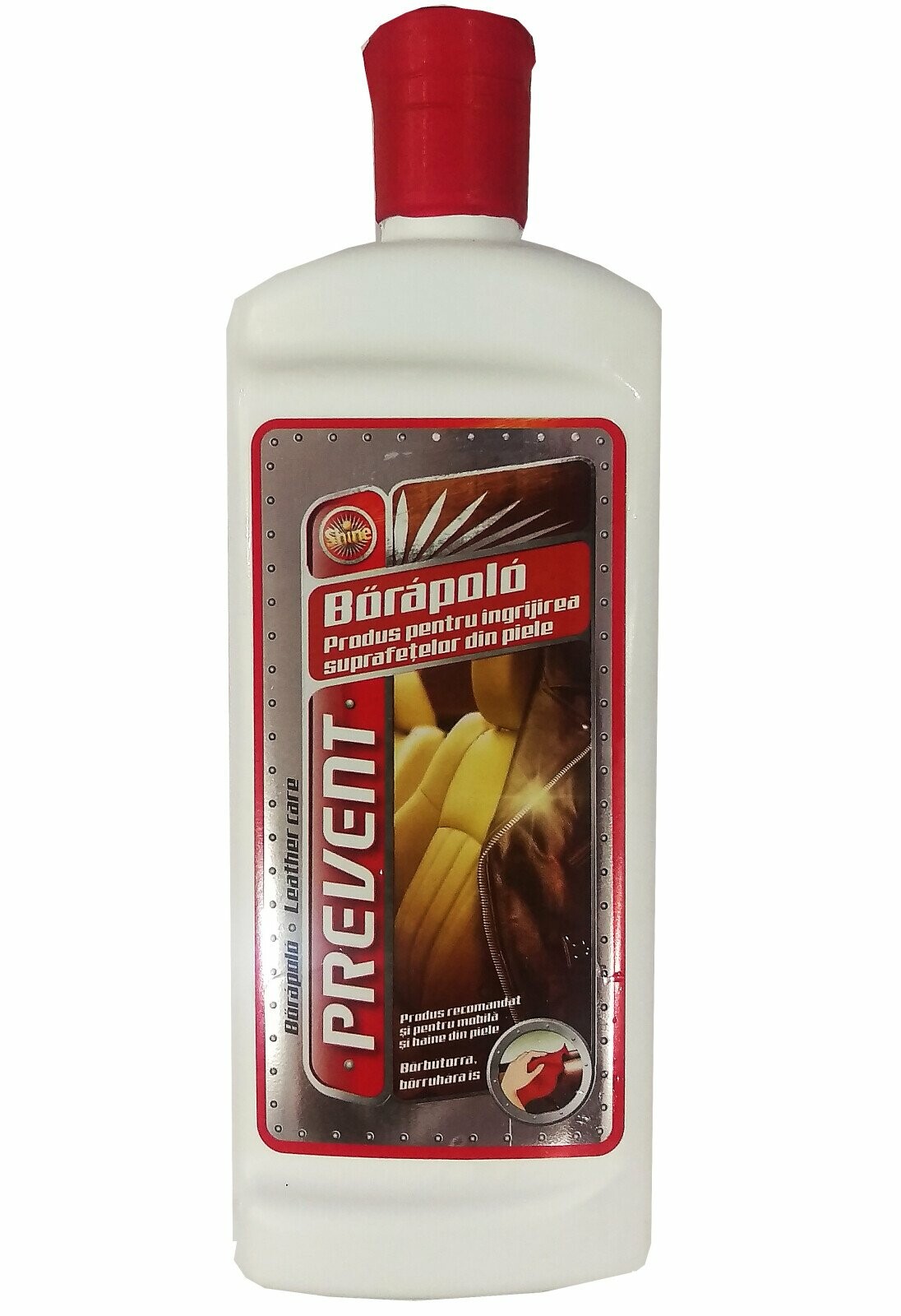
Applying Prevent Leather Care Solution 375ml ensures gentle cleaning, removing residues accumulated during the summer, such as dust or traces of sunscreen. This treatment hydrates the fibers and helps protect against cracking caused by temperature changes during the cold season, keeping the surface soft.
For extended protection throughout the wet months, using Letan K2 Leather Cleaning and Care Solution 250 ml provides an effective barrier against moisture brought in by wet clothing during autumn.
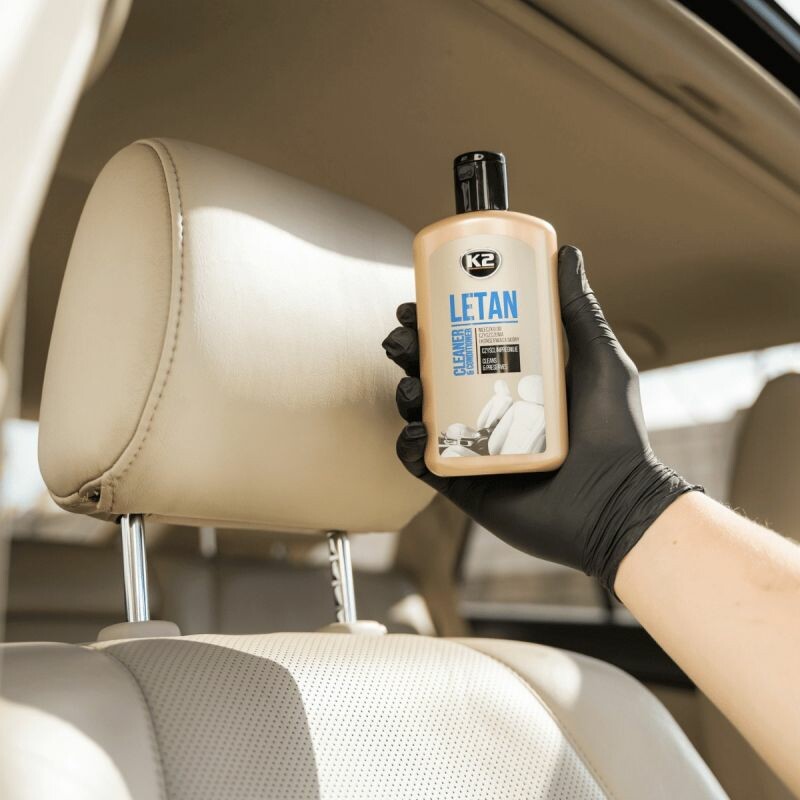
This formula helps limit water penetration into the pores of the material and reduce wear caused by friction, contributing to preserving the appearance of the passenger compartment.
Car leather maintenance method | Main purpose in autumn preparation | Effect on the material | Usage recommendation |
|---|---|---|---|
Deep hydration | Prevention of stiffening and cracking at low temperatures | Maintains elasticity and restores essential oils | Apply to clean and dry surfaces |
Hydrophobic barrier | Protection against moisture from clothing and precipitation | Helps limit water penetration into the pores of the finish | Used as a final sealing layer |
Drying and Ventilating the Passenger Compartment: Preventing Unpleasant Odors
Complete drying of the passenger compartment is the critical stage that determines the success of any cleaning operation, especially during the transition to the cold season. After completing the wet-cleaning process, leaving the doors open in a well-ventilated space is essential to allow water to evaporate quickly from the deeper layers of the materials.
Avoiding use of the vehicle until the textile fibers are completely dry is an essential rule for preventing musty odors and mold. When moisture remains trapped within the structure of the seats, subsequently turning on the air conditioning or heating will intensify unpleasant odors, turning the passenger compartment into an environment conducive to bacteria.
The drying process should not be rushed by closing the car with the windows slightly open; only a constant flow of clean air in an open or well-ventilated space guarantees the complete removal of water from the upholstery foam.
To ensure fresh air inside the vehicle and permanently neutralize sources of unpleasant odors, the deodorizing properties of the Tapis K2 Upholstery Cleaning Solution range are recommended. This product helps remove stains from fabric, leaving behind a subtle fragrance, ideal for preparing the car before autumn arrives.
Choosing Between Injection-Extraction and Active Chemical Solutions for Autumn Cleaning
Preparing the passenger compartment for the cold season requires a clear decision regarding the cleaning method, as residual moisture becomes difficult to eliminate as autumn temperatures decrease. Injection-extraction vacuum cleaners are used for upholstery cleaning and are designed to extract dust and debris from textile fibers. This mechanical method physically removes dirt together with the water used, leaving the material only slightly damp, which significantly reduces the time required for complete drying before the first autumn rains arrive.
On the other hand, dedicated upholstery cleaning solutions, manually applied as foam or spray, are ideal for quick, targeted treatment of recent coffee or juice stains or marks left by luggage. These active formulas work on the surface, dissolving dirt through emulsification, but require particular attention during the rinsing and manual drying stage using microfiber cloths. For complete cleaning, it is recommended to use chemical solutions to treat stains, followed by vacuuming the surfaces with equipment available in our range.
Choosing the Right Autumn Cleaning Method According to the Condition of the Passenger Compartment
The decision between using an injection-extraction vacuum cleaner and applying active chemical solutions depends directly on the condition of the upholstery after the summer season. For cars that have accumulated fine sand, food debris, and deep perspiration stains during long journeys, an injection-extraction vacuum cleaner is the optimal option. This equipment washes the textile fibers deeply by injecting water mixed with a special detergent and immediately extracting the dirty liquid, significantly reducing drying time before outdoor temperatures drop sharply.
In contrast, chemical solutions in foam or spray form are ideal for quick maintenance and hard-to-reach areas where a large applicator cannot work effectively. These products act on the surface, dissolving localized dirt without excessively wetting the material, an extremely important consideration when prolonged ventilation of the vehicle is no longer possible due to cold autumn weather. For a professional result, specialists recommend combining the two methods, using chemical solutions to pre-treat difficult grease or beverage stains, followed by general cleaning using an injection-extraction vacuum cleaner.
FAQ
How do you choose between an active foam spray and a concentrated liquid upholstery cleaning solution?
The choice depends on the extent of the dirt. A Tapis K2 Upholstery Cleaning Spray is ideal for quick applications and localized stains, while the liquid Tapis K2 Upholstery Cleaning Solution 5 liters is intended for general cleaning of the entire passenger compartment.
What can happen if textile upholstery remains damp during autumn?
Persistent moisture in textile fibers, combined with low autumn temperatures, leads to mold growth, deterioration of the seat foam, and unpleasant odors that are difficult to eliminate.
When should wet cleaning of car seats be avoided?
Heavy wet cleaning should be avoided if the seats are equipped with active electric heating systems or sensitive occupancy sensors, in which case only quick-drying dry foams, such as Prevent Upholstery Cleaning Aerosol 300ml, are recommended.
Are 12V car vacuum cleaners suitable for injection-extraction cleaning?
No, a Carpoint Wet/Dry Car Vacuum Cleaner - 12V - 135W is designed for vacuuming solid debris and surface moisture and does not have the water pumping and injection function deep into the fibers that is specific to professional cleaning machines.


