






















A New Season, a New Look for Your Car

Winter Wheel Covers: How to Choose the Right Model When Changing Tires
Switching to winter tires on steel rims requires choosing winter wheel covers adapted to difficult road conditions. Drivers are often faced with the decision between simple decorative covers or durable ABS models with an aerodynamic profile and firm mounting. This guide analyzes technical selection criteria to ensure exact vehicle compatibility and a neat exterior appearance.
Quick Verdict
Choosing winter wheel covers depends strictly on the diameter marked on the tire sidewall after the letter R.
Steel rims benefit from an additional layer of shielding against the massive accumulation of mud and road grit.
Flexible ABS-type polymers offer superior resistance to mechanical shock compared to brittle rigid plastics.
Mechanical cleaning of the rim before securing the clips prevents the accidental detachment of accessories while driving.
Flexible ABS covers vs. rigid plastic covers: what separates the winter options?
Choosing winter wheel covers depends on the flexibility of the composition at low temperatures, where the difference between polymers dictates impact resistance. Products manufactured from ABS plastic material retain their structural elasticity on frozen asphalt, preventing premature wheel damage.
Technical criterion | Flexible ABS covers | Rigid plastic covers |
|---|---|---|
Thermal behavior | Maintains structural elasticity below zero degrees | Becomes brittle as temperatures drop |
Mechanical shock resistance | Absorbs curb impacts and gravel without cracks | High risk of cracking from road grit and impacts |
Clip integrity | Allows repeated mounting without permanent deformation | Clips frequently fail under mounting pressure |
Rim stability | Supports a firm grip on pronounced bumps | Constant vibrations can loosen the initial fixation |
Paint adhesion | Offers increased resistance to washing and de-icing substances | Protective layer can peel off at stress points |
During winter, steel rims are permanently exposed to road grit, mud, and anti-icing materials. Conventional rigid plastic models become brittle at negative temperatures. Constant vibrations transmitted by uneven road surfaces produce micro-cracks at the attachment points of these rigid variants. A minor curb impact can instantly break the mounting clips, leading to the cover detaching while driving.
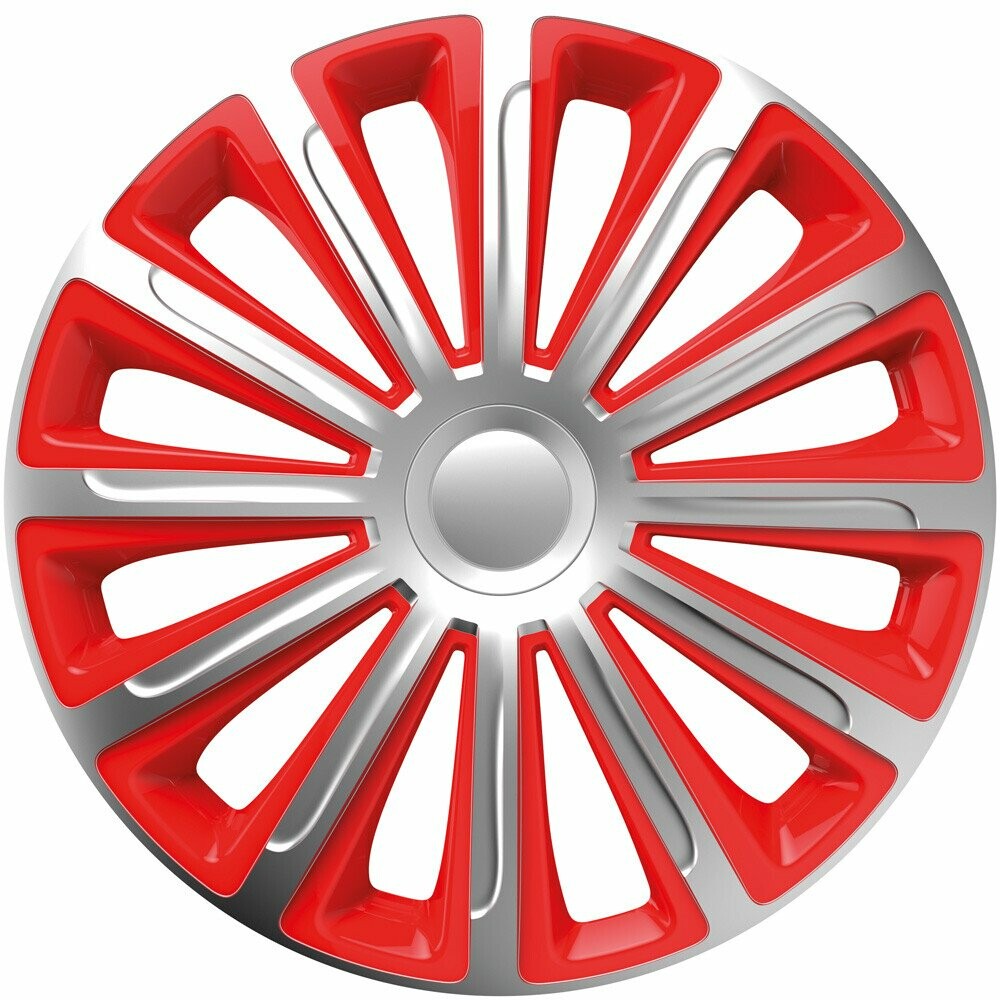
Premium ABS molded covers efficiently manage these mechanical stresses. Elastic clips evenly distribute pressure across the rim circumference and allow stable fixation on rough roads. For example, the offer includes auto wheel covers designed to improve vehicle aesthetics. For users who prefer silver finishes for wheels or a two-tone design, the range of ABS wheel covers includes models such as Set capace roti auto Cridem Trend 4buc - Argintiu/Rosu - 16'', designed from durable material.
How to identify the correct rim diameter before installation?
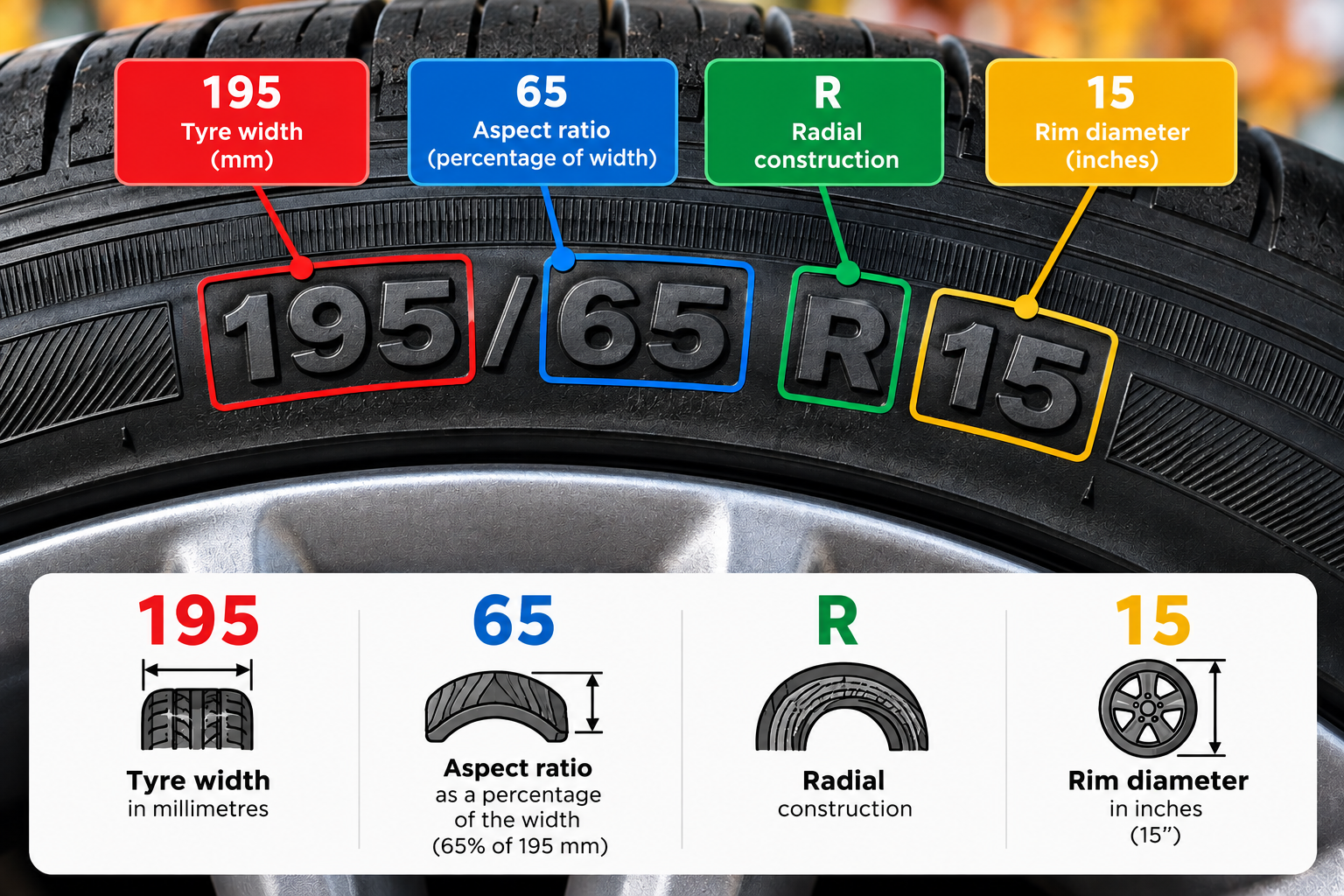
The correct rim diameter is identified directly by reading the standardized code inscribed on the sidewall of the tire mounted on the car. The letter R, followed by a number, precisely indicates the outer diameter of the wheel expressed in inches. To determine the size without errors, checking the tire involves the following practical steps:
Reading the complete sequence of dimensions printed on the rubber, for example 195/65 R15.
Identifying the number placed immediately after the letter R, which defines the rim diameter.
Direct association of that value with the corresponding accessory, where the R15 marking requires a 15-inch cover.
Manual measurement with a tape measure across the outer face of the wheel generates major deviations. The profiled lip of the steel rim adds extra millimeters beyond the useful contact area. This empirical method frequently leads to the purchase of unsuitable parts, impossible to fix correctly on the car.
Strict dimensional matching remains essential for safety. It is not possible to mount a product with a different diameter on steel rims, even if the difference seems minor. A piece that is too small will not catch the clips on the metal profile at all. An oversized accessory will break the ABS plastic clips upon the first forced mechanical contact.
When changing winter tires, choosing winter wheel covers depends exclusively on this one-to-one correspondence between the tire marking and the part diameter. The mounting system with flexible clips and the pre-tensioned metal ring functions optimally only on the nominal size designated by the vehicle manufacturer.
Which design favors wheels on wet and muddy roads?
On wet and muddy roads, spoke geometry and the type of finish determine how clean the wheel stays. Choosing winter wheel covers depends on the balance sought between ease of washing and masking traces left by traffic. Each exterior profile reacts differently to splashes of dirty water and accumulated debris:
Multi-spoke structures ensure balanced brake ventilation and maintain a classic dynamic style during winter.
This alternation of tones effectively masks superficial deposits of dust coming from the brake pads.
Closed finishes or combinations of black with chrome inserts give the vehicle an aggressive touch. The dark surface blurs the visibility of gray stains left by dried dusty water.
Configurations provided with wide slots allow direct access of the high-pressure water jet. This open space facilitates the quick cleaning of the dense layer of mud accumulated on steel rims without removing the protection.
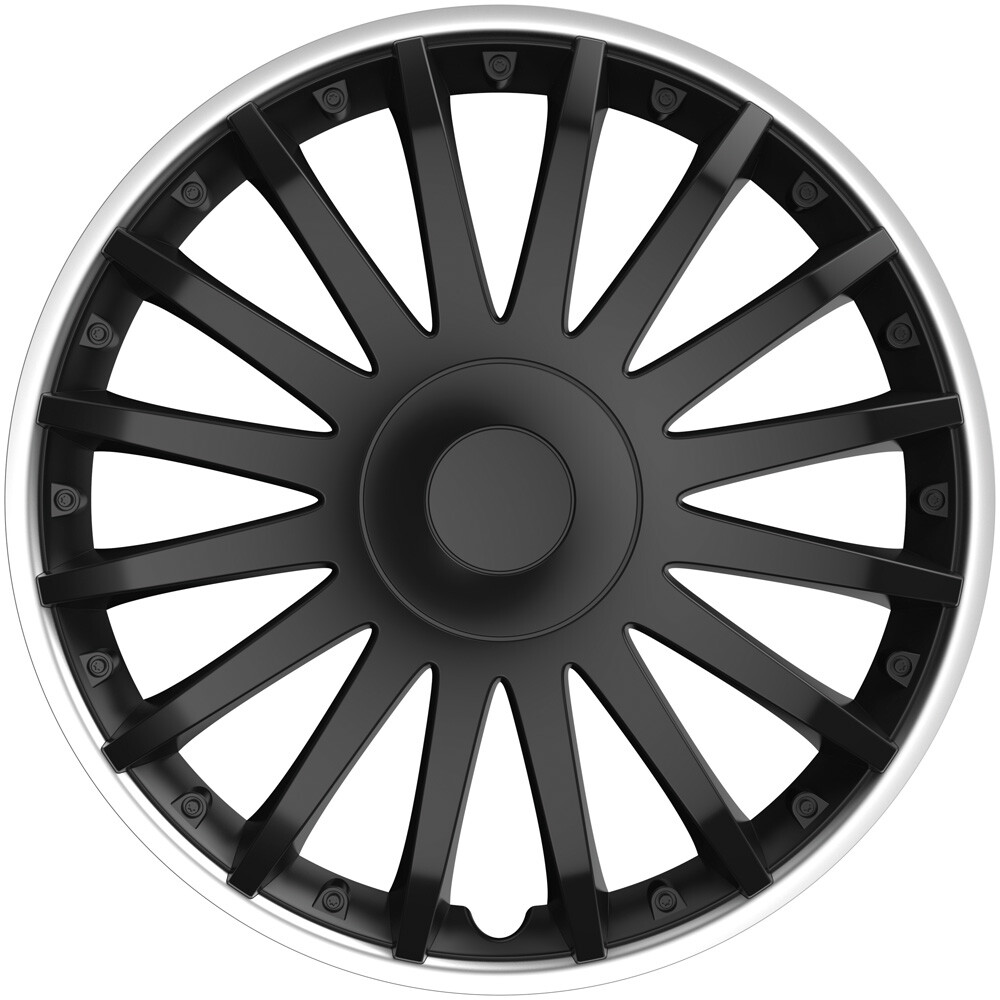
A surface with generous cutouts reduces the accumulation of slush inside the wheel. Periodic washing of the metal discs through these slots prevents persistent deposits of abrasive debris throughout the entire cold season.
Clean the rim surface: stable installation without risks
Thorough cleaning of the surface on which the wheel accessories are mounted prevents accidental detachment while driving. Removing superficial rust and mud deposits from the rim lip ensures the uniform seating of the mounting clips. Any layer of impurities accumulated on steel rims alters the contact profile. This deviation prevents the correct seating of the elastic elements on the circumference. Proper wheel preparation involves going through a few clear mechanical steps before fixation:
Complete cleaning of the metal edge using a coarse brush to remove oxidation crusts.
Degreasing the contact zone to allow the ABS plastic claws to adhere directly to the metal.
Inspecting the integrity of the rim lip to exclude deformations caused by mechanical shocks from the roadway.
Positioning the part requires maximum attention to the constructive details of the assembly. Checking the alignment of the cutout for the air valve prevents asymmetrical tensioning of the metal tension ring. An incorrectly pressed valve pushes the accessory lip outward. This mismatch deforms the wire ring and compromises the stability of the entire running assembly. When installing winter wheel covers, symmetrical positioning on the groove ensures resistance to vibrations on uneven roads.
Final installation does not require hard tools or direct blows with rigid objects. Progressive circular pressing by hand guarantees complete clipping without forcing or pinching the plastic fastening system. Pushing always starts from the valve area and continues simultaneously on both sides toward the opposite part. A firm press distributed equally with both palms successfully fixes the clips in the designated slot, eliminating the risk of breakage at low temperatures.
When is it preferable to keep rims without covers in the cold season?
Keeping steel rims without ornamental elements is indicated when driving conditions or the technical state of the wheels cancel the practical advantages of an additional installation. Although vehicle aesthetics suffer, certain operating contexts require strict functionality to the detriment of exterior appearance. Giving up exterior accessories becomes the correct decision in two clear technical situations:
Frequent driving on construction sites, forest roads, or macadam surfaces. Large stones, dense mud, and repeated mechanical shocks can quickly break the plastic material, exposing the parts to accidental detachment.
The presence of pronounced mechanical deformations on the outer lip of the steel rim. Geometric irregularities prevent the uniform seating of the tension ring, and the elastic clips no longer ensure adequate retention force during travel.
A wheel hit in the outer flange area loses optimal retention at high vibrations. In these particular working scenarios, equipping with winter wheel covers becomes impractical due to the constant risk of detachment in traffic.
The optimal solution involves geometric straightening on a dedicated rolling table before installing any decorative system. When heavy utility use is permanent, keeping simple wheels eliminates the need for continuous replacement of brittle plastic components.
What finishes offer the best visual contrast on steel rims?
Exterior finishes determine whether winter wheels maintain a sober line or acquire a dynamic appearance similar to alloy wheels. For drivers who mount winter wheel covers, color selection transforms a simple rim into a stylistic element well integrated into the bodywork.
Elements painted entirely in silver shades remain the classic option. These variants reflect light uniformly and effectively mask fine deposits of mechanical dust originating from the brake pads. A wheel with silver spokes maintains a luminous aesthetic, suitable for bodywork in dark shades of blue, gray, or black.
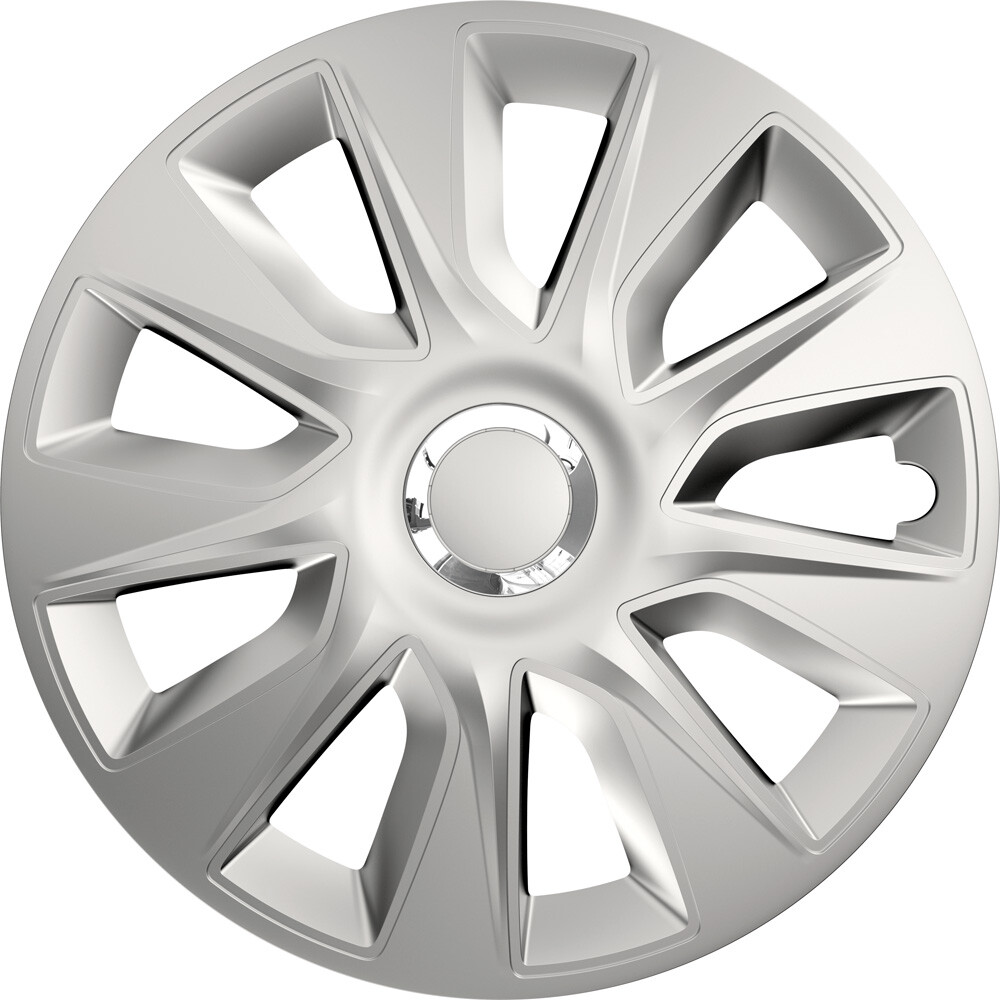
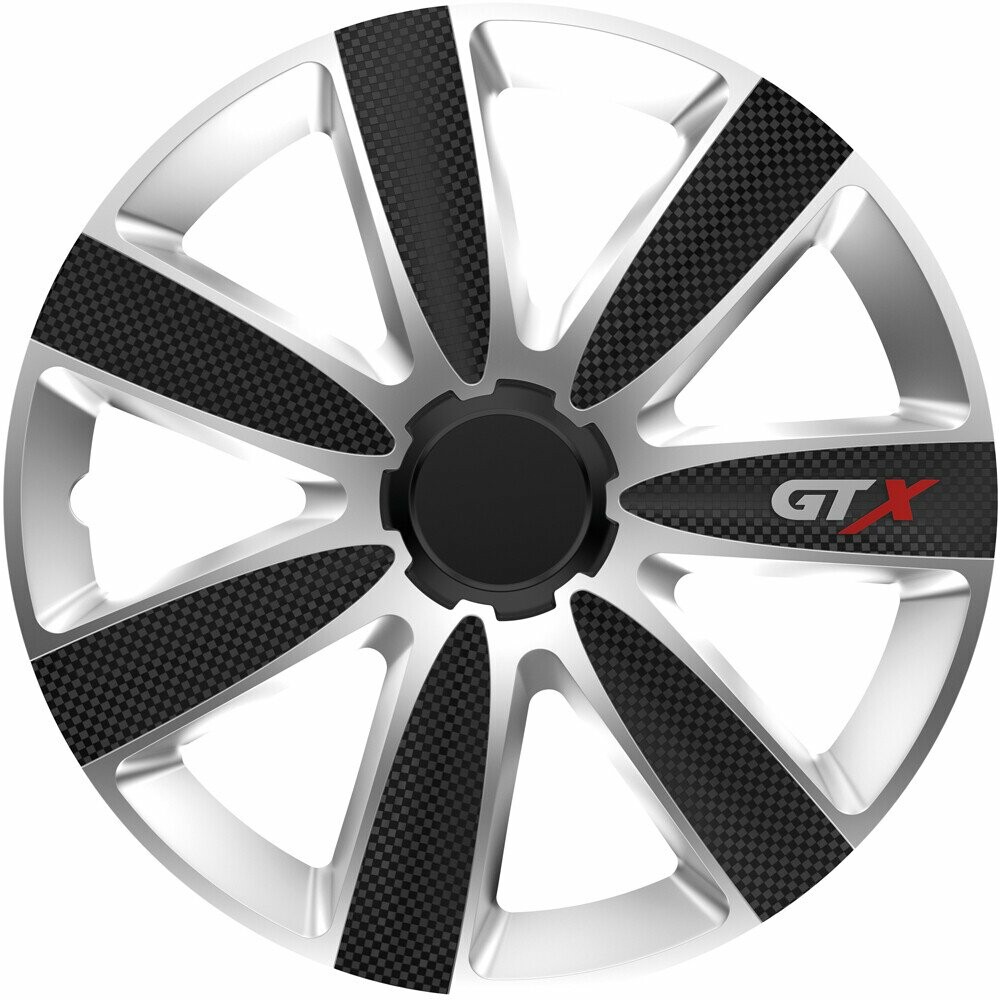
Models with a two-tone design rely on the alternation between matte black surfaces and glossy silver inserts. This combination creates the illusion of a three-dimensional structure, offering the impression of an alloy wheel with cut-out spokes. Contrasting edges draw attention to the center of the hub and reduce the visibility of the steel disc located behind the flexible ABS plastic structure.
Completely black variants offer a technical and discreet profile, often found on utility vehicles or passenger cars with dark aesthetic packages.
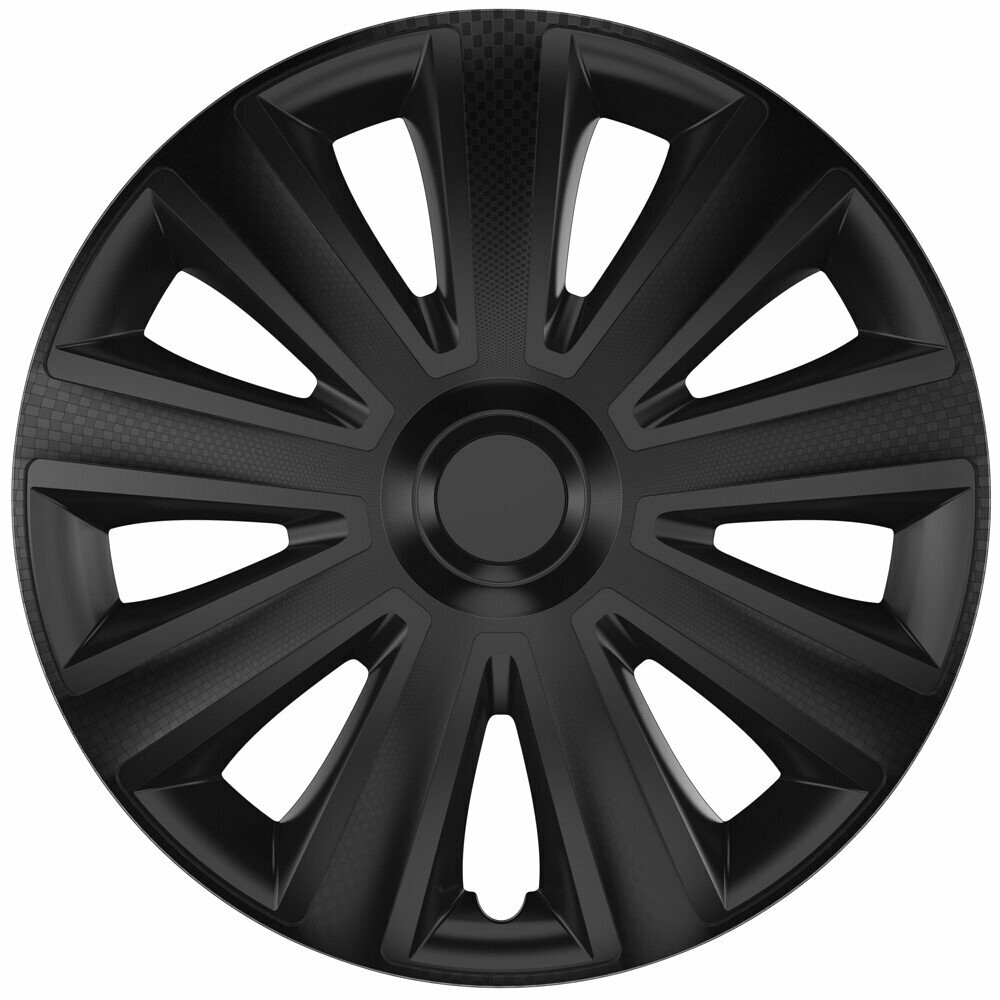
Although they impart a modern air, a completely matte finish tends to highlight the white film left by dried anti-icing materials more quickly. Evaluating these characteristics helps in choosing the finish that best balances style preferences and cleaning effort throughout the winter.
How to check the compatibility of the mounting system?
Wheel stability depends directly on the match between the metal tension ring and the rim profile. Choosing winter wheel covers implies prior checking of the internal mounting channel, because the profile of a steel rim often differs between vehicle models.
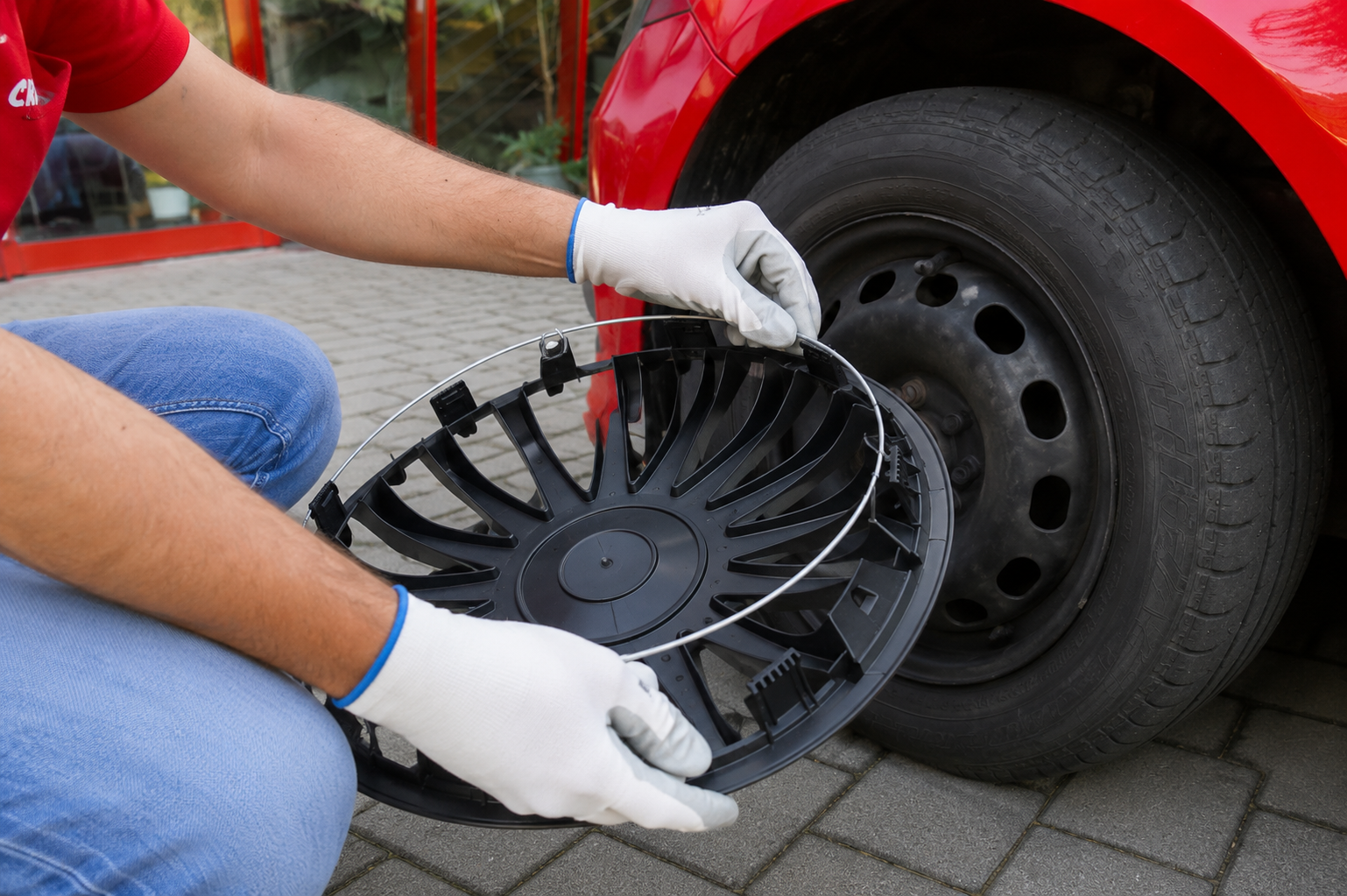
Most variants use a mounting system with elastic clips arranged on the circumference. The circular steel wire ring maintains constant pressure on these clips, preventing detachment from mechanical shocks. If the ring presents a special bend for the inflation valve, correct positioning of the valve aligns it to guarantee uniform seating on the rim.
If the cover goes on too easily or offers excessive resistance during installation, the tension ring allows the exterior diameter to be adjusted. Slight curving of the compensation loop increases or decreases the pressing force on the clips. This mechanical adjustment ensures a rigid fixation and reduces vibrations while driving on uneven roads.
Choosing the right configuration for your driving style
For daily commuting on roadways frequently sprayed with anti-icing material, choose models with wide slots and a silver finish. These variants reduce the time allocated to washing wheels and mask the fine film of technical dust. Drivers aiming for a visual line close to alloy wheels can bet on two-tone geometry. If your routes include industrial areas or unpaved roads, keeping simple wheels remains the practical solution against mechanical damage.
Before placing your order in the cart, read the marking printed directly on the tire to choose the compatible size. Checking the integrity of the metal lip ensures you select these winter wheel covers with the certainty of a secure mounting on the car. Add the desired set to your customer account to benefit from fast delivery directly to your door.
FAQ
How do you determine the correct size when buying wheel covers for the cold season?
The size can be read directly from the tyre by looking at the number immediately after the letter R, for example, R15 indicates a 15-inch diameter. The wheel covers must be exactly the same size as the steel rim on which they are installed.
Do wheel covers provide complete protection against water and de-icing materials?
No, wheel covers do not create a watertight seal around the wheel. They provide a mechanical barrier for the front surface against direct gravel impacts and heavy mud accumulation, but water and road salt can still enter through the ventilation openings.
Can car wheel covers be fitted to original alloy wheels?
No, these accessories are designed exclusively for standard steel rims that have the profiled edge required for the retaining clips. Alloy wheels have a different spoke geometry and do not allow conventional wheel cover mounting systems to be fitted.
How does an ABS wheel cover differ from versions made of rigid recycled plastic?
ABS provides greater resistance to mechanical impacts and retains its structural flexibility at low temperatures. Rigid, brittle plastics tend to break more easily on severely uneven roads or when being fitted in cold weather.


