



















Alloy Wheels or Wheel Covers? Making the Right Choice for the Cold Season

Alloy Wheels or Wheel Covers? What Should You Choose for Protection and Budget?
With the arrival of autumn and the approaching cold season, preparing your car involves more than just changing the tires. It is also the time when many drivers wonder whether it is worth investing in a set of alloy wheels or whether steel wheels fitted with wheel covers represent a more practical and economical solution. The choice influences both the exterior appearance of the car and maintenance costs, especially during the months when roads are covered with rainwater, mud, salt, and anti-skid materials.
Although both options perform the same basic function when compatible with the vehicle, there are important differences in terms of materials, resistance to damage, maintenance, and the required budget. Understanding these differences can help you choose the right configuration for the way you use your car.
What Are the Differences Between Alloy Wheels and Steel Wheels with Covers?
Alloy wheels are generally manufactured from aluminum-based alloys and are available in a variety of designs, sizes, and finishes. Depending on their construction, they may weigh less than steel wheels of comparable dimensions. Their design also allows for spokes of different shapes, which can promote air circulation around the braking system.
Steel wheels are made from steel and are a commonly used alternative for seasonal vehicle equipment. They generally have a lower purchase cost and can be fitted with decorative covers that conceal part of the metal surface. Wheel covers do not replace the wheels and do not contribute to the structural strength of the wheel, but they can improve its exterior appearance and limit the exposure of certain areas to dirt and superficial scratches.
For drivers who already own a set of steel wheels, installing new wheel covers is one of the most affordable ways to change the appearance of their car without replacing the entire set of wheels.
Why Does Wheel Choice Matter During the Cold Season?
During autumn and winter, wheels are constantly exposed to moisture, mud, gravel, and, once freezing conditions appear, salt and other materials used for road de-icing. These conditions can accelerate the deterioration of finishes, especially when metal surfaces already have scratches or areas where the protective coating has been damaged.
Alloy wheels are generally protected by paint and lacquer, but impacts from gravel or contact with curbs can damage this coating. If moisture and saline solutions penetrate beneath the finish, signs of oxidation and peeling may appear. Steel wheels are also vulnerable to corrosion when their protective paint is damaged.
ABS plastic wheel covers do not rust and can cover certain surfaces of steel wheels, reducing direct contact with dirt and particles thrown up from the road. However, they do not seal the wheel and do not prevent water or salt from entering behind them. For this reason, regular wheel cleaning remains necessary regardless of the chosen configuration.
How Does Contact with Curbs Influence Maintenance Costs?
Parking maneuvers in narrow spaces are among the most common situations in which wheels can suffer cosmetic damage. Accidental contact with a curb can leave scratches on the edge of an alloy wheel, affecting both its exterior appearance and the protective coating of the metal.
Depending on the severity of the damage, refurbishment may involve sanding, restoring the finish, and repainting. If the wheel shows deformation or cracks, a technical assessment is necessary to determine whether it can still be used safely.
In the case of steel wheels fitted with covers, superficial contact with curbs may affect only the plastic trim. A scratched or cracked wheel cover can be replaced separately, without changing the wheel, provided the wheel itself has not been damaged. However, a sufficiently strong impact can also damage the metal wheel, regardless of whether a cover is installed.
From a budget perspective, replacing a damaged wheel cover is generally more affordable than refurbishing an alloy wheel with a damaged finish.
ABS Plastic Wheel Covers – A Solution for Changing Your Car's Appearance
Wheel covers are available in a variety of designs, from versions with thin spokes and silver finishes to black-and-silver combinations or models with more compact surfaces. Choosing a different design can visibly change the exterior appearance of a vehicle, even when it is equipped with simple steel wheels.
ABS plastic is frequently used to manufacture these accessories due to its low weight, rigidity, and resistance to normal operating conditions. Depending on the model, attachment is achieved through elastic clips and a metal ring that keeps the cover secured around the edge of the wheel.
An important advantage is the possibility of replacing individual damaged covers when the model is available separately. In addition, installation does not normally require removing the wheel or interfering with the wheel's fastening system.
For those who want to improve the appearance of their wheels before the cold season, a set of wheel covers can be an economical alternative to purchasing new wheels.
When Is It Worth Choosing Alloy Wheels?
Alloy wheels can be a suitable choice for drivers who place greater importance on exterior design and want a particular wheel configuration. The variety of models allows drivers to choose finishes and shapes that complement the appearance of their vehicle.
In certain configurations, alloy wheels can reduce the vehicle's unsprung mass, which may influence suspension behavior. However, this advantage depends on the actual weight of the wheel and should not be assumed solely based on the material from which it is manufactured.
Another consideration is airflow around the brakes. Some open-spoke designs can facilitate heat dissipation, but their effectiveness depends on the specific wheel geometry and braking system.
For everyday use, it is important that the selected wheels comply with the dimensions, permitted load, and other technical specifications approved for the vehicle. Exterior appearance should not be the only selection criterion.
When Are Steel Wheels Without Covers More Practical?
There are situations in which using steel wheels without decorative covers can be a practical choice. Commercial vehicles, cars frequently driven on unpaved roads, or vehicles operating in areas with mud and gravel may benefit from easier access to the wheel surface for inspection and cleaning.
Under such conditions, particles of mud, sand, and gravel can accumulate behind the covers, requiring their periodic removal. In addition, on very uneven roads, improperly secured wheel covers may become detached.
Removing the decorative covers eliminates these inconveniences but leaves the wheel surface more exposed to dirt and cosmetic damage. The choice therefore depends on operating conditions and the driver's preferences.
How Do You Choose the Correct Wheel Cover Size?
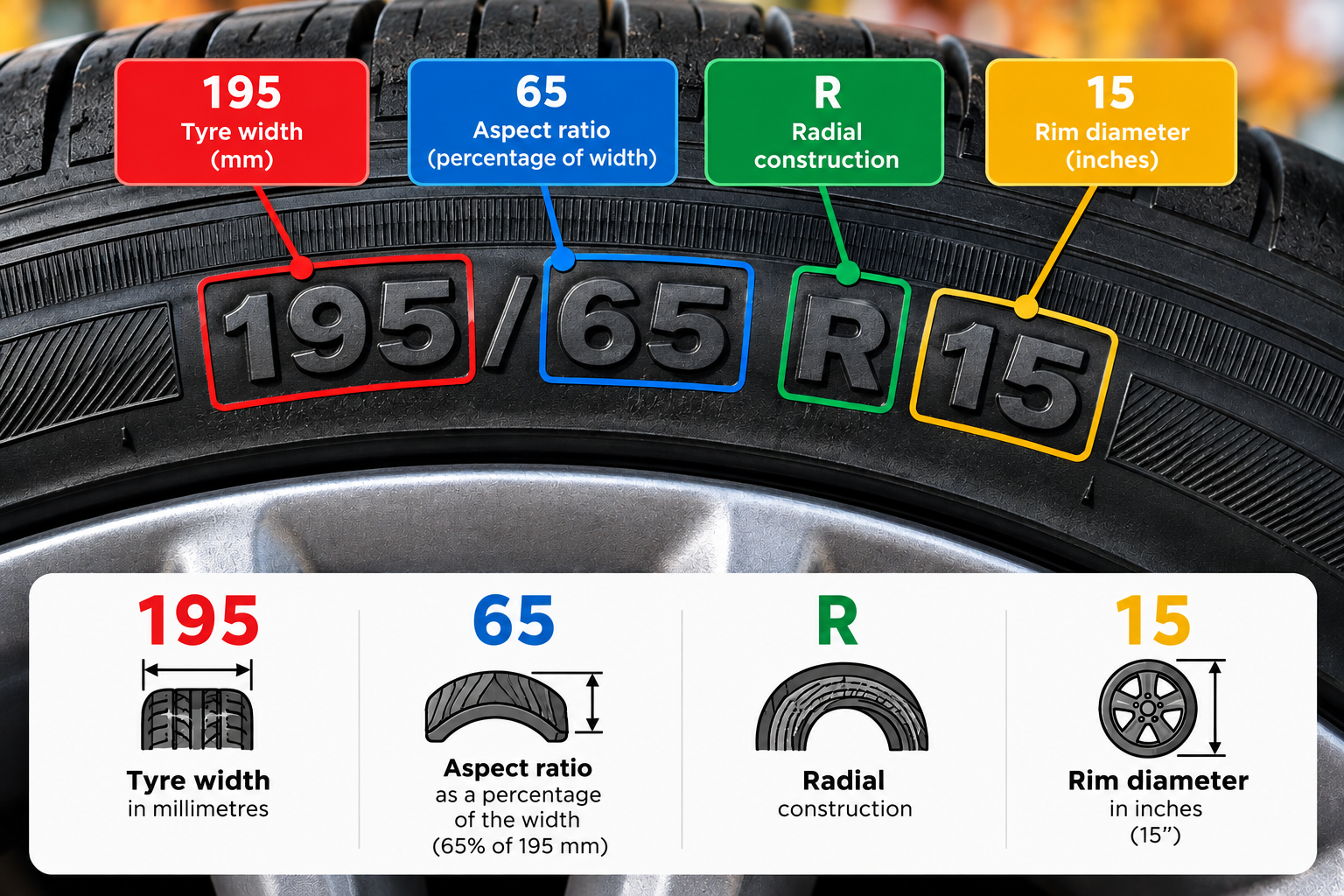
Compatibility is essential when purchasing covers for steel wheels. The first criterion is the wheel diameter, expressed in inches. For example, for a tire marked 195/65 R15, the R15 designation indicates that the tire is intended for a wheel with a diameter of 15 inches.
In this case, you should look for 15-inch wheel covers, provided that the model and fastening system are compatible with the wheel. The same principle applies to common wheel sizes of 14, 16, or 17 inches.
However, the correct diameter does not guarantee complete compatibility. The shape of the wheel rim, the position of the clips, and the fastening system can influence installation. Therefore, before purchasing, it is recommended to check the product specifications and compatibility with the wheel type.
A correctly installed wheel cover must remain firmly attached to the wheel without interfering with the tire valve or other wheel components.
How Do You Maintain Wheels and Wheel Covers During Autumn and Winter?
Regular maintenance helps preserve the appearance of wheels and limit damage caused by dirt and chemical substances. During the cold season, regular washing helps remove deposits of salt, mud, and brake dust.
For alloy wheels, it is recommended to use cleaning solutions compatible with their finish, following the manufacturer's instructions. Products that are too aggressive or abrasive brushes can damage lacquered surfaces.
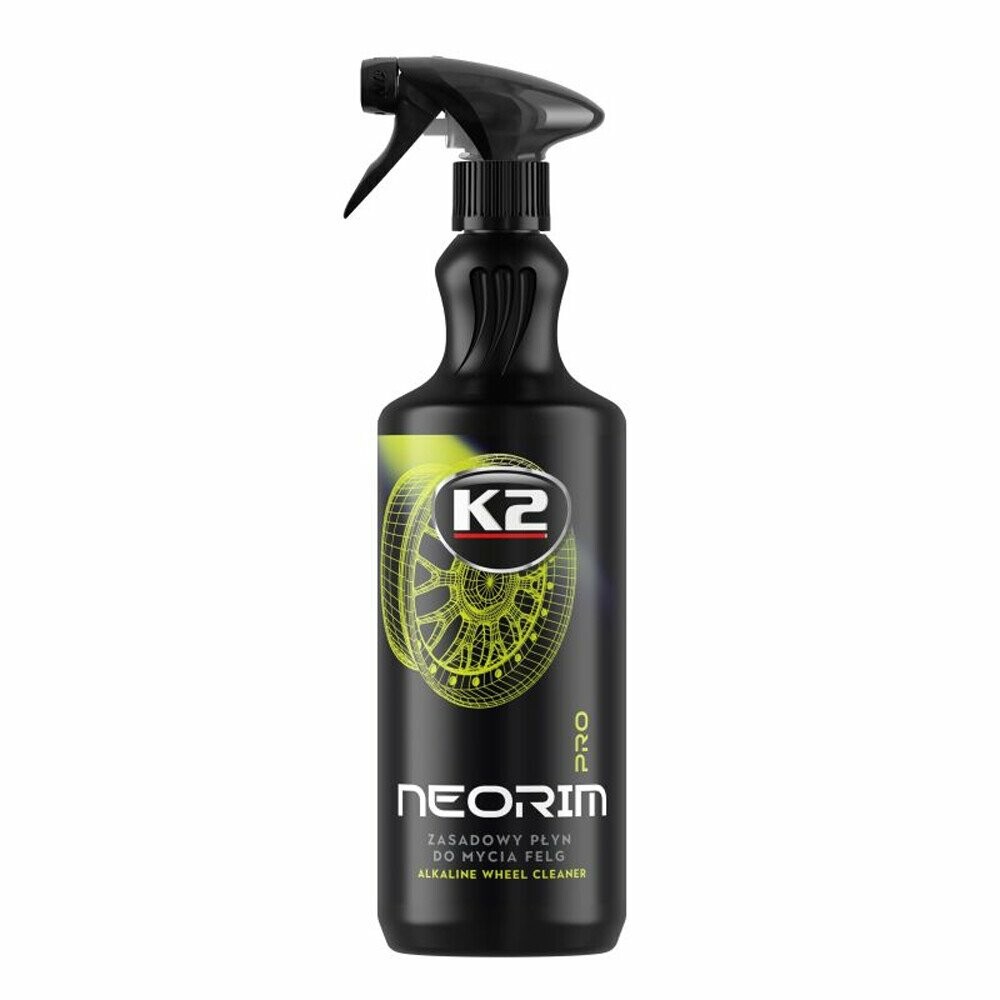
Plastic wheel covers can be cleaned with water, car shampoo, and a soft cloth or brush. If dirt has accumulated behind them, removing and cleaning them separately can be useful, provided that the fastening system allows this operation without damage.
During seasonal wheel changes, it is also worth checking the overall condition of the wheels: possible deformation, cracks, areas of rust, or damage to the finish. Any issue that could affect safety must be assessed before reinstallation.
Which Choice Is More Suitable for Your Budget?
If you already own a set of steel wheels and want to change their appearance with a limited investment, wheel covers represent a simple solution. They allow you to visually customize your vehicle and can be replaced relatively easily when damaged.
If you prefer a particular wheel design and are willing to allocate a larger budget, alloy wheels offer more possibilities in terms of shape, finish, and construction characteristics.
For use on difficult roads or in conditions where frequent cleaning is important, steel wheels without covers may be sufficient.
Ultimately, there is no universally suitable solution. The choice should be based on compatibility with your car, road conditions, maintenance costs, and the desired appearance. And if you want to change the appearance of your wheels without a major investment, you can explore the range of accessories available on Cridem.
Frequently Asked Questions (FAQ)
1. Are wheel covers suitable for winter use?
Yes, compatible and properly secured wheel covers can also be used during the cold season. They can limit the exposure of certain steel wheel surfaces to dirt, but they do not provide complete protection against water, salt, or corrosion. Regular cleaning remains important.
2. Can wheel covers be installed on alloy wheels?
Conventional full wheel covers are generally designed for steel wheels. Alloy wheels may use decorative center caps, but these must be compatible with the model and dimensions of the mounting recess.
3. How do I know what size wheel covers I need to buy?
Check the wheel diameter indicated in the tire marking. For example, with the size 205/55 R16, the R16 designation indicates a 16-inch wheel. The compatibility of the wheel cover's fastening system with the wheel must also be checked.
4. Do wheel covers protect wheels against curb impacts?
Wheel covers can absorb certain scratches and superficial contact, but they are not designed to structurally protect the wheel against impacts. A strong impact can damage both the cover and the metal wheel.
5. Are alloy wheels better than steel wheels for winter?
Not necessarily. Both can be used during winter if they are compatible with the vehicle and properly maintained. Steel wheels are often preferred for a seasonal set because of their cost, while alloy wheels offer more design and finish options.
6. Can I replace just one wheel cover if it gets damaged?
Yes, if the respective model is available individually and has the same fastening characteristics. For sets sold exclusively in packs of four, purchasing a new set may be necessary.
7. Do I need to remove the wheel covers every time I change tires?
It depends on the operation being performed and the construction of the covers. To access the wheel bolts or carry out certain service procedures, the covers must be removed. It is recommended to check the clips and retaining ring before reinstalling them.


