



















Prepare Your Car for the First Cold Mornings

Prepare Your Car for the Cold Season: The Battery, Emergency Starting and Equipment That Can Save You in Winter
Autumn brings increasingly colder mornings, shorter days and the first signs that your car needs to be prepared for the winter months. We usually think immediately of winter tyres, antifreeze or windscreen washer fluid suitable for low temperatures. However, there is one element that many drivers only check when problems arise: the car battery.
A battery that appeared to work without any problems during the summer may begin to show signs of weakness as temperatures drop. And the worst possible time to discover this is on a cold morning, when you're in a hurry to get to work, leave on holiday or set off on a long journey and the engine refuses to start.
Why Does the Cold Season Put Your Car Battery to the Test?
Low temperatures affect battery performance, while starting a cold engine may require more energy. At the same time, in late autumn and winter we use more electrical consumers: the headlights are on for longer, we use the heating, fan, rear window defroster and, depending on the car's equipment, heated seats or a heated windscreen.
Another very common habit adds to this: short journeys around town. If the car is started frequently but only travels a few kilometres, the battery may not always recover enough of the energy consumed during starting. Problems become more noticeable in the case of an older or already partially discharged battery.
Slower starting than usual, repeated difficulties with the first start of the day or a noticeable decrease in light intensity when starting can all be signs that it is worth checking the battery before freezing temperatures arrive.
Prevention Starts Before the First Morning with Sub-Zero Temperatures
If the battery is discharged or the car is rarely used, a battery charger can be one of the most useful solutions to have in your garage. Instead of waiting until the engine no longer starts, you can check and charge the battery in advance, following the instructions provided by the battery and equipment manufacturers.
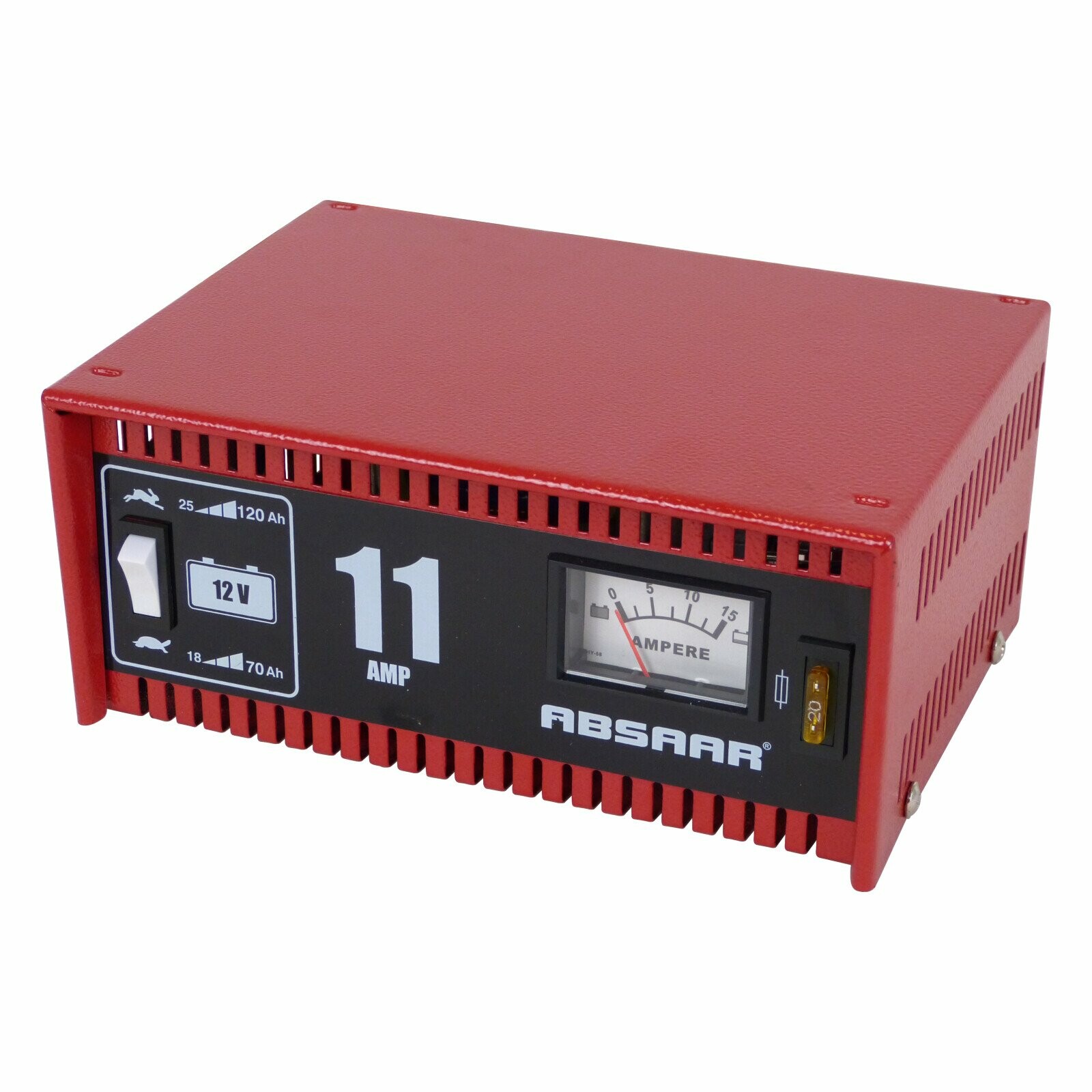
For such situations, an Absaar 11A – 12V Battery Charger can be used for compatible 12V batteries, while the Carpoint 8A – 6/12V Battery Charger offers compatibility with 6V and 12V systems.
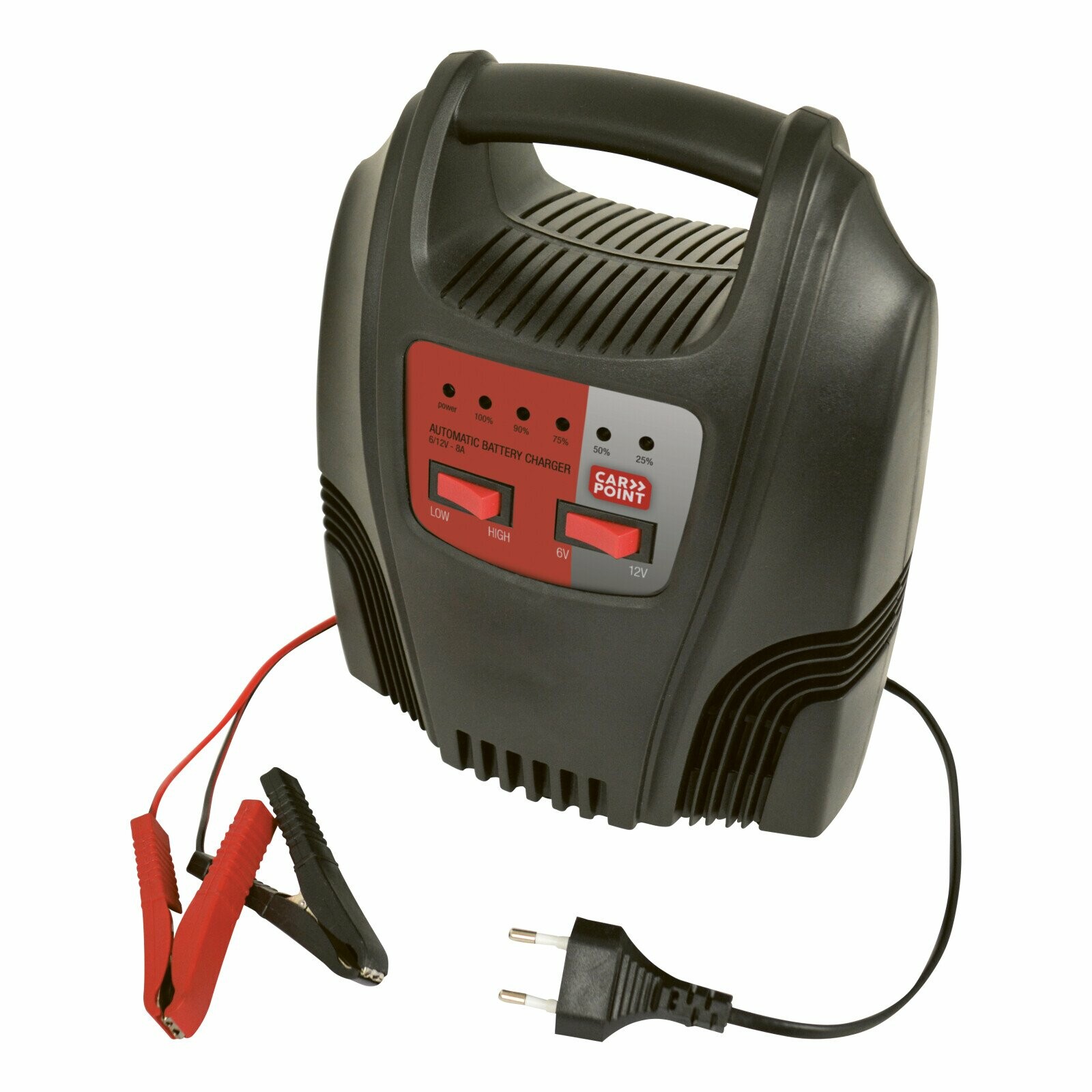
A battery charger is particularly useful for cars that remain parked for longer periods, vehicles that are used occasionally or cars that are predominantly driven on short journeys. It is important to choose the right equipment for your vehicle's battery and to follow the operating instructions.
Jump Starter: Help You Can Take with You
While a battery charger is primarily a solution for charging, a portable jump starter becomes extremely useful when the battery no longer has enough power to start the engine and you need to leave immediately.
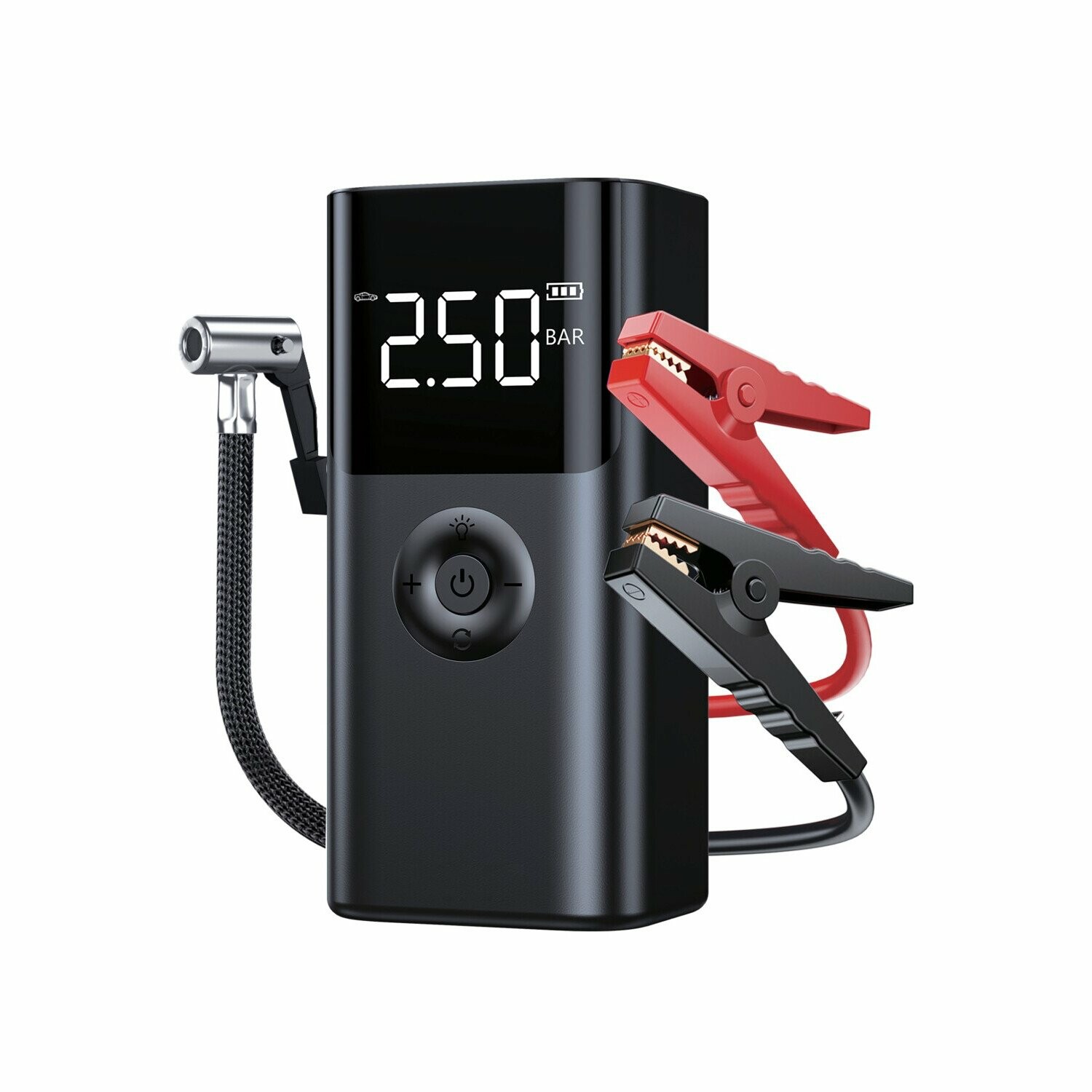
Its main advantage is independence. You no longer need to find another car, position it next to your vehicle and connect two batteries using jumper cables. A compatible and charged jump starter can be kept in the car and used when an unexpected situation arises, while following the manufacturer's instructions.
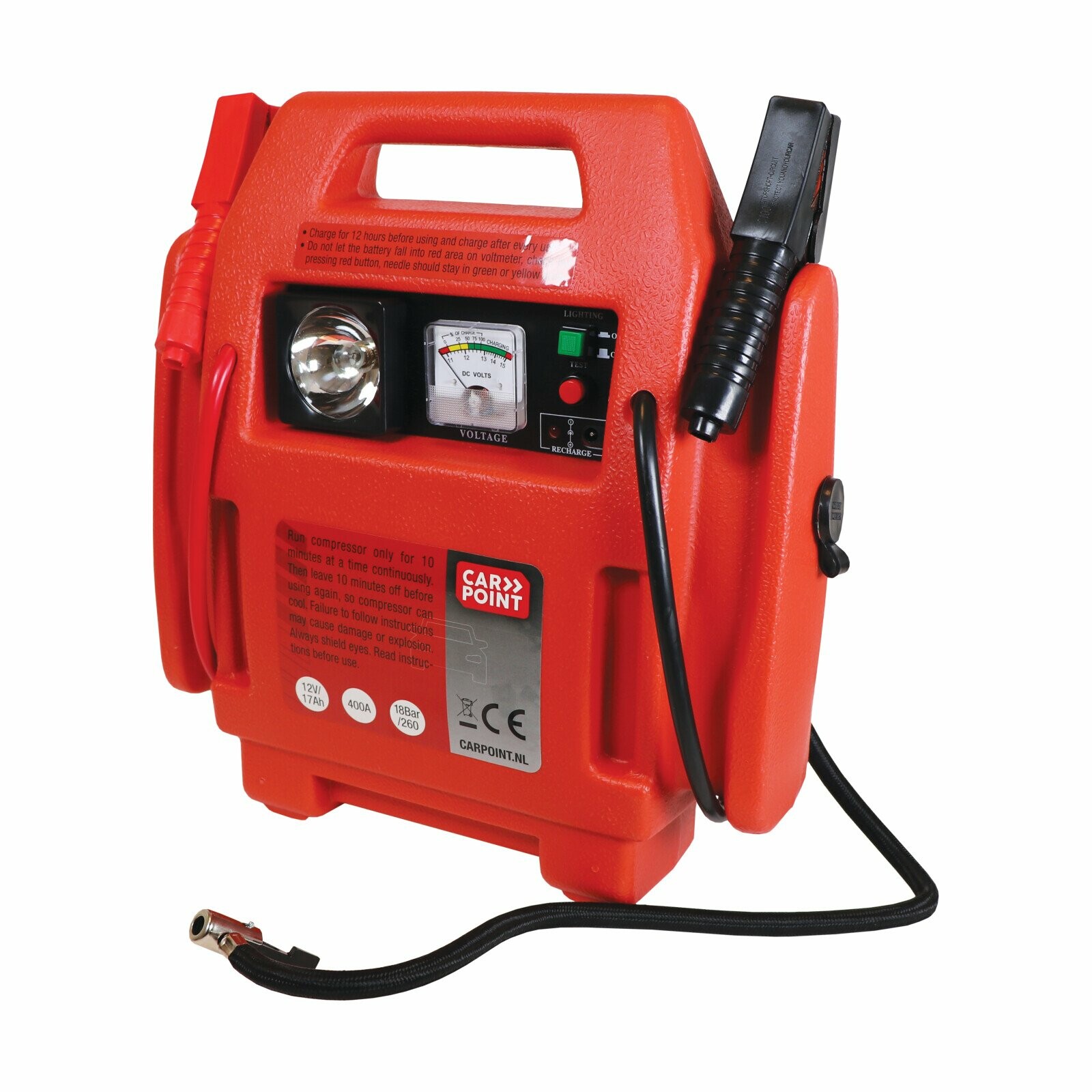
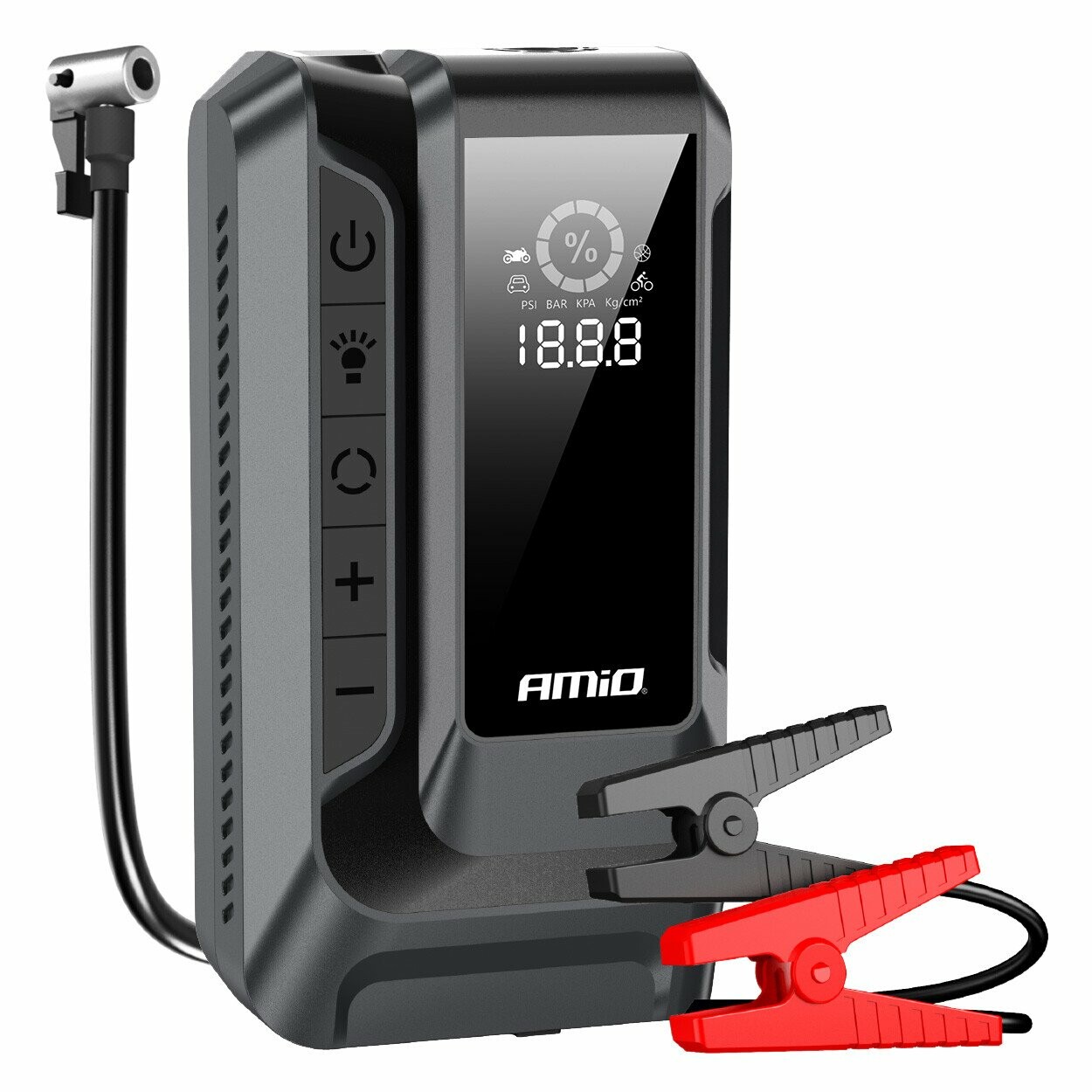
In the Cridem range, you can find options such as the Portable Jump Starter with LED or the Carpoint 12V Jump Starter with Compressor, as well as multifunctional solutions such as the Amio 3-in-1 Portable Jump Starter, 12V, 12Ah, 1600A, with LED and Power Bank and the Amio 4-in-1 Portable Jump Starter, 12V, 12Ah, 1600A, with LED, Compressor and Power Bank.
One Device Can Be Useful in Multiple Situations
The additional functions of a jump starter become even more useful during the cold season. An integrated LED can be extremely useful when a problem occurs in the evening, in a poorly lit car park or at the side of the road. Days are shorter in winter, so having your own light source can make a difference when you need to check the engine compartment.
The Power Bank function provides another useful backup when travelling, allowing you to power compatible devices when you need energy for your phone or other portable equipment.
A model also equipped with a compressor further extends the device's usefulness. Tyre pressure should be checked periodically, especially during periods with significant temperature fluctuations. A 4-in-1 jump starter can therefore combine emergency starting, lighting, device charging and tyre inflation solutions in a single piece of equipment.
Jumper Cables Remain a Simple and Effective Solution
Although portable jump starters provide greater independence, traditional jumper cables remain useful. A 300 cm, 12/24V, 1000A Jumper Cable can be a practical solution to keep in the car, while for situations where the vehicles cannot be positioned very close to one another, a Maxspeed 600 cm, 12/24V, 1500A Jumper Cable offers the advantage of greater length.
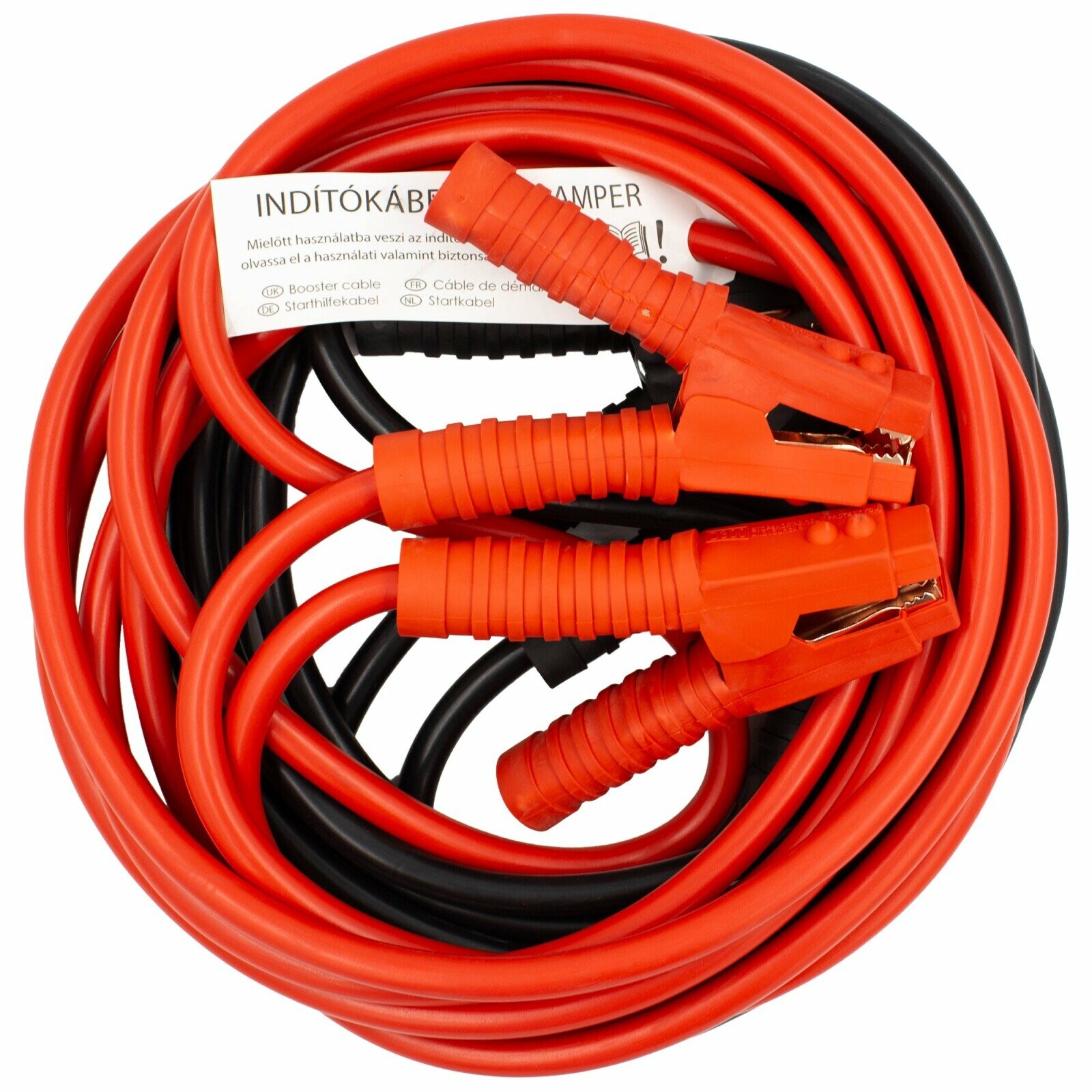
Unlike a portable jump starter, jumper cables require a suitable power source and must be connected correctly. It is therefore important to check both the product specifications and the recommended procedure for the vehicles involved.
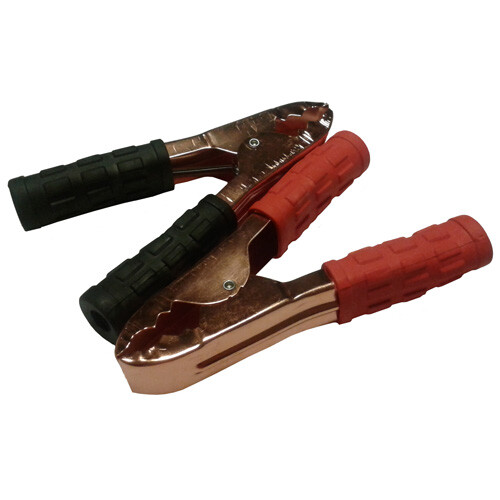
Before winter arrives, it is also worth checking the condition of the cables you already own. The insulation, connections and clamps should all be in good condition. For compatible cables that require replacement clamps, sets of 2 jumper cable clamps rated at 800A or 1000A are also available.
Battery Charger, Jump Starter or Jumper Cables: Which Should You Choose?
The three solutions are not mutually exclusive because they serve different purposes. A battery charger is suitable when you want to charge the battery and have access to a power source. A portable jump starter is intended for situations where you need a quick and independent solution for starting the vehicle. Jumper cables are a simple alternative but require access to another compatible power source.
If you want equipment that is as versatile as possible for travelling, a multifunctional jump starter with LED, Power Bank and compressor can reduce the number of separate devices you need to keep in the boot.
What Should You Keep in Your Car Before Winter Arrives?
Preparing for the cold season should not be left until the morning of the first snowfall. Check the battery, tyre pressure, antifreeze and windscreen washer fluid in advance and prepare the equipment that can help you in an unexpected situation. A jump starter or a set of jumper cables, a torch, gloves, an ice scraper and a portable compressor can turn an unpleasant problem into a situation that is much easier to manage.
If you choose a portable jump starter, remember that it should be checked and recharged periodically according to the manufacturer's instructions. A device that has been left in the car for months but is discharged exactly when you need it will not be of much help.
Correct use of any electrical equipment is equally important. Check the voltage and compatibility, observe the polarity and connection sequence specified by the manufacturer and do not use damaged cables, clamps or devices. If the battery repeatedly discharges, the problem should be investigated, as simply using external assistance to start the vehicle does not resolve the underlying cause.
Prepare Your Car Before the Cold Catches You by Surprise
A check carried out in autumn can prevent many inconveniences in the middle of winter. Whether you choose a battery charger for battery maintenance, a portable jump starter for emergencies or traditional jumper cables, the important thing is to have the right solution ready before the problem occurs.
Because winter doesn't begin with the first snowfall. For your car, preparation starts with the first cold mornings.
Frequently Asked Questions (FAQ)
1. Why Can My Car Be More Difficult to Start When Temperatures Drop?
Low temperatures can reduce the battery's available performance, while starting a cold engine places greater demands on the electrical system. A battery that appeared to work normally in summer may therefore begin to show signs of weakness on cold mornings.
2. What Is the Difference Between a Jump Starter and a Car Battery Charger?
A jump starter is designed to provide assistance when starting the engine if the battery can no longer supply sufficient power. A battery charger is used to charge the battery and is a suitable solution when you have access to a power source and do not need to start the car immediately.
3. Is It Better to Keep a Jump Starter or Jumper Cables in the Car?
It depends on the situation. A jump starter provides greater independence because it does not require another car for assistance. Jumper cables are a simple and practical solution but require a compatible power source.
4. How Do I Choose the Right Jump Starter for My Car?
Check the voltage of the electrical system, the jump starter specifications and the manufacturer's recommendations regarding compatible vehicles and engines. Do not choose a product based solely on its maximum starting current.
5. What Is a Jump Starter with a Compressor, LED and Power Bank Useful For?
In addition to its main starting-assistance function, the compressor can be used for tyres according to the device specifications, the LED provides illumination in emergency situations, and the Power Bank function can power or charge compatible devices. It is a practical solution, especially for travelling and during the cold season.
6. Do I Need to Periodically Recharge the Jump Starter If I Keep It in the Car?
Yes. The charge level should be checked periodically, and the device should be recharged according to the manufacturer's instructions. This reduces the risk of discovering that the jump starter is discharged exactly when you need it.
7. What Equipment Is Useful to Keep in the Car Before Winter Arrives?
In addition to mandatory equipment, it is useful to have a jump starter or jumper cables, a light source, gloves, an ice scraper and, depending on your needs, a portable compressor. Before the cold season, it is also recommended to check the battery, tyres, antifreeze and windscreen washer fluid.


